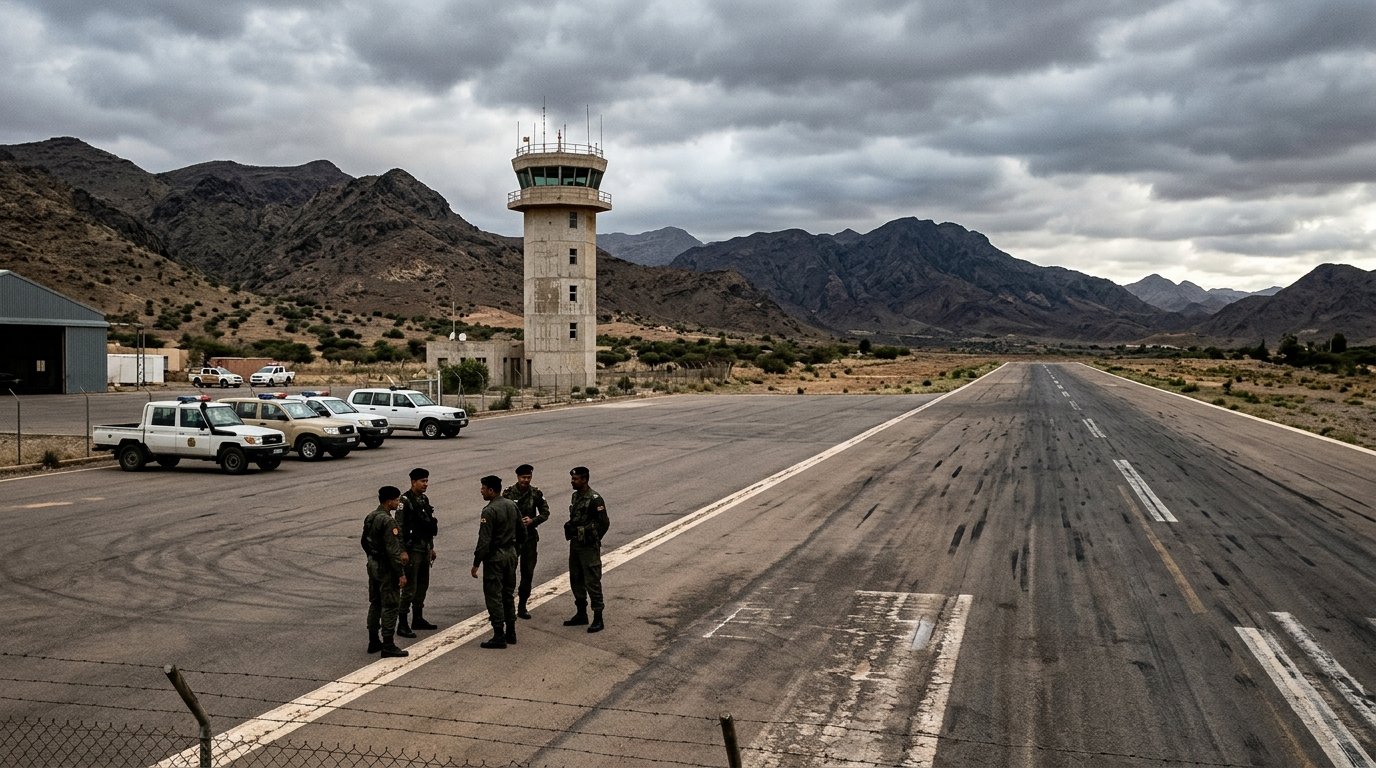

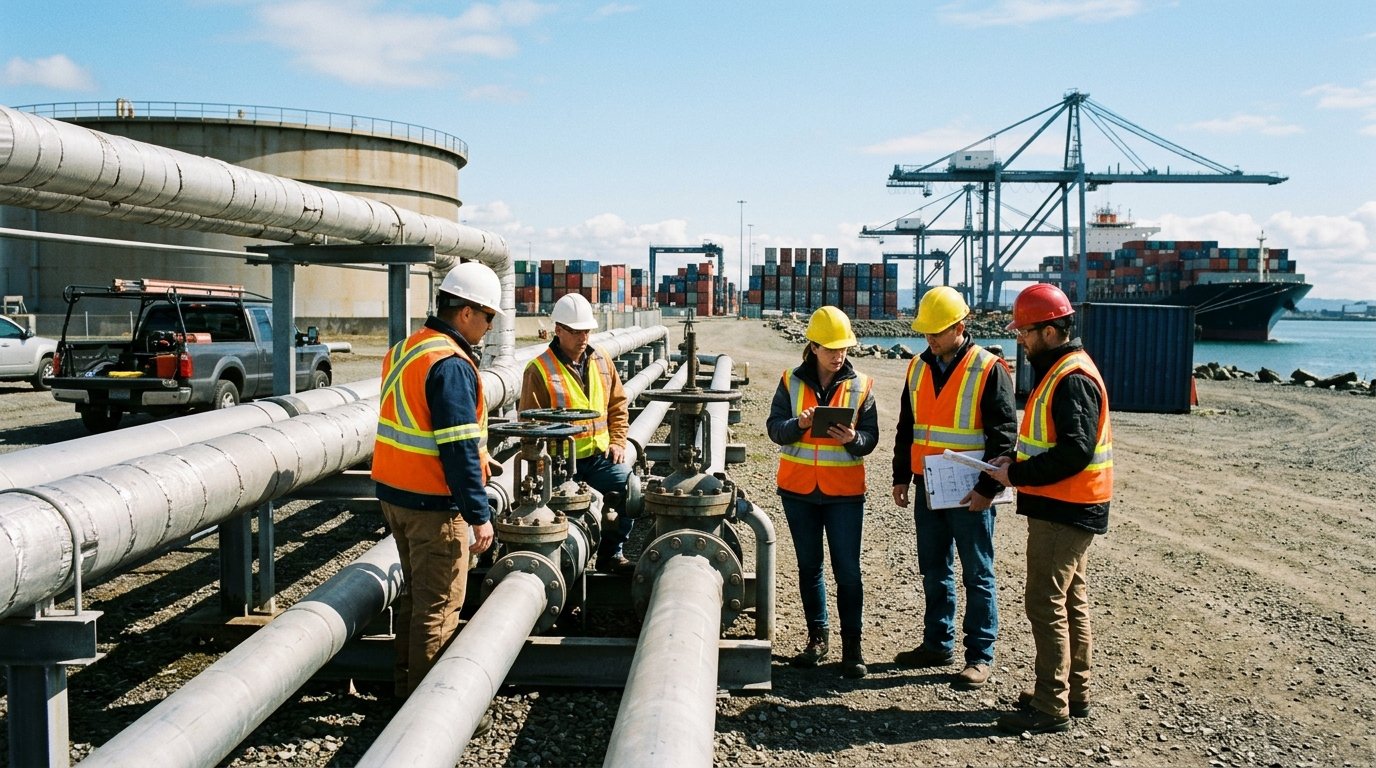
A 660 million dollar fuel pipeline project backed by Africa's richest man is set to connect Djibouti and Ethiopia. The major infrastructure link aims to transform regional fuel transport between the two Horn of Africa nations. BBC News reported that the cross-border conduit will reinforce energy stability across the region.
Key Takeaways
- Africa's richest man is helping fund a 660 million dollar cross-border pipeline.
- The project connects the coastal port of Djibouti directly to landlocked Ethiopia.
- Ethiopia gains stronger energy security through direct fuel transport infrastructure.
- Djibouti's maritime port secures fresh employment and expanded logistics activity.
What Does the $660M Fuel Pipeline Deal Deliver?
The 660 million dollar pipeline creates a dedicated fuel conduit running directly from coastal Djibouti into landlocked Ethiopia. By establishing fixed overland transport, the project replaces slower delivery methods with continuous supply. This capital investment addresses regional fuel shortages while expanding commercial capacity across both neighboring countries.
Landlocked nations face severe logistics hurdles when importing refined fuels from international tankers. Transporting energy across land borders requires dependable infrastructure that can withstand shifting regional demands and high volumes.
- Regional pipeline tracking: Monitor regional infrastructure announcements to evaluate cross-border energy logistics progress.
How Will Landlocked Ethiopia Secure Its Energy Supply?
Ethiopia strengthens its long-term energy security by securing direct, high-capacity fuel flows straight from Djibouti's coastal terminals. Because Ethiopia lacks a sea coast, reliable pipeline infrastructure ensures steady domestic fuel supplies for transport and industry. The direct connection eliminates supply interruptions caused by road transit bottlenecks.
Without direct sea access, an economy relies heavily on stable transit corridors through friendly neighboring ports. Building a dedicated pipeline creates a protected channel for daily fuel requirements, shielding factories and motorists from sudden transport disruptions.
- Supply risk management: Assess landlocked trade exposure by reviewing multi-country transport corridors and supply agreements.
Why Is Djibouti's Port Economy Expanding?
Djibouti's port expands operations by anchoring the starting point of the multi-million dollar regional fuel link. The facility generates new local jobs across maritime handling, pipeline maintenance, and terminal operations. This project reinforces Djibouti's position as the primary maritime trade hub for the broader Horn of Africa.
Port expansions create sustained technical employment beyond initial construction phases. Local workers gain steady positions in monitoring pipeline terminals, managing cargo transfers, and maintaining high-pressure fuel pumping equipment across coastal transfer stations.
- Port labor assessment: Track employment indicators at regional maritime hubs to identify long-term commercial logistics growth.
FAQ
Who is helping fund the cross-border pipeline project?
Africa's richest man is helping finance the 660 million dollar fuel pipeline connecting Djibouti and Ethiopia, according to reporting from BBC News. Private capital participation supports regional public energy goals.
How does Ethiopia benefit from the new fuel conduit?
Ethiopia gains dependable energy security for its domestic economy. As a landlocked country, establishing a permanent fuel conduit from coastal waters helps ensure consistent supplies for vehicles, power systems, and regional commerce.
What economic advantages come to Djibouti's port?
Djibouti's port secures direct job creation and expanded logistics traffic. Housing the maritime origin point of the pipeline generates steady employment across terminal maintenance, maritime unloading, and continuous fuel transfer management.
Cross-border infrastructure projects provide critical economic stability across developing regions. By linking strategic coastal ports to growing landlocked markets, the new pipeline marks a pivotal step toward durable energy cooperation in East Africa.
Stay informed with accurate, up-to-date global news coverage.
Sources
- Africa's richest man helps fund $660m fuel pipeline between Ethiopia and Djibouti (BBC News): https://www.bbc.co.uk/news/articles/c6z9z7lv41wgo?at_medium=RSS&at_campaign=rss