

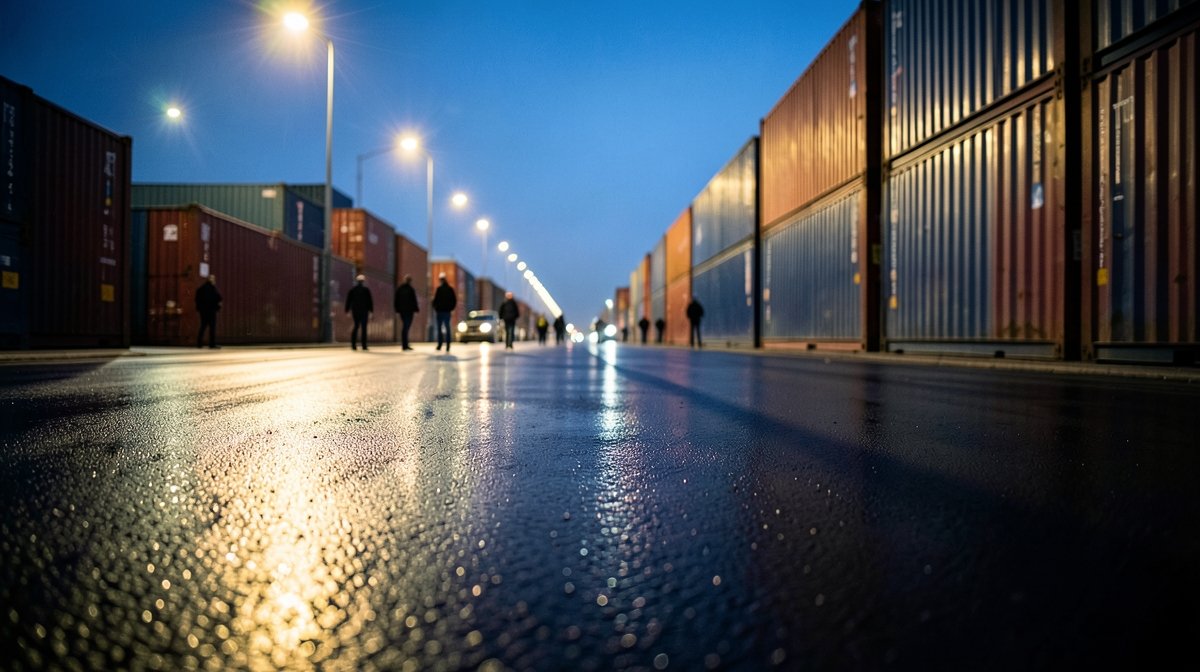
Retaliatory trade measures targeting twenty billion dollars worth of American products have taken effect in Canada. The counter-tariffs mark a direct escalation in cross-border tensions, threatening the stability of the largest bilateral trading relationship in the world. As commercial friction intensifies between the two neighbouring economies, both exporters and consumers face immediate supply disruptions.
Key Takeaways
- Canada enacted counter-tariffs covering twenty billion dollars of American goods.
- Cross-border frictions threaten the largest bilateral trading corridor globally.
- United States leadership threatened to block American sales of Canadian Bombardier jets.
- Supply chains across both North American economies face heightened cost pressures.
How Do the New Canadian Tariffs Impact Cross-Border Commerce?
Canadian counter-tariffs targeting twenty billion dollars in American imports immediately increase border duties and disrupt established supply chains. By levying these fees on United States goods, Ottawa directly penalizes American exporters who rely heavily on northern buyers. In our experience, such retaliatory measures trigger immediate price increases and administrative logjams at major border ports.
The scope of these measures directly challenges the stability of the world's largest bilateral trading partnership, as reported by BBC News. When tariff schedules change overnight, logistics freight handlers must update customs documentation, reclassify product categories, and calculate revised duty payments. If cross-border clearance slows down, how can manufacturers maintain lean factory schedules?
Cross-border commerce depends on synchronized industrial output. A duty on finished components increases overhead costs for domestic assembly lines, which subsequently passes higher retail prices down to everyday shoppers.
- Review customs declarations: Audit all cross-border product classifications today to identify goods subject to the new twenty billion dollar tariff schedule.
Why Is the Aviation Sector Facing Direct Retaliation?
The cross-border commercial dispute has quickly expanded beyond standard consumer goods to hit high-value manufacturing, specifically aerospace production. Following the Canadian duty enforcement, political threats emerged from Donald Trump to block sales of Canadian Bombardier jets inside the United States market, targeting one of Canada's most prominent industrial manufacturers.
Targeting high-value aviation assets demonstrates how fast regional disputes spread across interconnected industrial sectors. As reported by BBC News, threats against Bombardier directly target a core pillar of Canadian manufacturing revenue. When regional trade disputes target jet contracts, airlines face delayed fleet modernizations and unpredictable operational planning.
Such targeted industrial restrictions disrupt long-term aerospace supply commitments. Aircraft manufacturers rely on multi-year delivery contracts, which suffer instantly when sudden political restrictions prevent cross-border deliveries.
- Track aerospace procurement: Review fleet supply agreements to prepare contingency options if cross-border aircraft deliveries face regulatory bans.
What Are the Broader Risks for the North American Economy?
The implementation of these counter-tariffs exposes both economies to prolonged commercial friction and higher business operating costs. When bilateral trading systems encounter retaliatory barriers, commercial partners re-evaluate cross-border investment projects, delay hiring plans, and reroute cargo shipments through alternative regional suppliers to avoid paying increased customs fees.
The world's largest bilateral trade relationship thrives on friction-free border movement and predictable duty rules. Counter-tariffs on twenty billion dollars of United States goods create friction that ripples across border communities, wholesale distributors, and retail shelves. When companies face persistent import penalties, corporate planners scale back expansion budgets to protect cash reserves.
Protracted tariff wars historically force businesses to absorb smaller profit margins or shift production networks entirely, creating prolonged economic friction for both nations.
- Diversify component sourcing: Identify domestic or alternative international suppliers to hedge against ongoing bilateral tariff escalation.
FAQ
What is the total value of goods affected by Canada's counter-tariffs?
The counter-tariffs apply directly to twenty billion dollars worth of American products, according to reporting by BBC News. These retaliatory measures hit a wide selection of goods imported from the United States, raising border costs across the world's largest bilateral trading relationship.
Which major Canadian company was singled out for US trade threats?
Bombardier, one of Canada's largest industrial manufacturing companies, was specifically targeted. Donald Trump threatened to halt the sale of Canadian Bombardier jets inside the United States market as the trade conflict between the two neighbouring nations continued to escalate.
How does this trade dispute affect everyday businesses in North America?
Everyday businesses face increased import costs, unexpected customs processing delays, and potential supply shortages. Companies that rely on cross-border logistics must manage higher duty expenses, which typically lead to increased operating costs and higher prices for end consumers.
Cross-border commerce between Canada and the United States now faces an extended test of industrial resilience as trade restrictions take hold. Commercial enterprises operating along the northern border must maintain flexible inventory strategies while monitoring further tariff announcements.
Stay informed with accurate, up-to-date global news coverage.
Sources
- Canada braces for prolonged trade war as counter-tariffs on US take effect (BBC News): https://www.bbc.co.uk/news/articles/c8jdev0422jo?at_medium=RSS&at_campaign=rss