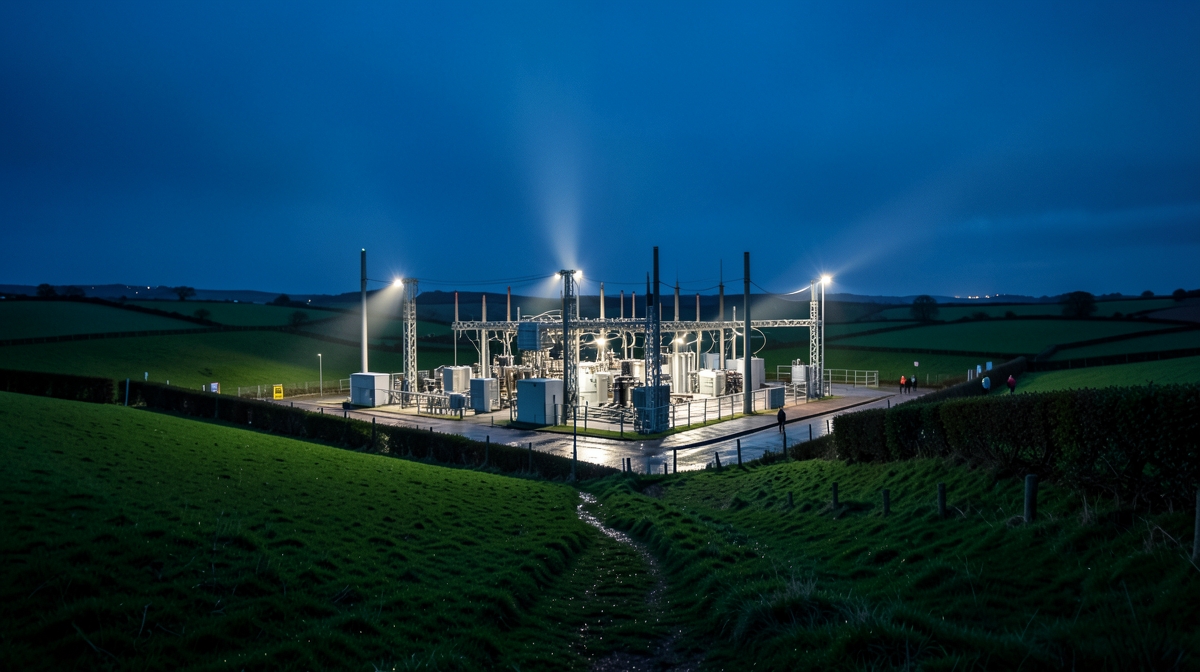
A proposal to construct one of Europe's largest computational facilities in Devon has triggered direct pushback from local communities. The New York Times reported on October 20, 2026, that residents have mobilized against the site because of mounting environmental worries. This clash shows how digital infrastructure demands now collide directly with rural conservation priorities.
Key Takeaways
- Developers proposed building one of Europe's largest artificial intelligence data centers in rural Devon.
- Regional residents organized direct opposition citing severe environmental disruption and local resource strain.
- Expanding computational infrastructure creates intense conflicts with countryside conservation and grid capacity across Britain.
Why are Devon residents opposing the facility?
Devon residents object to the development because massive computing installations consume immense electrical volumes and demand continuous cooling water. Processing clusters generate persistent thermal output and acoustic hum, which can alter rural habitats. Rural infrastructure cannot absorb such intensive operational loads without disrupting local tranquility and draining utility supplies.
When operators place server complexes in pastoral districts, the mechanical footprint transforms undisturbed ground into industrial utility sites. Heavy power draw pulls electrical supply away from standard community needs. We've found that these utility stresses rapidly turn surrounding neighborhoods against corporate expansion plans.
- Track council filings: Inspect regional planning boards weekly to spot commercial utility applications before municipal zoning approvals become final.
What environmental mechanisms cause community alarm?
Large data facilities require continuous electrical feed to power dense processor racks and heavy refrigeration machinery. Running thousands of parallel calculation units creates intense heat, demanding uninterrupted chiller circulation and large cooling towers. That concentrated resource consumption strains freshwater basins, generates localized heat plumes, and strains regional utility networks.
Diverting millions of liters of local water into cooling evaporators depletes regional aquifers and river flows. Substation construction brings high-voltage transmission lines through quiet countryside, fragmenting undisturbed land. You can't expect rural communities to accept heavy industrial conversion when corporate facilities threaten their basic local resources.
- Monitor water extraction: Review municipal extraction permits to detect industrial water rights allocations in vulnerable rural river catchments.
How will computational expansion reshape regional planning?
Tech developers choose rural acreage because open parcels offer lower land acquisition costs than congested metropolitan suburbs. However, this migration forces regional planning boards to weigh commercial technology investment against conservation mandates. Local councils now face intense legal challenges as communities demand stricter protections for open green space.
Local resistance in Devon illustrates a growing pattern where infrastructure expansion meets organized citizen defense. Developers must either prove absolute net-zero environmental disruption or face years of regulatory appeals. If planners prioritize commercial data complexes over community land security, public pushback will stall future tech investments.
- Join public consultations: Submit written comments during statutory planning notice windows to enforce local habitat preservation standards.
FAQ
Why did developers select Devon for a data center?
Developers favor Devon because rural regions provide large continuous tracts of land at lower prices than major urban centres. Open land simplifies construction for sprawling facilities. However, these rural locations rarely possess the dedicated power substations or cooling water pipelines needed for sustained high-density processing.
What environmental issues worry Devon residents the most?
Residents primarily fear excessive energy consumption, heavy water diversion for cooling equipment, and industrial noise. Massive processor clusters run day and night, producing continuous acoustic vibration and exhaust heat. In our experience, people fear this utility load will irreversibly degrade rural ecosystems and strain community reserves.
How can communities contest similar technology projects?
Citizens can contest projects by reviewing planning portal submissions, attending statutory planning meetings, and forming community groups. Lodging formal objections against zoning changes forces municipal authorities to conduct environmental impact reviews. Engaging early in the consultation cycle prevents commercial developers from securing uncontested planning permits.
Balancing regional technological capacity with environmental protection will remain a defining policy challenge across European regions. As computing demands multiply, municipal planners must direct large computational assets away from fragile countryside ecosystems and toward brownfield industrial corridors.
Stay informed with accurate, up-to-date global news coverage.
Sources
- The A.I. Data Center Backlash Has Reached a Quiet Corner of Rural England (NYT > World News): https://www.nytimes.com/2026/10/20/world/europe/ai-datacenter-devon-uk-backlash.html