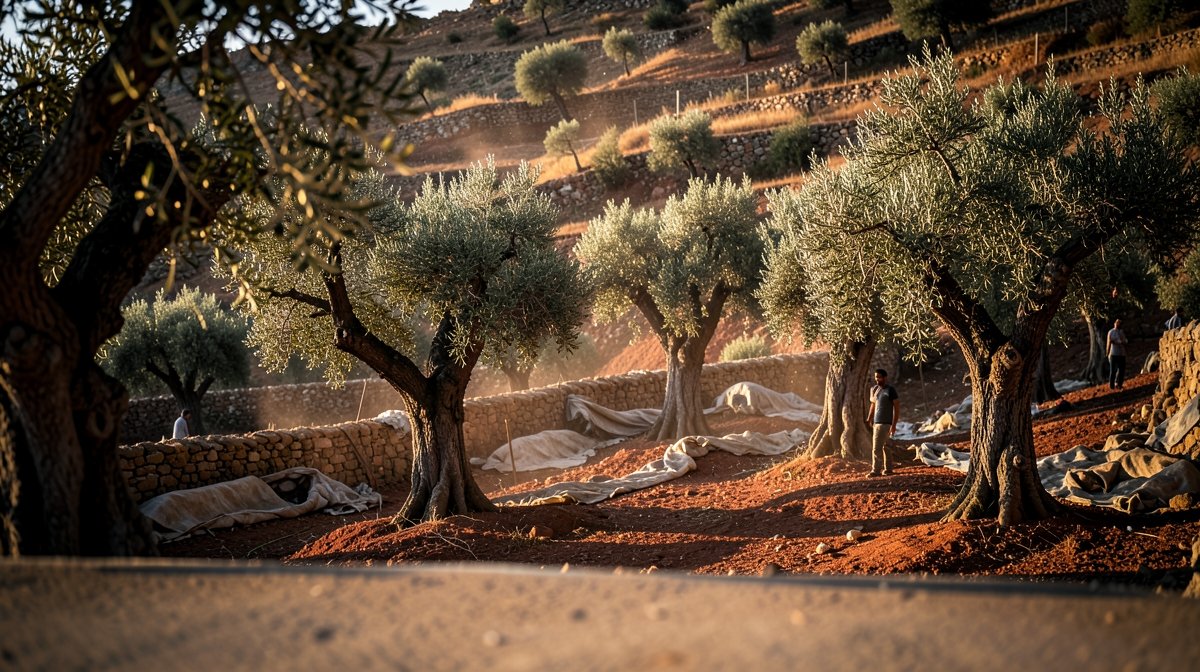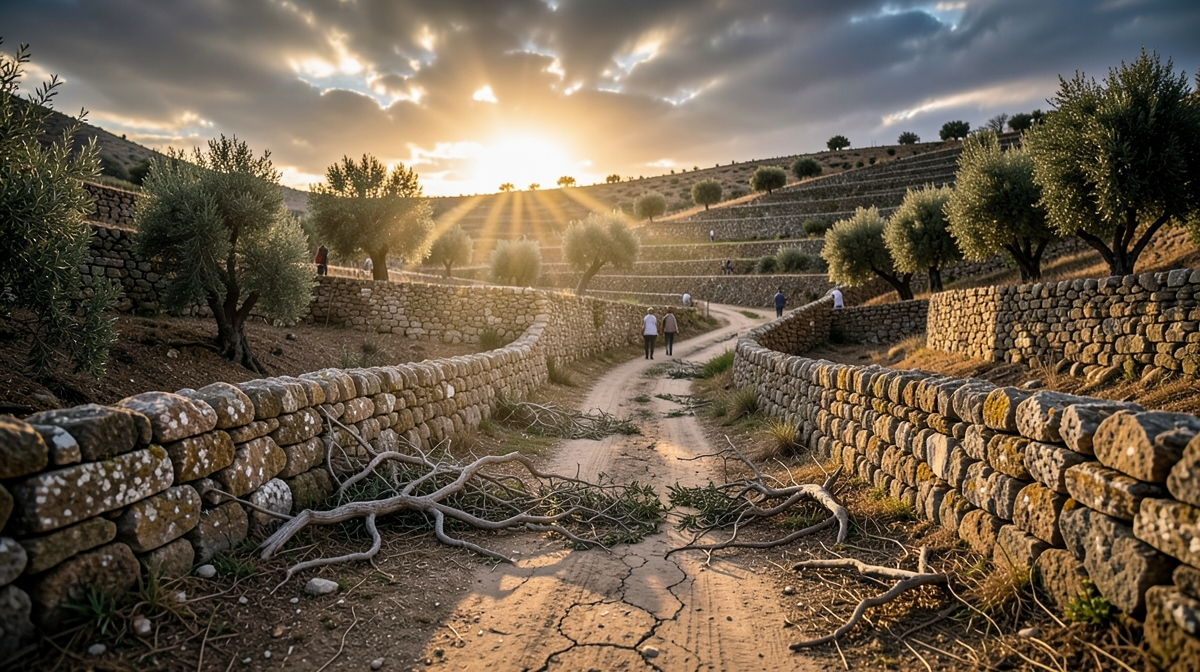
Witnesses confirmed that Israeli extremists assaulted Palestinian residents and smashed a European diplomatic vehicle's window during the annual olive harvest. According to reports from BBC News and The New York Times, the confrontation marks a severe escalation in territorial friction. While international personnel regularly observe the harvest to discourage intimidation, this incident exposed direct physical hostility against foreign delegations.
Key Takeaways
- Extremists assaulted local Palestinians and smashed a European diplomatic car window in the West Bank.
- The Israeli military condemned the violent acts directly following the incident.
- The Israeli prime minister's office dismissed reports by calling them a smear campaign.
- Foreign missions face heightened physical risks while monitoring agricultural activities.
What Happened During the West Bank Olive Harvest?
A diplomatic delegation encountered violent extremist settlers while monitoring agricultural work in the West Bank. Settlers attacked Palestinian residents and broke a vehicle window belonging to the European officials, according to coverage by The New York Times. The annual olive harvest often creates severe localized tension between farming communities and nearby settlements.
Diplomats routinely maintain a physical presence across contested rural groves to discourage confrontations. In our experience, observers assume diplomatic plates offer standard deterrence against hostile groups. When physical attacks target clearly identified international vehicles, diplomatic protocols fail to ensure basic physical safety. How can international observers fulfill monitoring duties under active physical assault?
- Monitor convoy alerts: Check security reports from regional consulates before traveling near rural harvest zones.
Why Did Israeli Official Reactions Diverge?
The Israeli military condemned the violence against residents and diplomats, while the prime minister's office characterized the reports as part of an organized smear campaign. This institutional disagreement highlights conflicting political pressures inside the government, as reported by BBC News. The public contradiction complicates accountability and leaves diplomatic partners with mixed official assurances.
Military officers prioritize operational order across territorial sectors to prevent wider civil unrest. In contrast, political leadership often defends settler constituencies by dismissing external allegations as coordinated political attacks. This division leaves local security forces without a unified mandate when confronted with violent extremist actions.
- Track policy statements: Compare military incident logs against political communiques to identify real enforcement priorities.
What Does the Incident Mean for Foreign Missions?
Foreign missions must rethink how they deploy staff into sensitive rural territories during seasonal agricultural operations. Smashing a diplomatic car window shows that extremist groups no longer treat international status as an obstacle. Embassies now face operational dilemmas between protecting local communities through visibility and exposing their own personnel to direct physical danger.
We've found that missions often rely on informal de-escalation rather than armed escorts. Without reliable enforcement from host authorities, foreign delegations may need to suspend field observations or coordinate directly with territorial commanders. If embassies pull back their observers, rural farming communities lose critical external oversight during harvest seasons.
- Review security protocols: Update emergency extraction plans for non-combatant observer teams visiting high-friction rural districts.
FAQ
What was the damage reported from the attack?
According to witness statements reported by The New York Times, attackers assaulted Palestinian residents and smashed a window on a European diplomatic vehicle. Observers noted that the incident occurred as settler aggression surged in the West Bank during the regional olive harvest season.
How did Israeli authorities respond to the confrontation?
The response split between military and political branches, according to BBC News. The Israeli military issued a formal condemnation of the violence. Meanwhile, the prime minister's office rejected the reporting, describing the public accounts as components of an intentional smear campaign against the state.
Why were European officials present in the area?
European officials routinely visit rural agricultural areas to observe seasonal Palestinian farming, particularly the olive harvest. International diplomats believe their visibility helps document friction, deter extremist harassment, and show diplomatic solidarity with local communities operating in sensitive territorial locations.
Diplomatic safety now depends on clear accountability from state authorities on the ground. When international observers face physical assaults during routine field visits, foreign ministries must demand concrete protective measures rather than political deflections.
Stay informed with accurate, up-to-date global news coverage.
Sources
- Israeli Settlers Attack Palestinians and European Officials in West Bank (NYT > World News): https://www.nytimes.com/2026/10/17/world/middleeast/israeli-settlers-attack-palestinians-diplomats-west-bank.html