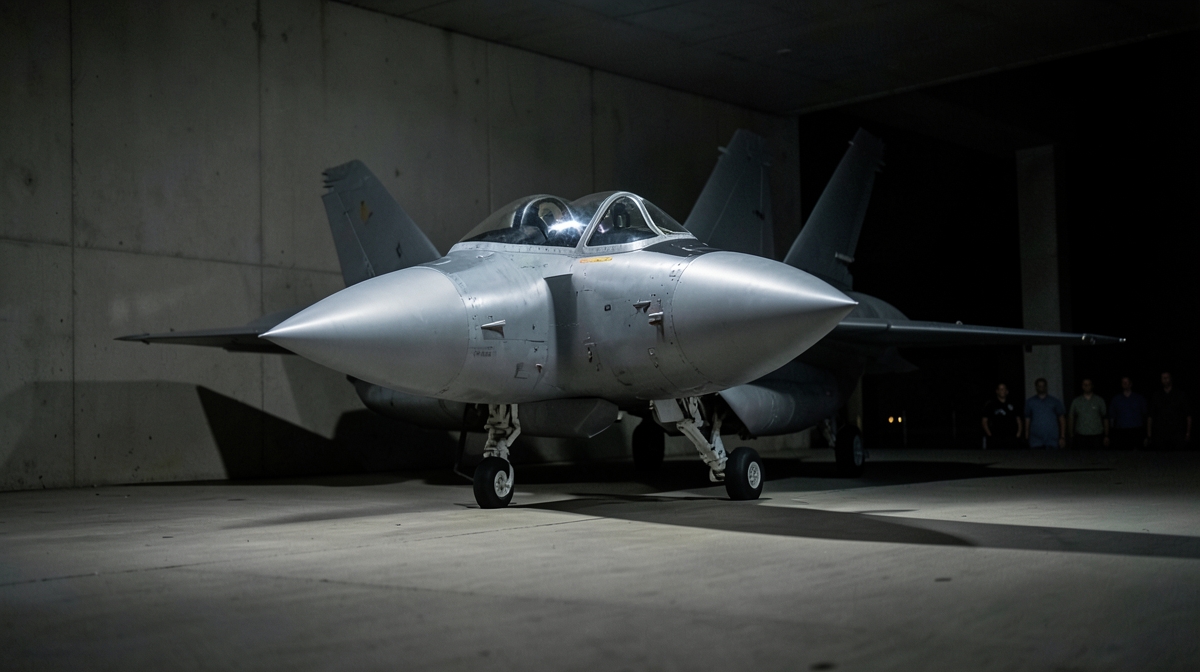
Ukrainian air defenses face an evolving threat as Russian forces introduce jet-powered drones into daily strikes. The New York Times reported on October 19, 2026, that Ukraine now scrambles multimillion-dollar F-16 fighter jets to intercept these fast targets. While the aircraft provide vital interception speed, using high-end fighters against robotic attackers exposes severe tactical and economic challenges.
Key Takeaways
- Ukraine now uses F-16 fighters to track and shoot down jet-powered Russian drones.
- The New York Times reported the shift highlights Moscow's reliance on faster unmanned aerial systems.
- Multimillion-dollar fighters offer crucial flexibility but represent an expensive mismatch against cheaper automated targets.
- Air defense teams must constantly balance frontline fighter patrols with ground battery preservation.
Why Is Ukraine Scrambling Fighter Jets Against Aerial Drones?
Ukraine deploys F-16 fighters because Russia's latest jet-powered drones fly too fast for conventional mobile ground units. Fighter jets provide the speed and radar reach needed to track, intercept, and shoot down these rapid airborne targets before they strike critical national infrastructure.
When slow propeller drones filled the skies, ground teams with truck-mounted cannons could often track them visually and destroy them cheaply. In our experience analyzing air defense doctrine, jet propulsion eliminates that margin of error. Fighters bridge the gap by covering wide territories quickly, moving wherever tracking radar detects incoming waves.
- Track defense updates: Follow defense ministry briefings to monitor how frontline fighter deployments adapt against new incoming aerial threats.
What Makes High-Value Aircraft an Imperfect Countermeasure?
Using multimillion-dollar F-16s against drones is an imperfect fix because it pits finite, high-maintenance aircraft against mass-produced robotic weapons. Every interception risks airframe wear and consumes valuable flight hours, forcing military commanders to trade pilot safety and strategic assets for small tactical victories.
Cost asymmetry drives this problem. A jet fighter requires specialized maintenance, scarce spare parts, and intensive inspections after high-speed sorties. When you commit complex aircraft to hunt inexpensive drones, you risk exhausting your fleet faster than the adversary runs out of targets. That pressure strains logistics crews and diverts planes from broader combat missions.
- Audit operational wear: Track military flight maintenance cycles to understand how intensive patrol demands degrade airframe readiness over long campaigns.
How Does Drone Speed Reshape Air Defense Tactics?
Jet-powered propulsion drastically compresses detection windows, leaving ground forces with mere seconds to aim and fire. By utilizing the altitude and onboard sensors of an F-16, pilots acquire incoming drones from greater distances, giving defense networks enough reaction time to eliminate the threat before impact.
Speed alters the math of territorial defense. Stationary ground batteries cannot sit on every perimeter without stretching resources past the breaking point. We've found that airborne fighters act as mobile response units, vectoring across regional sectors to plug coverage holes. Yet reliance on air patrols demands precise radar coordination between ground controllers and cockpits.
- Monitor airspace coordination: Review open defense procurement reports to see how militaries integrate mobile fighter patrols alongside stationary missile networks.
FAQ
Why are jet drones harder to intercept than older models?
Jet drones move at substantially higher velocities than piston-engine predecessors, cutting interception windows for ground crews. Their speed makes visual targeting with machine guns nearly impossible. Defending forces must rely on supersonic fighters or expensive missile radar locks to engage them safely before they reach targets.
How expensive is it to scramble fighter aircraft for drones?
Scrambling an F-16 incurs thousands of dollars in fuel, specialized ordnance, and airframe maintenance for every operational hour. The New York Times emphasized that deploying multimillion-dollar aircraft against expendable drones creates a steep financial imbalance, even when the interception succeeds in protecting ground targets.
Can fighter patrols replace ground-based missile systems?
No, fighters complement ground defenses rather than replacing them entirely. Aircraft provide flexible patrol speed across broad sectors, but they cannot stay airborne indefinitely. Surface-to-air missile systems remain essential for defending fixed critical infrastructure while fighters intercept incoming targets over open corridors.
Ukraine's operational use of F-16s against jet-powered drones underscores the difficult tactical calculations of modern warfare. As uncrewed systems gain speed and reach, commanders must balance high-end aviation assets against attritional robotic attacks. The evolution of this aerial duel will shape how militaries configure their air defense doctrines for years to come.
Stay informed with accurate, up-to-date global news coverage.
Sources
- Ukraine Uses F-16s to Shoot Down Russia’s Jet-Powered Drones (NYT > World News): https://www.nytimes.com/2026/10/19/world/europe/ukraine-f16-fighter-jets-drones-russia.html