Three ballistic missiles slammed into a military training camp in Yemen's Shabwa province, killing at least 50 security recruits. Local authorities confirmed the casualties following the sudden barrage deep inside territory controlled by the internationally recognised government. The assault marks one of the deadliest single incidents reported in the renewed conflict.
Key Takeaways
- Three ballistic missiles struck a government military training base in Shabwa province.
- Local officials confirmed at least 50 security recruits died in the strike.
- The New York Times reported the attack hit deep within government-held central territory.
- Regional security observers treat the incident as a major escalation in the conflict.
What Happened During the Shabwa Military Camp Attack?
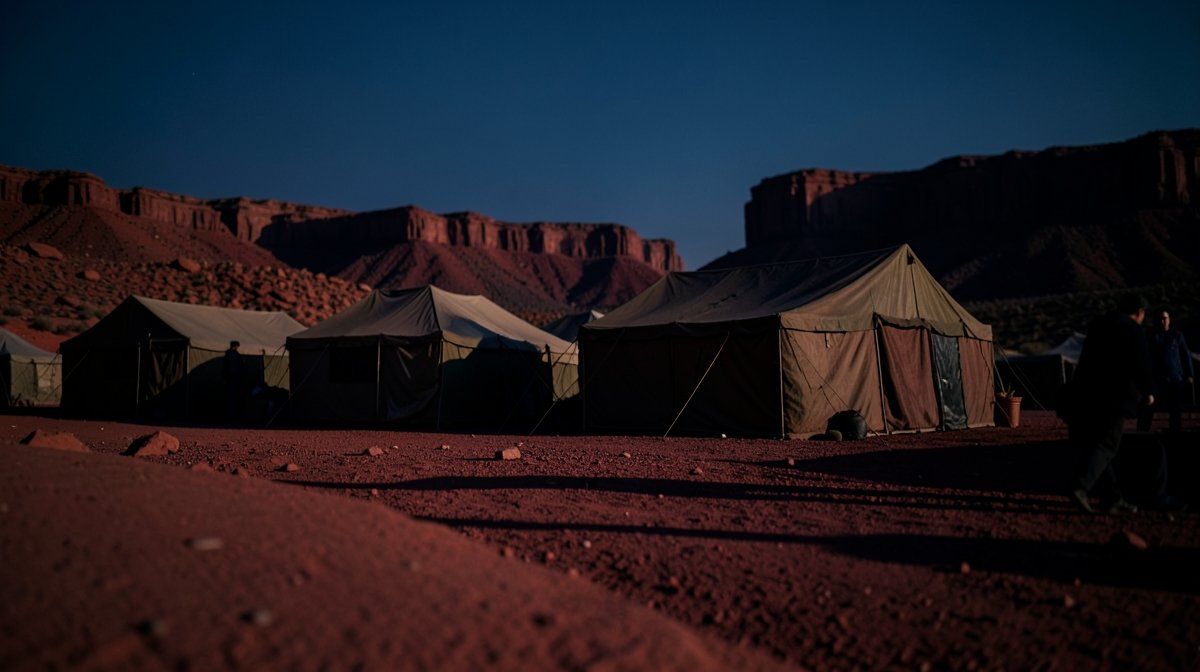
Local authorities reported that three ballistic missiles struck a desert facility used to instruct newly enlisted security personnel in Shabwa province. The coordinated strike killed 50 recruits on site, turning an active assembly into a disaster zone within seconds as the ordnance impacted the open grounds.
BBC News confirmed through local officials that the target served as an active preparation centre for security forces. Ballistic weapons generate catastrophic blast pressure across open desert compounds because field tents offer zero splinter protection. When warheads strike an unfortified parade ground, personnel suffer immediate trauma from supersonic shockwaves.
- Vulnerability assessments: review remote field encampment spacing to minimise blast exposure during sudden bombardments.
Why Did the Ballistic Missiles Reach Central Yemen?
The Iranian-backed militia fired their ballistic weapons deep into government-held territory to demonstrate extended strike capability beyond active frontlines. By hitting Shabwa province in central Yemen, the attackers proved that rear supply corridors and secondary training bases remain entirely within operational range of their heavy missile units.
The New York Times described this bombardment as one of the deadliest strikes of the renewed war. Militias use high-trajectory missiles because long-range arcs bypass forward ground fortifications. Reaching central desert sectors allows missile crews to disrupt military recruitment pipelines long before fresh units reach active defensive sectors.
- Threat range mapping: track long-range projectile vectors to reposition vital assembly points outside known weapon envelopes.
How Does This Attack Reshape the Regional Conflict?
This lethal strike disrupts government training schedules and forces defensive commanders to disperse valuable personnel across smaller, decentralised desert camps. Concentrating dozens of recruits in fixed locations now creates unacceptable operational risk when hostile forces possess verified targeting data and guided ballistic missile arsenals.
Heavy casualty counts alter military planning across government-controlled zones. When three missiles can neutralise 50 recruits at once, military leaders must reallocate mobile air defence assets away from coastal hubs toward inland bases. We've seen how sudden standoff attacks force command structures to abandon predictable routines to survive.
- Defensive dispersion: split military gatherings into smaller tactical units to limit mass casualties from single impacts.
FAQ
How many casualties occurred in the Shabwa province strike?
Local authorities confirmed that 50 security recruits died when the missiles struck their training facility, according to BBC News reporting. The sudden three-missile impact caused widespread devastation throughout the desert camp, marking the event as one of the most lethal strikes recorded during this phase of fighting.
Who carried out the missile barrage against the camp?
The New York Times identified the Iranian-backed Houthi militia as the force responsible for launching the ballistic missiles. The group deployed multiple guided projectiles deep into central Yemeni territory, striking an established government-run training facility situated far behind the conventional frontline combat outposts.
What type of facility did the missiles strike?
Officials confirmed to BBC News that the missiles hit an active desert military installation in Shabwa province. Government commanders used the desert camp specifically to assemble, organise, and drill new security recruits before deploying them into defensive positions across the region.
Long-range ballistic strikes continue to redefine tactical risks across the Arabian Peninsula. As desert training centres face accurate standoff weapons, defensive forces must adapt their assembly methods to prevent catastrophic losses. Tracking missile movements remains vital as the conflict enters a volatile new phase.
Stay informed with accurate, up-to-date global news coverage.
Sources
- Houthi missile strike on Yemen camp kills 50 security recruits, local authorities say (BBC News): https://www.bbc.co.uk/news/articles/cv0ld6lrr2zeo?at_medium=RSS&at_campaign=rss