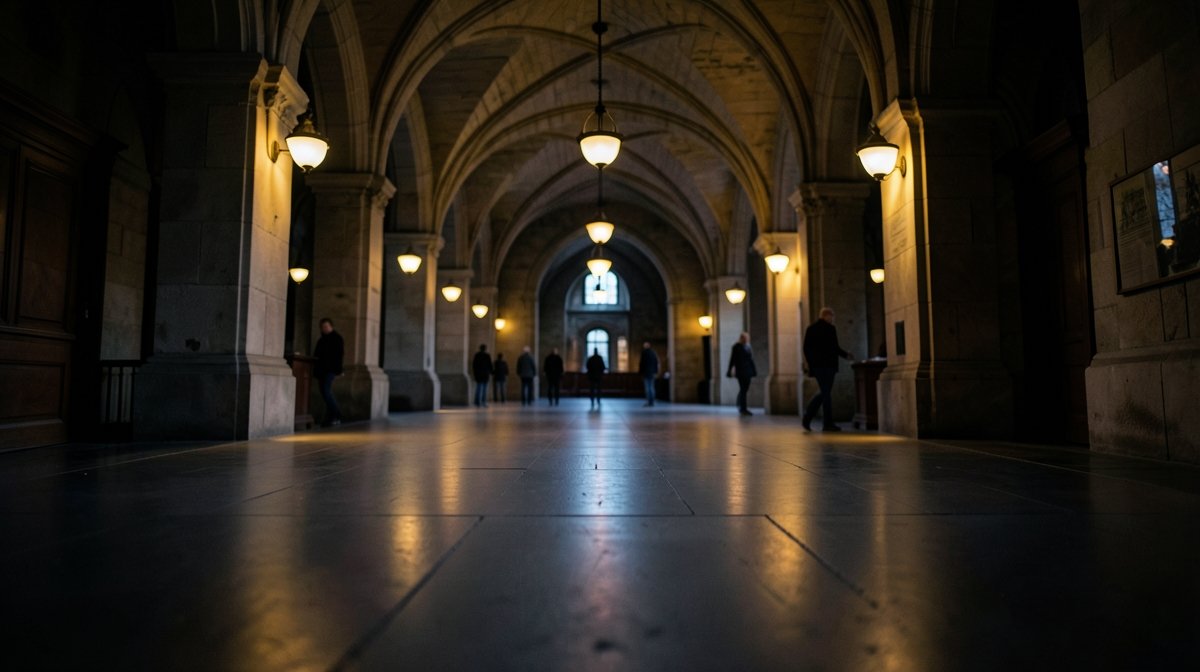

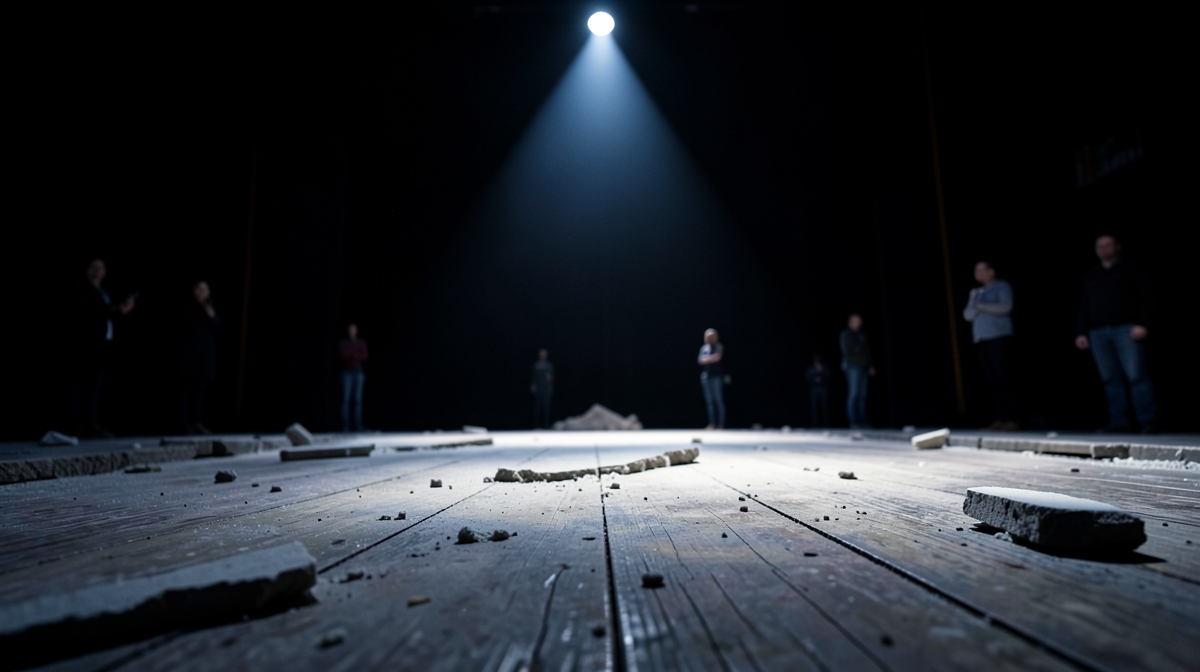
Hundreds of civilians died when bombs struck the drama theater in Mariupol, yet a Russian documentary now attempts to assign blame for the destruction to Ukrainian forces. The New York Times reported on October 12, 2026, that the film actively challenges established accounts of the deadly assault. We examine how state media campaigns contest verified wartime events.
Key Takeaways
- A Russian film claims Ukraine attacked the Mariupol theater.
- Hundreds of civilians died during the original strike.
- The project attempts to rewrite documented war records.
- Independent reporting continues to challenge state narratives.
What Does the Russian Documentary Claim About Mariupol?
The documentary claims that Ukrainian forces carried out the attack on the Mariupol drama theater rather than Russian aircraft. This narrative contradicts international reporting and witness accounts from the tragedy. By shifting responsibility away from Moscow, the production attempts to cast doubt on widely accepted evidence concerning the strike that killed hundreds of sheltering civilians.
State media projects use cinematic formats to reshape public perception long after battlefield events occur. When filmmakers present contested claims through sympathetic interviews and emotional editing, they create alternative accounts for sympathetic audiences. We've seen how quickly such productions circulate across digital channels to muddy factual records.
- Scrutinize official narratives: Check film assertions against verified reports from international observers before sharing clips.
Why Is the Narrative Around the Drama Theater Contested?
The drama theater in Mariupol represents one of the war's deadliest incidents, where hundreds of civilians lost their lives inside a designated shelter. Because the strike drew immediate global condemnation, official Russian sources continue pushing counterclaims. Controlling historical memory helps authorities deflect accountability in diplomatic forums and domestic broadcasts.
How do governments justify revising established war records years later? Disinformation campaigns exploit the passage of time to introduce uncertainty into documented atrocities. By repeating alternative theories across television programs and streaming networks, state outlets gradually build competing archives aimed at exhausting public certainty.
- Track historical records: Archive original news reporting and human rights filings to preserve factual timelines against revisionism.
How Can Observers Evaluate Wartime Documentary Claims?
Observers can verify wartime documentary claims by cross-referencing film statements with contemporary news investigations and forensic analyses of the strike site. The New York Times and international monitors documented the Mariupol strike when it occurred, establishing baseline facts. Comparing documentary claims against early photographic evidence exposes where narratives deliberately diverge.
In our experience, propaganda efforts rely on omitting key physical evidence that contradicts their preferred storyline. When a documentary ignores flight patterns, munitions data, and initial shelter registrations, it reveals political motivation rather than journalistic inquiry. You protect your understanding by insisting on multi-source confirmation.
- Cross-check media sources: Compare documentary storylines against primary source reporting from independent news outlets.
FAQ
What happened at the drama theater in Mariupol?
Hundreds of civilians died when the drama theater in Mariupol was bombed while serving as an active air raid shelter. The incident became an enduring symbol of civilian suffering during the siege of the city, drawing international condemnation and extensive coverage from independent news organizations worldwide.
What does the Russian documentary allege about the bombing?
The Russian documentary alleges that Ukrainian forces attacked the theater themselves, directly contradicting independent investigations that attributed the strike to Russian aviation. The film presents selected accounts to craft an alternate version of events that relieves Russian military forces of responsibility for the civilian deaths.
Who reported on the release of this documentary?
The New York Times reported on the documentary on October 12, 2026, highlighting the film's effort to rewrite the historical narrative surrounding the attack. The reporting drew attention to how state-aligned media uses documentary filmmaking to contest established wartime facts.
Efforts to rewrite historical records highlight the persistent battle over public memory in international conflicts. Documenting civilian casualties with rigorous reporting remains the most reliable defense against political revisionism. Stay informed with accurate, up-to-date global news coverage.
Sources
- Russian Film Aims to Rewrite History of Deadly Theater Bombing in Ukraine (NYT > World News): https://www.nytimes.com/2026/10/12/world/europe/mariupol-theater-russian-documentary-witnesses.html