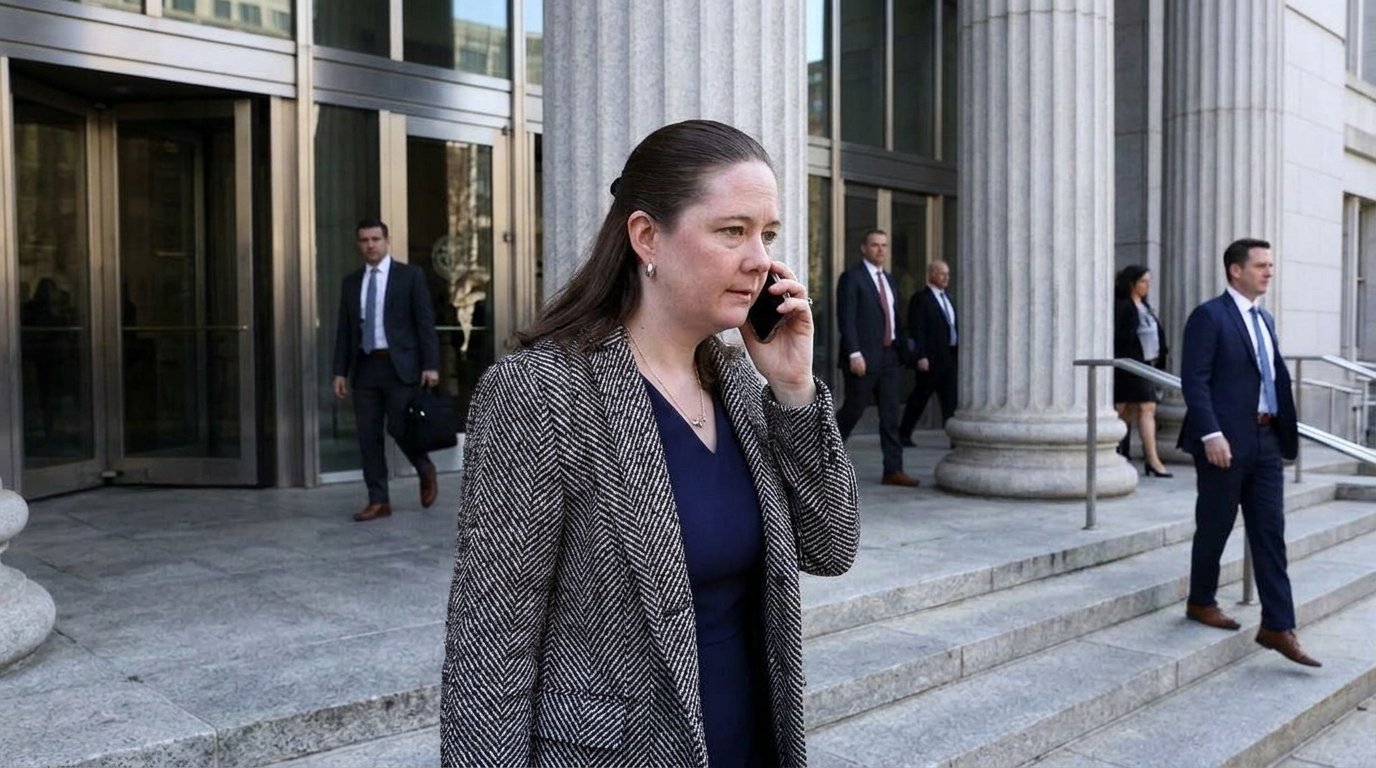
Brazil's Supreme Court ordered federal police to seize the passports of Flávio Bolsonaro as part of an expanding money laundering inquiry. The judicial order directly targets the politician following his defeat in the presidential election. We've seen similar judicial interventions alter political careers overnight, and this ruling immediately restricts his ability to leave the country.
Key Takeaways
- Brazil's Supreme Court directed law enforcement to confiscate Flávio Bolsonaro's passports immediately.
- The judicial measure connects directly to an active investigation into alleged money laundering.
- The order follows Bolsonaro's recent electoral defeat, restricting his international travel while proceedings continue.
What Did the Court Require Law Enforcement to Do?
Brazil's Supreme Court instructed federal officers to confiscate Flávio Bolsonaro's travel documents as investigators examine financial transactions tied to money laundering. The New York Times reported the directive, confirming police received formal instructions to take the passports into official custody so the former presidential contender remains within national jurisdiction.
Judicial authorities use this mechanism to prevent flight risk during sensitive inquiries. When investigators examine financial records, cross-border movements often complicate asset tracing. Do international travel bans protect evidence? In our experience, confiscating passports guarantees that targets remain available for mandatory depositions while judicial officers review banking documents and relevant records.
- Monitor court dockets: Check official judicial announcements weekly to verify whether authorities file formal charges or lift travel restrictions.
Why Do Judges Seize Travel Documents in Financial Inquiries?
Judges mandate passport surrender when inquiries reveal potential flight risks or attempts to move financial assets abroad. Under standard judicial practice, court magistrates order police to impound passports so targets cannot relocate before investigators complete forensic audits. The procedure ensures accountability while law enforcement reviews suspicious records without cross-border interference.
Financial inquiries demand steady access to the individuals under review. Without official travel papers, a public figure cannot board commercial flights or cross international checkpoints legally. Police departments enforce these mandates swiftly because sudden departures can freeze investigations for years. We've found that travel curbs frequently accelerate negotiations between defense attorneys and prosecutors.
- Track legal precedents: Follow regional legal bulletins to observe how senior magistrates treat travel restrictions across related political inquiries.
What Happens Next for Flávio Bolsonaro and the Police?
Federal police will take physical possession of Bolsonaro's passports while judicial magistrates analyze evidence gathered during the money laundering investigation. The Supreme Court will decide whether to maintain the restriction based on recommendations from investigators. This enforcement phase determines if prosecutors gather sufficient documentation to initiate a formal trial.
Losing an election strips a candidate of executive momentum, leaving them exposed to legal scrutiny. While defense counsel can file appeals to recover confiscated documents, courts rarely reverse surrender orders without substantial proof of travel necessity. Would appellate courts return passports during ongoing financial probes? In our experience, judges keep restrictions intact until investigators finalize forensic balance sheets.
- Review regulatory notices: Read judicial press releases each month to detect any motion seeking the return of personal travel documents.
FAQ
Why did Brazil's Supreme Court seize Flávio Bolsonaro's passports?
The Supreme Court ordered federal police to seize his passports because of his links to an ongoing money laundering inquiry. The New York Times reported that the order followed his loss in the presidential election, keeping him inside the country while investigators evaluate financial records.
Can Flávio Bolsonaro leave Brazil without his passports?
No, he cannot legally exit Brazilian territory without valid passports. Commercial airlines and international border checkpoints require authorized travel documents, meaning law enforcement will block any attempted departure until the Supreme Court lifts its order. The mandate keeps the politician fully available for scheduled judicial hearings.
How does losing the presidential election affect this inquiry?
His defeat in the presidential election leaves him without executive shielding, allowing the Supreme Court and federal police to act without delay. Investigators can pursue money laundering questions directly, and the court uses travel bans to ensure targets face judicial procedures without exiting the country.
Political fortunes change quickly, but court orders demand strict compliance regardless of past standing. We've seen how judicial oversight reshapes political careers across Latin America, and this inquiry will test the institutional independence of Brazil's top legal authorities in the coming months. Stay informed with accurate, up-to-date global news coverage.
Sources
- Brazil Supreme Court Orders Flávio Bolsonaro to Hand Over Passports in Money Laundering Inquiry (NYT > World News): https://www.nytimes.com/2026/10/26/world/americas/flavio-bolsonaro-passport-brazil.html