At least three people died in recent strikes that hit an airport and an oil field in Saudi Arabia. Following this fatal escalation by Houthi forces, the United States ordered some of its diplomats to depart the country immediately. Official security alerts now urge personnel across the region to reassess their physical safety.
Key Takeaways
- Washington ordered select diplomats to evacuate Saudi Arabia after fatal Houthi strikes escalated security risks.
- Recent strikes hit both an airport and an oil field, killing at least three people.
- Rising cross-border fire creates immediate operational hazards for civil aviation, energy operations, and international staff.
Why Did the US Order Diplomats to Leave Saudi Arabia?
The United States ordered some diplomats to depart Saudi Arabia because escalating cross-border Houthi strikes directly threaten government facilities and personnel. When aerial strikes hit critical transport and industrial hubs, diplomatic compounds face heightened vulnerability. As BBC News reported, Washington issued the departure directive right after strikes claimed at least three lives.
Security officials reduce diplomatic footprints to lower casualties when defensive systems fail to intercept incoming salvos. Pulling non-essential staff out helps embassies manage emergency response operations with smaller, highly protected core teams. Regional facilities face severe limitations when hostile fire penetrates vital infrastructure. In our experience, reducing personnel numbers remains the standard protective response during active military escalations.
- Embassy security review: Check official consular travel warnings daily and verify personal evacuation protocols if you operate in the region.
How Do Escalating Houthi Attacks Threaten Regional Infrastructure?
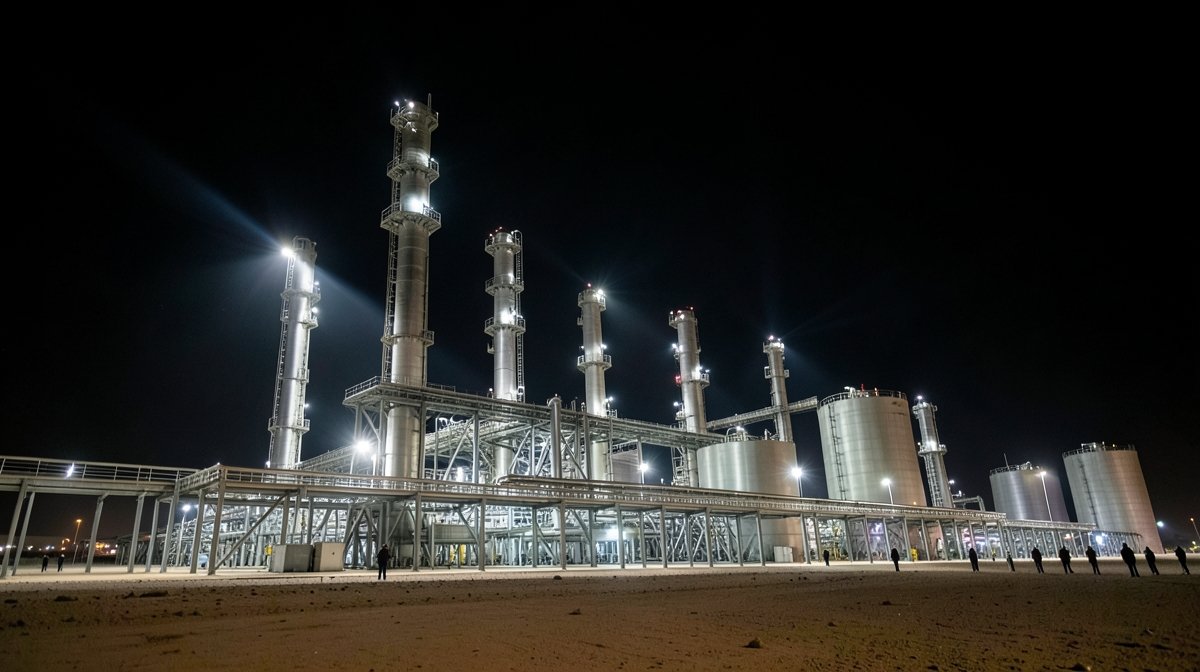
Houthi strikes threaten regional infrastructure by turning civilian transit points and commercial energy hubs into direct targets. The latest strikes hit an airport and an oil field, demonstrating that offensive barrages can breach perimeter defenses at sensitive facilities. BBC News confirmed that at least three people died during these coordinated strikes.
Attacking an airport paralyzes civilian flight paths and forces commercial airlines to divert routes or suspend operations. When offensive weapons strike an oil field, the resulting fires and structural damage disrupt production and endanger specialized workers on site. Each hit exposes physical vulnerabilities across distribution networks, triggering costly delays and driving regional security costs sharply higher for energy operators.
- Supply route contingency: Map alternate transit corridors and establish backup communication channels to bypass vulnerable airports and industrial hubs.
What Steps Should Foreign Personnel and Travelers Take Now?
Foreign personnel and travelers should immediately review departure options, avoid high-profile transit hubs, and register with their respective home embassies. The fatal strikes on an airport and an oil field prove that danger extends beyond military targets into public zones. Taking prompt defensive action reduces personal exposure before flight schedules face wider disruptions.
Organizations operating in the Arabian Peninsula need to verify emergency shelter protocols and stock essential supplies for remaining staff. Distributed teams require immediate clarity on safety routines during sudden barrages. We've found that prearranged crisis playbooks keep workers focused and safe. Personnel should monitor local advisories closely, secure travel documents, and prepare contingency departure routes in advance.
- Travel risk audit: Register all current itineraries with your national embassy and identify emergency shelters near your lodging.
FAQ
Why are US diplomats leaving Saudi Arabia now?
The United States ordered some diplomats to depart because Houthi attacks have escalated, posing a severe threat to diplomatic personnel. As BBC News reported, this official warning followed fatal strikes that hit an airport and an oil field, leaving at least three people dead and intensifying regional safety concerns.
Which facilities suffered damage in the latest strikes?
The latest strikes hit an airport and an oil field within Saudi Arabia. These hits resulted in at least three fatalities, according to BBC News reporting. Targeting aviation and fuel infrastructure demonstrates that hostile barrages now endanger vital civilian transport networks alongside critical energy supply facilities across the area.
How should international travelers respond to the security warning?
International travelers should monitor embassy security alerts, reconsider non-essential travel to affected zones, and verify emergency exit arrangements. Because strikes recently hit an airport, travelers face potential route cancellations and sudden delays. You should keep emergency documentation accessible and stay in constant contact with your employer or consulate.
Regional security conditions remain volatile as cross-border strikes continue to test defensive systems around vital infrastructure. Diplomatic departures show how rapidly local risks can escalate into international emergencies. Governments and private operators will watch border activity closely over the coming weeks to decide whether further evacuation orders become necessary.
Stay informed with accurate, up-to-date global news coverage.
Sources
- US orders some diplomats to leave Saudi Arabia as Houthi attacks escalate (BBC News): https://www.bbc.co.uk/news/articles/c6x2vpk93770o?at_medium=RSS&at_campaign=rss