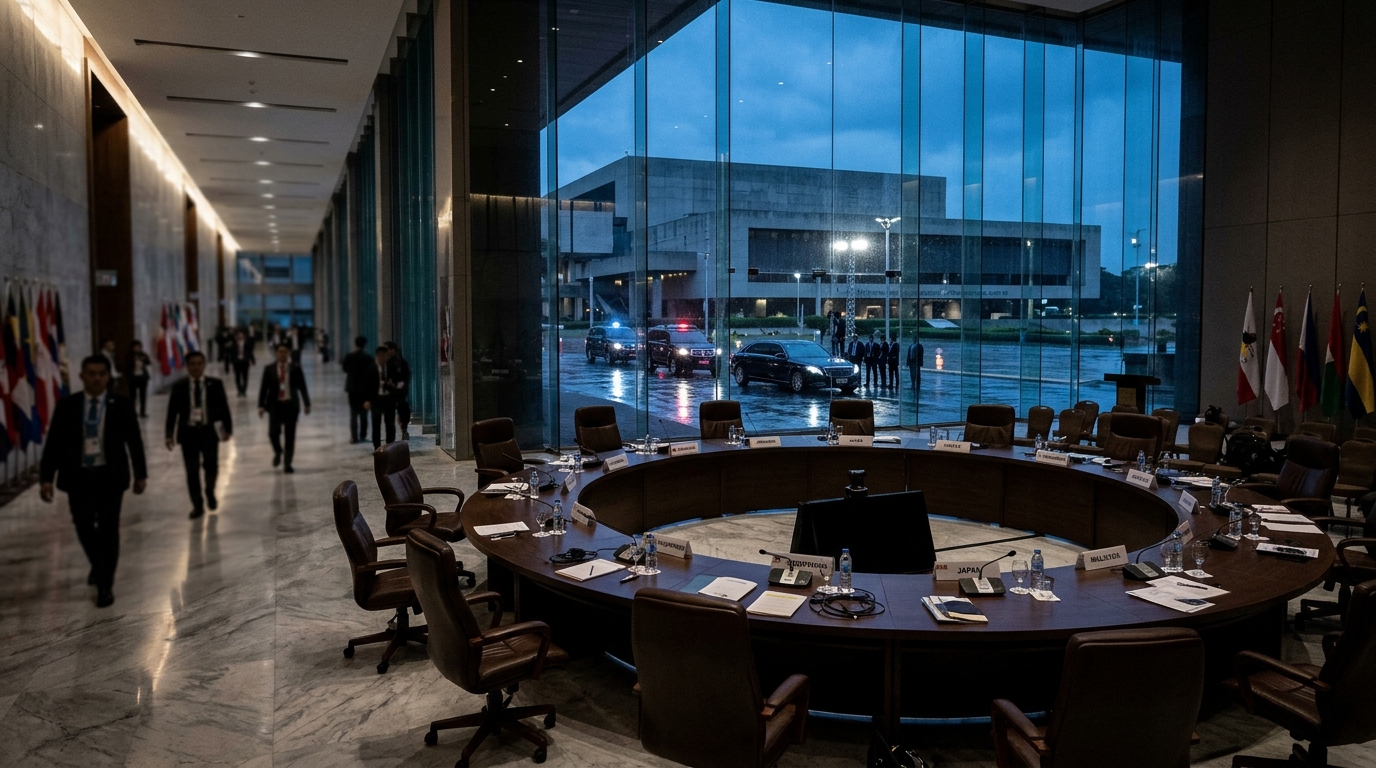
President Trump will arrive in Manila only as the regional summit wraps up, missing most key discussions with Southeast Asian leaders. The New York Times reported that this delayed appearance signals ongoing unpredictability in American engagement. Southeast Asian nations find themselves balancing diplomatic ties between Washington and Beijing.
Key Takeaways
- Trump arrives in Manila right as the regional ASEAN summit concludes, skipping major multilateral sessions.
- Southeast Asian governments face ongoing pressure while balancing strategic ties between Washington and Beijing.
- The delayed schedule reflects shifting priorities in American foreign engagement across vital regional partnerships.
Why Did the Manila Arrival Timing Raise Diplomatic Concerns?
Arriving at the tail end of the gathering curtails direct participation in high-level multilateral diplomacy. When a head of state misses scheduled working sessions, host nations lose dedicated opportunities to secure explicit security guarantees. This timing signals that formal group deliberations take a back seat to brief bilateral appearances.
Diplomats in Manila had arranged multi-day agendas addressing regional security, commerce, and shared maritime stability. Missing these core talks forces partner governments to interpret intentions through symbolic gestures rather than negotiated joint communiques. In our experience, physical absence during working sessions creates an immediate diplomatic vacuum.
- Track conference agendas: Review published summit timetables to identify when bilateral side meetings replace formal plenary negotiations.
How Does the Visit Affect the Balance Between Washington and Beijing?
The curtailed visit forces regional leaders to maintain delicate equilibrium between competing superpowers. When Washington projects intermittent involvement, Beijing capitalizes by expanding economic partnerships and deepening regional presence across Southeast Asia. Consequently, regional capitals avoid picking sides and hedge their positions to preserve autonomy and trade access.
Southeast Asian capitals rely on steady cooperation with Washington to counterbalance Chinese influence. When American leadership arrives late, regional officials adjust their strategic calculations. They diversify defense partnerships and seek internal consensus across the bloc. Can diplomatic ambiguity truly replace consistent, face-to-face dialogue?
- Assess foreign policy posture: Observe whether regional partners issue joint bilateral statements or pursue independent agreements with neighboring powers.
What Does Late Participation Signal for Future Regional Strategy?
Showing up as the summit finishes signals a preference for unilateral bargaining over traditional collective alliances. This habit diminishes the standing of multilateral forums like ASEAN, prompting member states to establish alternative regional frameworks. Leaders realize they cannot stake their security purely on continuous, dependable engagement from the United States.
We've found that erratic diplomatic schedules weaken institutional trust over time. You need reliable partners when planning trade corridors or coordinating regional maritime security. When formal summits turn into rushed photo opportunities, Southeast Asian governments strengthen intra-regional pacts to insulate themselves from sudden shifts in American leadership.
- Monitor alliance commitments: Watch for member nations signing regional defense protocols that bypass major superpower participation.
FAQ
Why did President Trump arrive late to the Manila summit?
President Trump arranged his arrival in Manila as the multilateral gathering concluded, bypassing the extensive scheduled policy discussions. The New York Times reported that this late appearance highlights an ongoing pattern where direct, group-level regional engagement takes lower priority than selected bilateral photo opportunities and brief wrap-up meetings.
How do Southeast Asian countries respond to superpower competition?
Southeast Asian nations maintain a non-aligned posture by balancing their economic and defense ties between Washington and Beijing. When American attendance becomes uncertain, these governments expand regional cooperation among themselves. They avoid exclusive alliances, ensuring they protect commercial trade with China while preserving defense channels with the United States.
What role does the ASEAN summit play in regional security?
The annual summit serves as the primary diplomatic venue where regional governments negotiate collective security policies and resolve maritime disagreements. High-level attendance allows world leaders to align on trade regulations and crisis management protocols. Missing these plenary sessions weakens collective decision-making and leaves unresolved security challenges across the region.
Diplomatic influence in Southeast Asia will depend on consistent attendance rather than brief ceremonial stops. As regional dynamics evolve, participating fully in multilateral institutions will determine whether Washington maintains genuine credibility across the Pacific.
Stay informed with accurate, up-to-date global news coverage.
Sources
- Trump Will Miss Most of the ASEAN Summit (NYT > World News): https://www.nytimes.com/2026/11/17/world/asia/trump-manila-asean-late.html