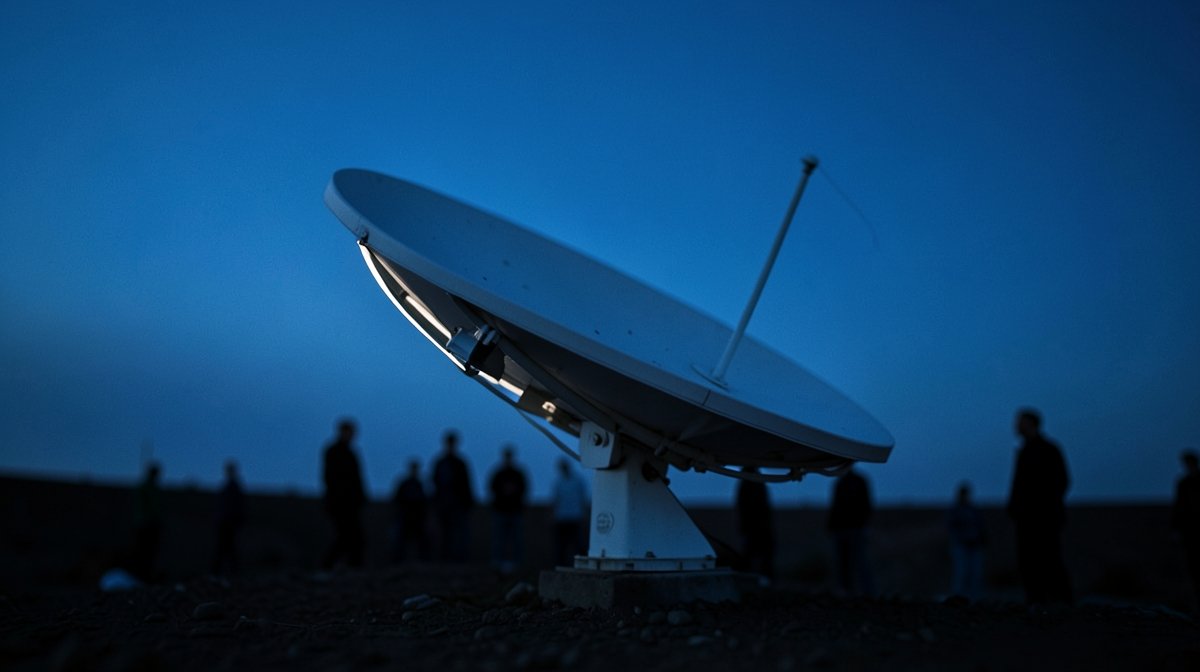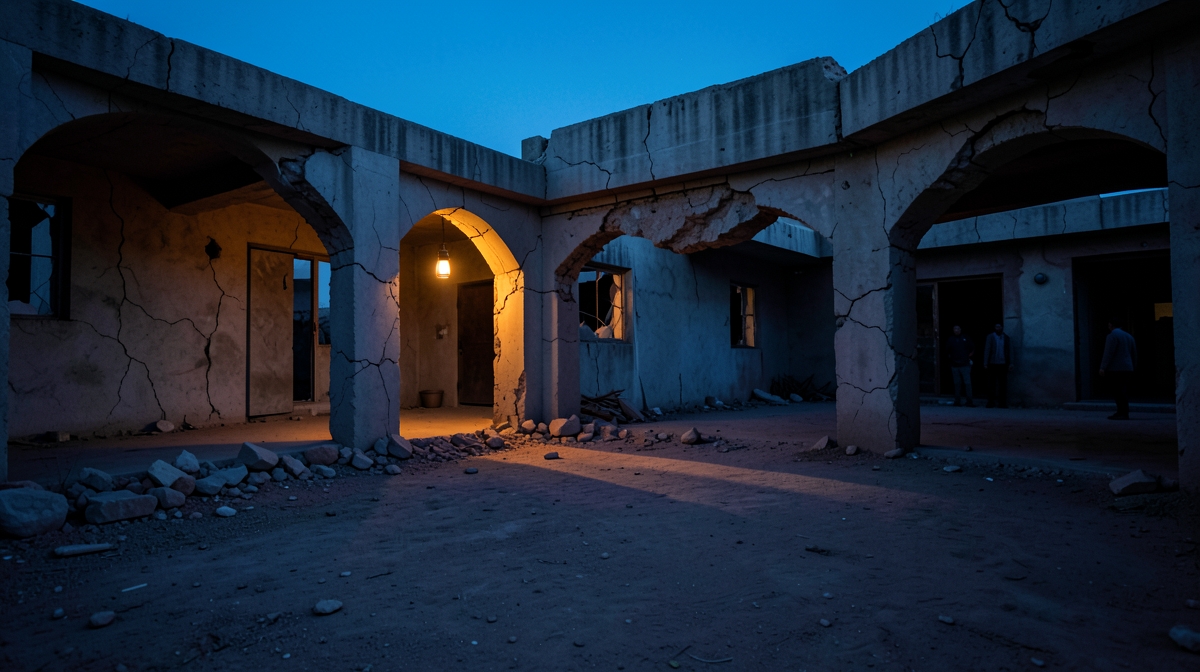
A BBC investigation has found that fighters from Sudan's Rapid Support Forces deliberately targeted civilian hospitals during ongoing hostilities. Following these findings, United Nations human rights chief Volker Türk warned that the multiple assaults may constitute war crimes under international law. The revelations place medical protection and accountability at the center of international scrutiny.
Key Takeaways
- BBC investigative reporting confirms Sudan's RSF fighters deliberately attacked medical facilities.
- United Nations human rights chief Volker Türk warned these systematic strikes may amount to war crimes.
- International bodies face growing pressure to protect healthcare infrastructure and enforce legal accountability during conflicts.
What Did the Investigation Reveal About Hospital Attacks?
Sudan's RSF fighters deliberately targeted medical facilities across conflict zones, according to evidence gathered by a BBC investigation. When combatants attack treatment centers, they don't just damage physical structures; they dismantle essential care for wounded civilians and force doctors to flee. These actions systematically strip communities of urgent survival aid during active warfare.
Deliberate strikes on clinics break established medical neutrality. When armed forces shell clinics or threaten staff, emergency triage collapses and preventable casualties multiply rapidly. Have you considered how fast basic community survival unravels when care workers become primary targets?
- Monitor protection updates: Track United Nations human rights releases to see how international observers document attacks against civilian infrastructure.
Why Could These Actions Constitute War Crimes?
United Nations human rights chief Volker Türk stated that multiple strikes on medical centers may amount to war crimes. International legal standards strictly protect civilian hospitals during armed conflict. Intentionally targeting facilities dedicated to the sick and wounded removes protected status and triggers global accountability mechanisms.
War crimes inquiries rely on showing deliberate intent rather than accidental collateral damage. By establishing that fighters chose hospitals as purposeful targets, investigators provide human rights bodies with the evidence required to initiate formal legal scrutiny against commanders responsible for the orders.
- Review legal briefs: Examine official statements from international human rights offices to understand the legal criteria required to establish deliberate intent.
How Does Targeting Healthcare Affect Regional Stability?
Targeting hospitals accelerates regional breakdown by forcing medical personnel into exile and denying urgent treatment to displaced populations. When civilian infrastructure faces intentional destruction, communities lose the basic services necessary for survival. This pattern drives massive internal displacement and deepens emergency aid shortages across surrounding areas.
In our experience tracking conflict reporting, we've found that the destruction of health networks creates long recovery delays. Without functional clinics, disease spreads through displaced populations and humanitarian delivery collapses. Will global legal norms hold if such deliberate attacks go unanswered?
- Support relief channels: Direct assistance toward verified humanitarian organizations working to deliver emergency medical supplies to affected civilians.
FAQ
What did the BBC investigation discover about the conflict?
The investigation revealed that fighters belonging to Sudan's RSF deliberately targeted healthcare facilities. These actions disrupted vital emergency treatments, forced medical personnel to evacuate, and left civilian casualties without basic clinical care during intense hostilities across affected regions.
Why did Volker Türk warn about potential war crimes?
United Nations human rights chief Volker Türk warned of war crimes because international law grants special protected status to hospitals during war. Deliberately directing strikes against treatment centers and non-combatant patients violates core international conventions designed to shield civilians.
What happens after human rights officials identify possible war crimes?
Identifying potential war crimes triggers formal documentation by United Nations monitors and global legal bodies. Investigators assemble witness testimonies, verify targeting patterns, and compile comprehensive case evidence that prosecutors can later present before international accountability tribunals.
Holding armed actors accountable for attacks on clinics remains vital for civilian safety worldwide. As international bodies review evidence gathered in Sudan, global pressure will determine whether international protections for medical workers and patients survive modern combat.
Stay informed with accurate, up-to-date global news coverage.
Sources
- Hospitals deliberately targeted by Sudan's RSF fighters, BBC investigation finds (BBC News): https://www.bbc.co.uk/news/articles/c54g1kxw4nvvo?at_medium=RSS&at_campaign=rss