

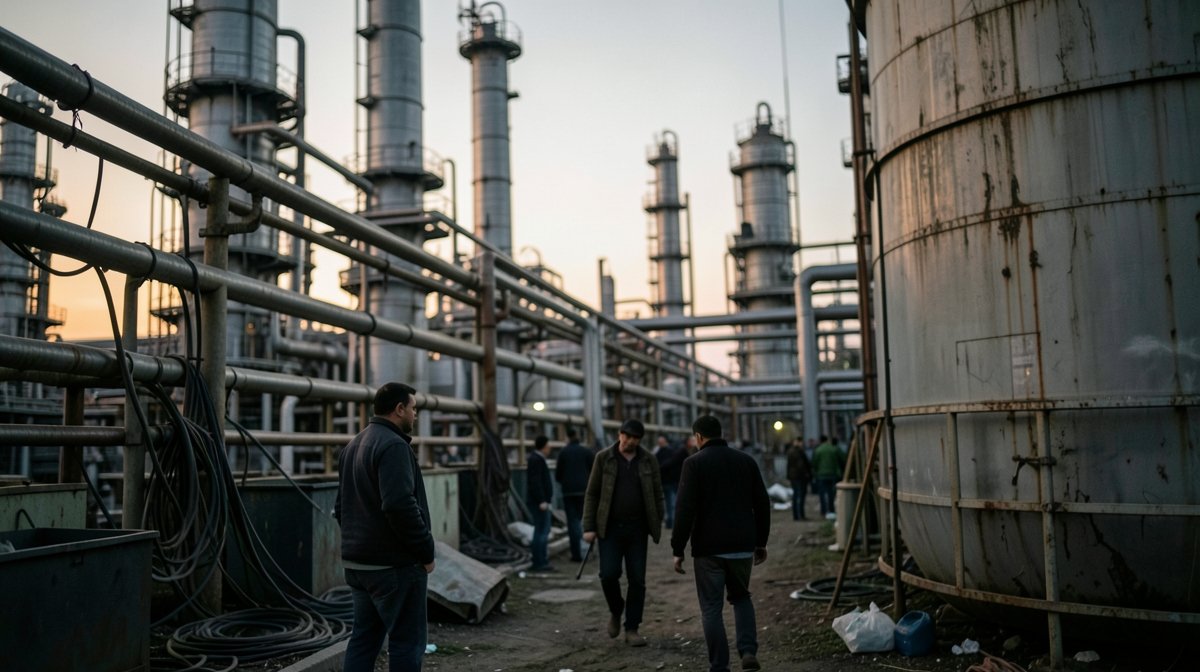
Washington secured operational control over 65 billion barrels of Venezuelan petroleum reserves through an agreement announced by interim authorities. This unprecedented accord transfers administrative authority of vast crude deposits to American firms, marking a dramatic shift in South American energy geopolitics.
Key Takeaways
- United States agencies secured management rights over 65 billion barrels of Venezuelan petroleum reserves.
- Venezuelan interim leadership champions the pact as a vital mechanism to revive the struggling national economy.
- Industry experts predict massive infrastructure investments will follow the historic bilateral energy agreement.
- Rigorous environmental and financial oversight protocols remain central to the multi-year extraction timeline.
What Does This Oil Control Agreement Change?
American energy corporations gain direct supervisory authority over extraction sites holding 65 billion barrels of crude reserves. This arrangement replaces years of state-controlled stagnation with private sector capital injection, allowing modern drilling technology to replace aging infrastructure across the Orinoco belt.
- Watch for: American engineering firms deploying initial technical teams to assess wellhead conditions by next month.
Why Did Caracas Pursue This Deal?
Severe economic collapse and hyperinflation forced Venezuelan leadership to trade sovereign management for guaranteed foreign capital influx. Decades of underinvestment crippled national production capacity, dropping output to fractions of historical highs before this radical policy pivot occurred.
- Do this: Monitor upcoming quarterly earnings reports from major petroleum companies for capital expenditure shifts toward South America.
How Will Washington Manage the Reserves?
The United States Department of Energy will coordinate directly with private conglomerates to audit extraction yields and market distribution channels. Treasury regulators will oversee revenue flows to ensure funds bypass corrupt domestic actors and directly target humanitarian relief and infrastructural reconstruction.
- The move: Review official Department of Energy compliance guidelines regarding foreign asset management before adjusting investment portfolios.
What Are the Next Steps for Production?
Heavy crude extraction requires billions in upfront expenditure to repair damaged pipelines, refineries, and port facilities along the Caribbean coastline. Engineering crews must complete comprehensive environmental audits before drilling restarts, setting a realistic timeline of eighteen months before significant barrel volumes reach international export terminals.
- Watch for: Environmental impact assessment filings published by participating energy contractors in the coming weeks.
FAQ
How many barrels of oil are now under US control?
The agreement grants management oversight to approximately 65 billion barrels of proven crude reserves located within Venezuelan territory. This massive volume represents a significant portion of the nation's total underground petroleum wealth.
Who initiated this bilateral energy agreement?
Venezuelan interim authorities pursued the partnership to rescue their failing economy, negotiating directly with American officials and energy sector representatives to finalize the operational terms.
When will oil production actually increase?
Industry analysts estimate that physical infrastructure repairs will take at least eighteen months, meaning meaningful export increases will not materialize until late next year.
Will ordinary citizens benefit from this deal?
Interim leaders state that revenue generated through the petroleum agreement will fund domestic infrastructure and humanitarian programs, though economic recovery will take time.