

Key Takeaways
- The United States has secured management authority over 65 billion barrels of Venezuelan oil reserves.
- Venezuelan interim leadership champions the pact as a vital catalyst for economic revival.
- Global markets are currently reacting to potential shifts in crude supply dynamics.
What Does the New Oil Agreement Entail?
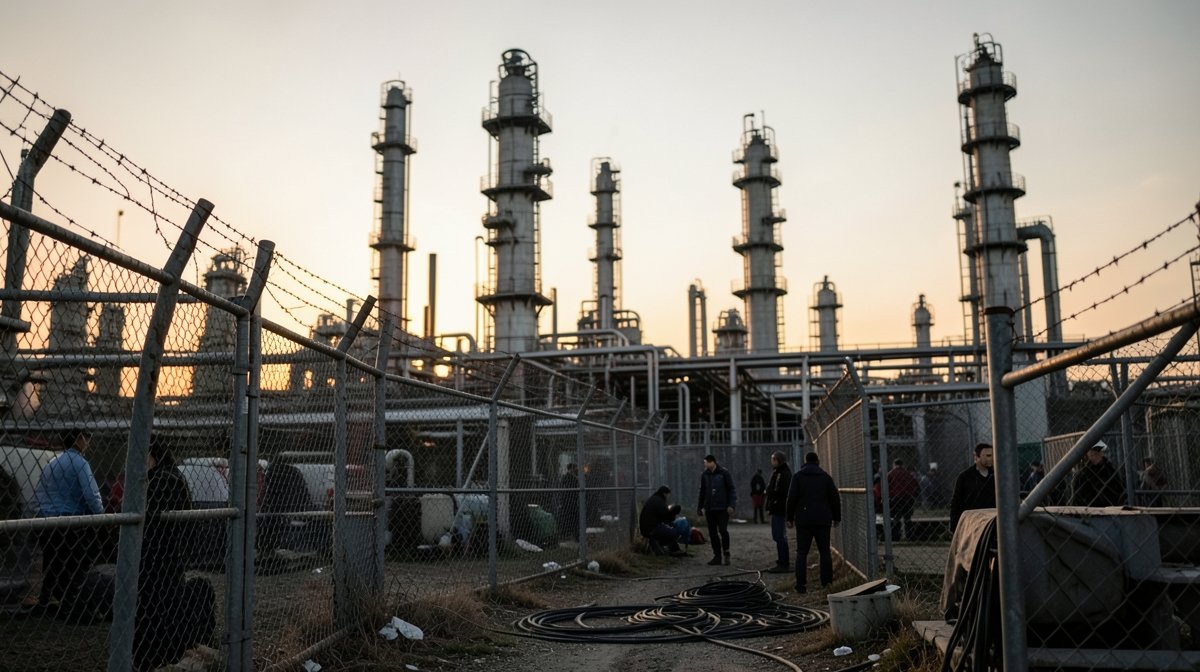
Washington now exercises direct operational oversight of sixty-five billion barrels of crude reserves within Venezuela under a newly minted accord. Venezuelan interim leadership accepted these terms to jump-start an economy battered by years of severe sanctions and infrastructural decay. You see, this arrangement bypasses traditional state-run bottlenecks by placing foreign technical experts directly at extraction sites.
Foreign energy conglomerates will inject billions in capital to repair rusted pipelines and damaged refineries across the Orinoco belt. That immediate infusion of cash and hardware aims to lift domestic output from current lows back toward historical production averages. Watch for:
- Watch for initial export shipment schedules published by the energy ministry next month.
Why Did Caracas Agree to Foreign Control?
Decades of chronic underinvestment left state petroleum networks producing a fraction of their design capacity, forcing leaders to cede operational control. Without external expertise, the national treasury faced complete insolvency within the next fiscal cycle. Desperate times demand pragmatic compromises, and local officials calculated that sharing extraction authority beats watching reserves sit stranded underground indefinitely.
Inflation rates inside the country have hovered near hyperinflationary thresholds for multiple years, starving public services of basic funds. This pact directly links oil revenue extraction to transparent trust accounts designed to stabilize the local currency. Do this:
- Do this: Monitor foreign exchange rates for immediate signs of stabilization following the announcement.
How Will Global Markets Respond?
International crude prices dipped slightly as traders anticipated a massive influx of heavy sour crude hitting maritime terminals soon. Global refiners in the United States and Europe possess the exact technical configurations required to process Venezuelan crude efficiently. When supply bottlenecks clear, pump prices in importing nations usually experience downward pressure over a three-month horizon.
OPEC members are currently evaluating whether this sudden shift in hemispheric supply warrants emergency production adjustments of their own. We've found that market analysts often overestimate the speed of physical infrastructure repairs, so actual delivery timelines might stretch longer than expected. The move:
- The move: Adjust your energy sector portfolios to hedge against sudden shifts in regional crude benchmarks.
What Are the Long-Term Economic Risks?
Ceding control of sovereign natural resources to a foreign superpower carries immense domestic political liabilities for any transitional government. Critics within the legislature argue that surrendering management rights compromises national sovereignty for short-term financial gain. History shows that resource-sharing agreements managed under foreign supervision frequently trigger nationalist backlashes among local working classes.
Environmental watchdogs also warn that accelerating drilling without rigorous oversight could worsen ecological degradation in sensitive wetland regions. You must weigh the promise of immediate fiscal relief against the permanent loss of domestic resource autonomy. Watch for:
- Watch for legislative debates regarding resource sovereignty amendments in the coming weeks.
FAQ
How large are the reserves involved in this deal?
The agreement encompasses precisely 65 billion barrels of verified crude oil reserves located primarily within the Orinoco basin of Venezuela.
Who authorized this agreement on behalf of Venezuela?
The interim president of Venezuela signed the pact, arguing it represents the only viable path to rescue the collapsing domestic economy.
When will production actually increase?
Industry experts estimate that tangible export increases will materialize within twelve to eighteen months, pending necessary infrastructure repairs.
Will this affect global fuel prices?
An influx of heavy crude into international markets typically lowers refining costs, which eventually translates to reduced fuel prices for consumers.