

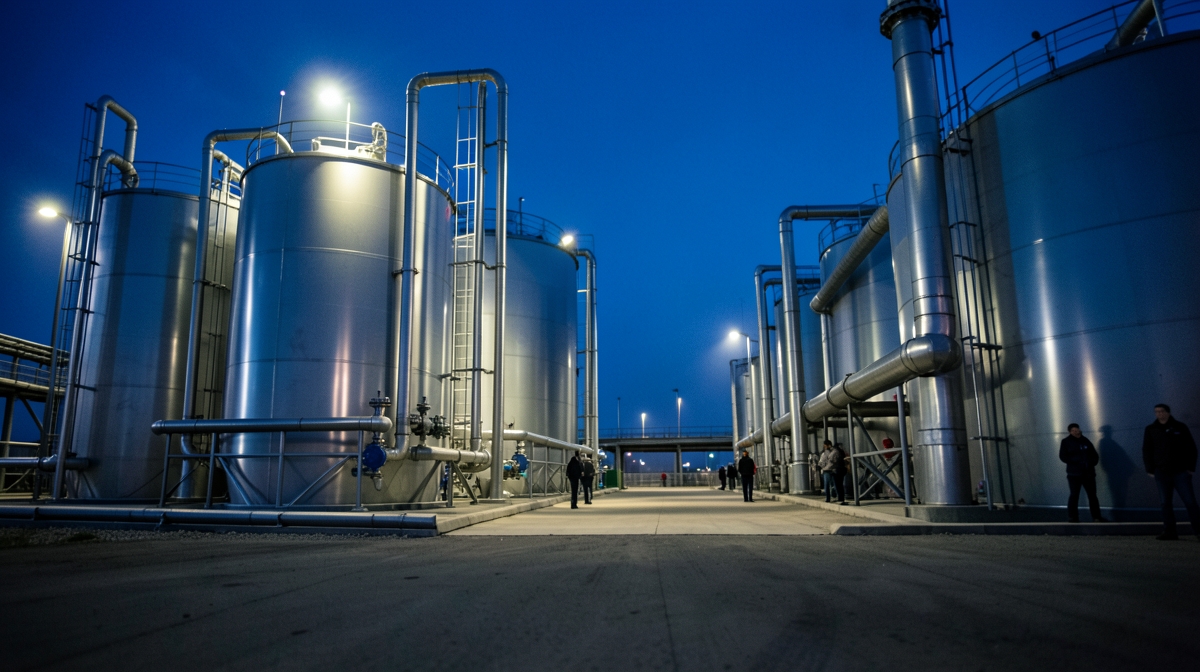
Washington has warned European governments to secure their fuel reserves after Donald Trump threatened to halt diesel exports. The proposed ban aims to reduce fuel costs for domestic consumers before the upcoming November elections, BBC News reported.
Key Takeaways
- Donald Trump proposed banning diesel exports to lower domestic prices ahead of the November elections.
- United States officials advised European partners to prepare their fuel reserves for potential supply shocks.
- Restricting transatlantic exports shifts domestic supply balances while tightening international refined product markets.
Why is the US urging Europe to secure alternative fuel supplies?
United States officials advised European leaders to ready fuel inventories because restricting American diesel shipments could strain international supplies. Halting exports forces overseas buyers to seek alternative refined petroleum sources quickly. When major producers restrict exports, importing regions face tighter supply conditions unless they prepare adequate reserves in advance.
Refined product trade links American refineries directly with international consumption hubs. If overseas shipments stop, European markets that rely on imported diesel must draw down existing storage facilities or compete for alternative supplies across global shipping routes. In our experience, advance logistical planning prevents sudden distribution bottlenecks during unexpected policy shifts.
- Monitor reserve capacity: Track regional storage inventories weekly to prepare for unexpected policy changes.
How would an export ban affect domestic and global energy markets?
Banning diesel exports restricts fuel within domestic borders, increasing local product availability while cutting off foreign buyers. Keeping domestic production at home lowers supply constraints for local buyers, which helps ease prices inside the country before political ballots take place, as reported by BBC News.
Trade restrictions create opposite effects across national borders. Trapping refined fuel within the country expands local supply, which puts downward pressure on local retail prices. Conversely, international markets lose an established supply flow, forcing foreign buyers to bid higher for remaining global volumes.
- Review supply contracts: Audit cross-border fuel agreements to verify delivery terms and secondary supply commitments.
What does the policy signal for international energy trade?
The export threat signals that domestic political priorities and election calendars can rapidly reshape international trade flows. Proposing trade bans ahead of the November vote highlights how internal economic relief often takes precedence over established transatlantic energy partnerships during major national elections.
Energy policies tied to political cycles introduce uncertainty into commercial planning. Importers and industrial consumers must adapt by diversifying their supplier bases rather than relying heavily on single export corridors. Will other energy exporters implement similar defensive measures during periods of economic tension?
- Diversify fuel sources: Identify secondary regional distributors to maintain operational readiness against potential export restrictions.
FAQ
Why did Donald Trump threaten to ban diesel exports?
Donald Trump threatened to ban diesel exports to lower domestic fuel prices for American consumers ahead of the November elections. Limiting shipments overseas keeps refined fuel inside the country, increasing domestic supply to reduce price pressures at local filling stations.
What did US officials tell European governments regarding fuel?
United States officials advised European authorities to ready their fuel supplies in case export restrictions materialize. Preparing domestic inventories helps importing nations manage potential shortfalls if American diesel shipments stop moving across transatlantic shipping channels.
When could these fuel trade restrictions take effect?
The proposed diesel export restrictions were raised in connection with the November election cycle. Importers must watch policy announcements closely as political timelines develop to anticipate any regulatory actions that could alter maritime export clearances.
International energy markets remain sensitive to domestic political decisions and shifts in export policy. Ensuring strong reserves and flexible supply lines will help consumers and industries manage potential fuel disruptions. Stay informed with accurate, up-to-date global news coverage.
Sources
- US says Europe should ready fuel supplies as Trump threatens diesel ban (BBC News): https://www.bbc.co.uk/news/articles/c5zjzjgdeneeo?at_medium=RSS&at_campaign=rss