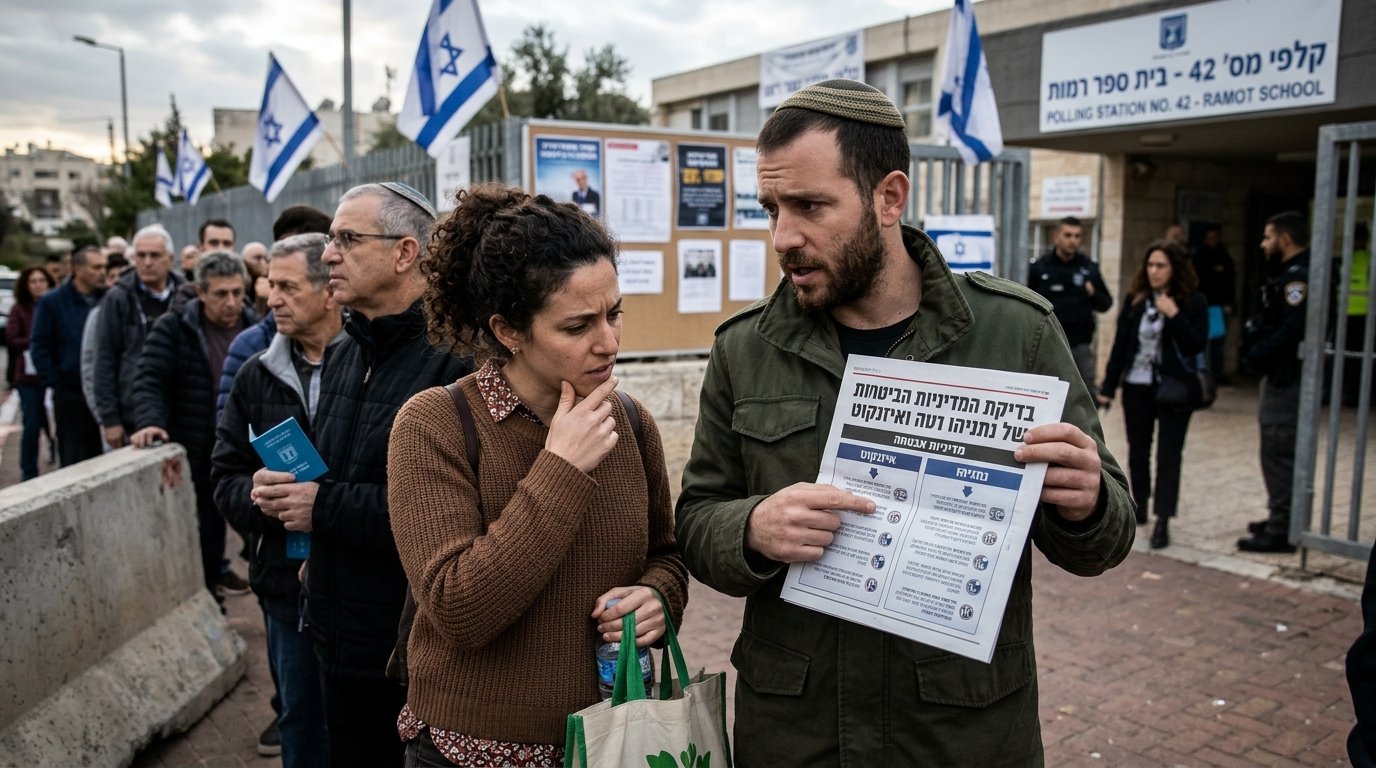
External observers often expect national ballots to reset international alliances and alter military strategies. The New York Times reported that the contest between Prime Minister Benjamin Netanyahu and Gadi Eisenkot will yield no such shift. Both politicians maintain nearly matching defense positions and joint opposition to a sovereign Palestinian state.
Key Takeaways
- Leadership changes will not resolve ongoing international isolation or change security policy.
- Benjamin Netanyahu and rival Gadi Eisenkot hold parallel views on defense doctrine.
- Opposition to establishing an independent Palestinian state unites both leading candidates.
- International partners face persistent policy standoffs regardless of the ballot outcome.
Does a Leadership Race Signal New Foreign Policy?
A change in ruling leadership rarely guarantees a transformation of statecraft when political rivals agree on fundamental strategic goals. The New York Times observed that neither contender plans to reverse the country's military direction. Because the candidates share basic assumptions, the vote cannot resolve mounting diplomatic friction with traditional foreign allies.
Many voters assume that replacing an incumbent automatically pivots national defense priorities. In practice, shared views on border control and regional threats create continuity across opposing parties. When two opposing leaders refuse Palestinian independence, foreign capitals find few differences to negotiate.
- Monitor coalition pacts: Track whether secondary parties demand defense concessions during talks.
Why Do the Main Contenders Mirror Each Other on Defense?
Political rivals frequently mirror each other on defense to avoid appearing hesitant before a security-conscious domestic public. Both Benjamin Netanyahu and Gadi Eisenkot align against Palestinian sovereign independence while advancing firm security actions. This consensus ensures that domestic competition centers on personal governance rather than substantial defense reform.
Do internal divisions actually change core military doctrines? Broad national security consensus usually overpowers party rivalries during heated parliamentary campaigns. When primary candidates present indistinguishable security pledges, foreign observers can anticipate identical positions on territorial integrity and sovereignty claims.
- Verify candidate records: Compare past defense votes rather than relying on campaign rhetoric.
What Does Continuing Consensus Mean for Diplomatic Isolation?
Unbroken consensus across major parties ensures that persistent diplomatic friction with foreign nations will continue unchanged after election day. Because neither front-runner intends to endorse Palestinian independence, bilateral tensions with international partners remain structurally locked. The New York Times indicated that this shared doctrine leaves external isolation firmly intact.
Foreign governments often hold back decisive diplomatic moves until balloting ends. Yet when both prospective winners defend the same strategic framework, waiting changes very little. Observers expecting major diplomatic breakthroughs from this vote will encounter the same longstanding policy boundaries.
- Plan for continuity: Prepare strategic forecasts around persistent diplomatic conditions rather than policy reversals.
FAQ
Why is this election unlikely to alter international relations?
The New York Times reported that both Prime Minister Benjamin Netanyahu and Gadi Eisenkot share almost identical strategic goals. Because neither candidate intends to shift defense tactics or support a Palestinian state, external partners will face the exact same foreign policy framework after the vote concludes.
Who are the primary candidates examined in the report?
The reporting focuses on Prime Minister Benjamin Netanyahu and challenger Gadi Eisenkot as the leading contenders. Despite running against each other for political power, their core commitments to national defense and their collective rejection of Palestinian sovereignty align closely throughout the electoral contest.
What does the shared stance on Palestinian statehood signify?
The joint opposition to Palestinian statehood signals that territorial policies will remain consistent regardless of who wins the prime minister post. Foreign governments seeking a two-state agreement will find no major policy alternative between the front-runners, leaving longstanding international tensions largely unresolved.
Diplomatic friction will persist as long as domestic consensus overrides international calls for strategic policy revisions.
Stay informed with accurate, up-to-date global news coverage.
Sources
- Israel’s Election Is Unlikely to Change Its Policies and Global Isolation (NYT > World News): https://www.nytimes.com/2026/10/30/world/europe/israel-election-netanyahu-eisenkot.html