

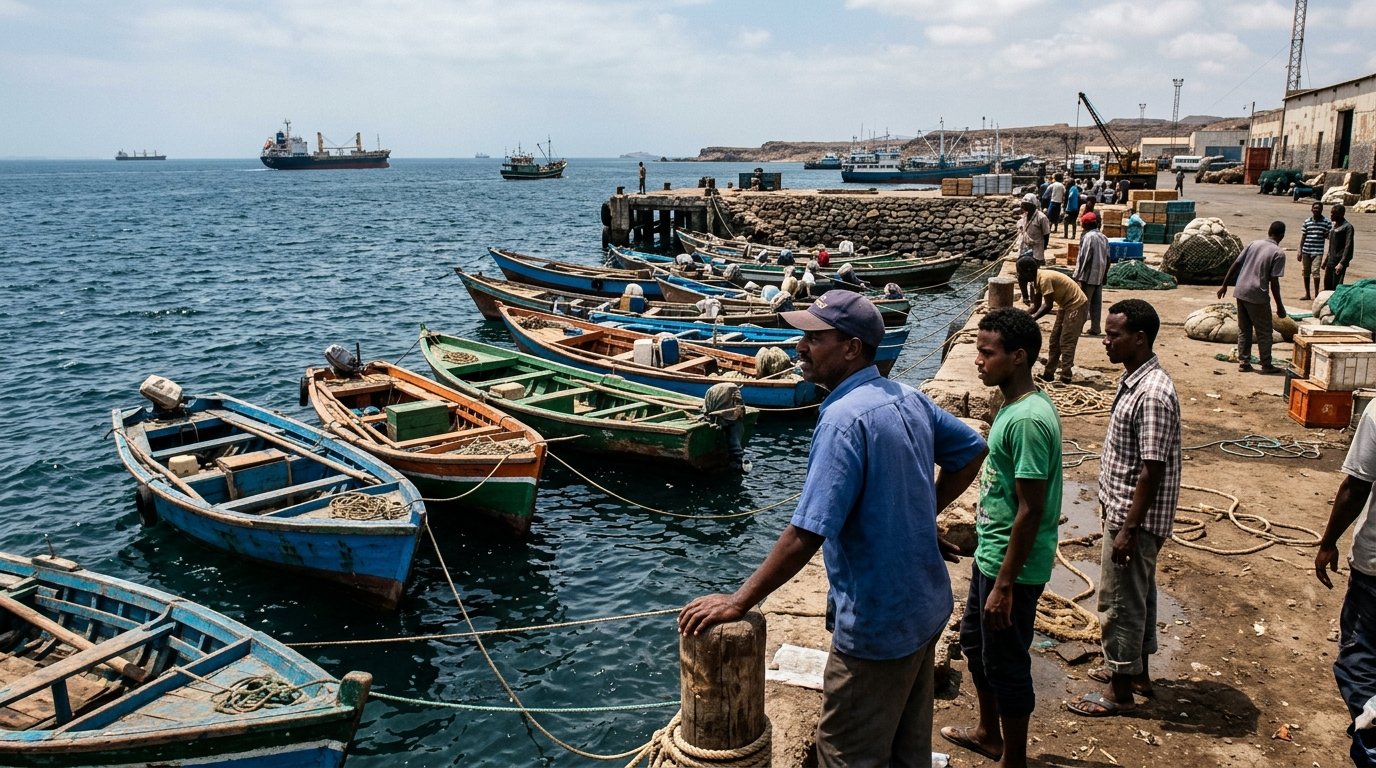
Escalating hostilities between Houthi fighters and Saudi-backed forces are pushing Yemeni civilians to flee their homes across the Red Sea. Displaced families now make the dangerous maritime crossing toward Djibouti to escape the spreading violence. The movement highlights how direct regional clashes disrupt civilian safety on both sides of the sea.
Key Takeaways
- Clashes between Houthis and Saudi-backed forces force Yemenis across the Red Sea to Djibouti.
- The BBC's Frank Gardner gathered direct accounts from civilians who fled the fighting.
- A reported strike on a fuel depot at Riyadh airport caused delays on Saturday.
- Saudi Arabia confirmed shooting down a ballistic missile aimed at its capital.
Why Are Yemenis Crossing the Red Sea to Djibouti?
Yemeni families flee across the Red Sea because escalating clashes between Houthi fighters and Saudi-backed forces remove safe refuge on the mainland. The sea route toward Djibouti offers an escape passage away from active combat, despite severe maritime hazards and rough sea conditions along the crossing.
Ground battles and aerial bombardments compel civilians to leave their hometowns as regional violence expands. The BBC's Frank Gardner spoke to people who fled the war by crossing the Red Sea to Djibouti. Those firsthand testimonies show that escalating military operations between armed factions remain the direct trigger for civilian displacement across the water.
- Coastal monitoring: Review maritime bulletins from regional monitoring bodies to track ongoing displacement trends along Red Sea transit routes.
How Does the Widening Conflict Impact Regional Stability?
Cross-border strikes destabilize regional travel networks and critical infrastructure far beyond frontline battlefields. According to BBC News, a reported strike on a fuel depot at Riyadh airport caused operational delays on Saturday, while Saudi Arabia reported intercepting and shooting down a ballistic missile aimed at the capital city.
Long-range missile operations threaten international transportation hubs and commercial flight paths across the Arabian Peninsula. When air defense batteries engage incoming ballistic missiles over capital areas, commercial airlines must adjust flight schedules and ground aircraft. This combination of localized coastal clashes and cross-border missile launches heightens travel uncertainty across the wider region.
- Flight tracking: Check airline status alerts and official civil aviation safety bulletins before traveling through transit hubs in the Arabian Peninsula.
FAQ
Who reported on the displaced Yemenis arriving in Djibouti?
The BBC's Frank Gardner spoke directly to individuals who fled across the Red Sea to seek safety in Djibouti. His reporting documented direct civilian accounts after intensified clashes between Houthi forces and Saudi-backed coalitions forced families away from active combat sectors along coastal territories.
What infrastructure was targeted during recent cross-border strikes?
BBC News reported that a missile strike targeted a fuel depot at Riyadh airport, causing flight delays on Saturday. Saudi Arabian defense forces reported shooting down an inbound ballistic missile aimed directly at the capital city before it could cause wider infrastructural disruption.
Why is the Red Sea crossing dangerous for fleeing civilians?
Civilian boats face severe maritime hazards while moving across open waters toward Djibouti during intensified hostilities. Families risk vessel capsizing and sudden military encounters while attempting to leave coastal zones affected by ongoing artillery exchanges and regional missile activity between the opposing warring factions.
Diplomatic and humanitarian observers continue to monitor conditions across the Red Sea as regional developments unfold. Stay informed with accurate, up-to-date global news coverage.
Sources
- Yemenis flee across Red Sea as Houthis and Saudi-backed forces escalate war (BBC News): https://www.bbc.co.uk/news/articles/cw4gm7l742dmo?at_medium=RSS&at_campaign=rss