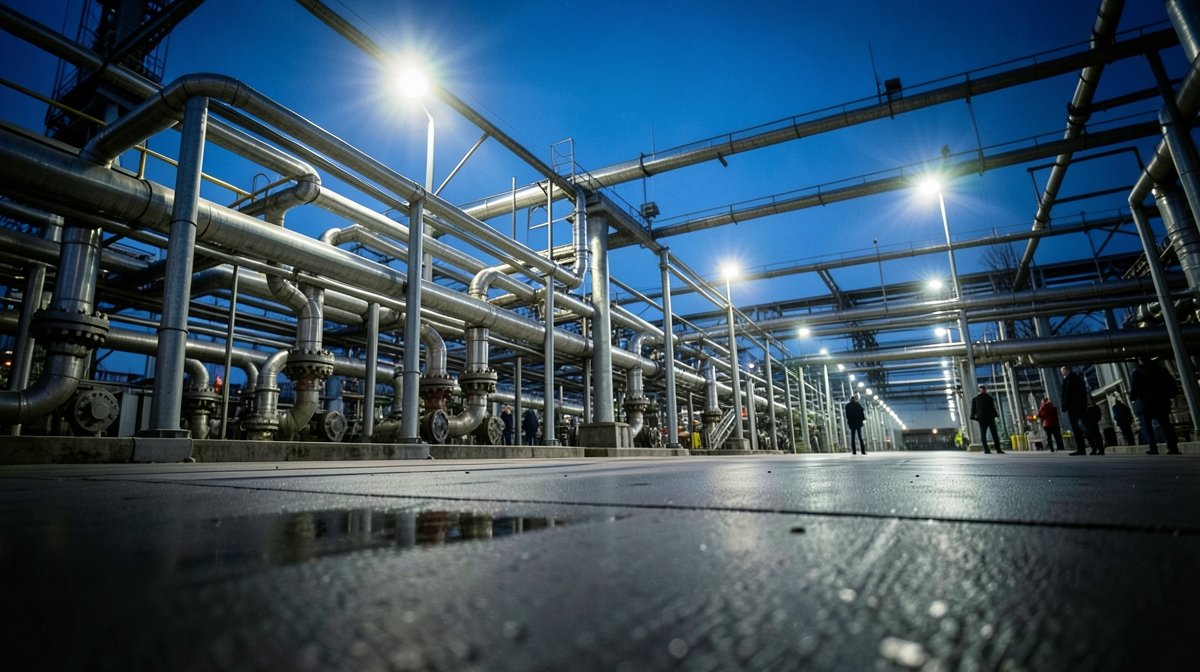


Ukrainian forces have resumed targeted strikes on Russian oil refineries after pausing operations under pressure from Washington. President Volodymyr Zelensky defended the counteroffensive as a fundamental right to defense, rejecting sharp rebukes from President Donald Trump. This strategic shift directly challenges diplomatic efforts and strains alliances across Europe.
Key Takeaways
- Ukraine resumed strikes on Russian oil refineries after pausing operations under American pressure.
- Donald Trump labeled the strikes a disgrace, claiming Volodymyr Zelensky is harder to handle than Vladimir Putin.
- European leaders and Britain's prime minister pledged continued defense support for Kyiv.
- Kyiv reported receiving no warnings before recent Russian strikes despite claims of active intelligence sharing.
Why did Ukraine resume strikes against Russian oil facilities?
Ukraine resumed refinery strikes because diplomatic pauses failed to curb Russian aggression or yield military benefits. Speaking to The Financial Times, President Volodymyr Zelensky confirmed that Kyiv halted attacks to satisfy American requests, but renewed the campaign when Moscow continued striking Ukrainian infrastructure without operational consequences.
The decision targets the industrial machinery financing the Russian war effort. By hitting processing plants, Ukrainian planners disrupt fuel supplies to frontlines and reduce export revenues. In our experience, cutting refined product output creates immediate logistical bottlenecks for combat units.
The White House opposed these attacks due to crude pricing and escalation risks. Donald Trump publicly called the strikes a disgrace, arguing they undermine peace frameworks. Yet Ukrainian defense officials maintain that striking enemy energy production remains an essential tool of self-defense.
- Track refinery output: Review monthly global fuel trade reports to evaluate how disruptions in Russian petroleum processing influence commercial energy markets.
How is the diplomatic rift dividing Western allies?
The diplomatic rift is widening because Washington and European capitals hold conflicting visions for supporting Ukrainian resistance. While Donald Trump criticized Volodymyr Zelensky as more difficult to work with than Vladimir Putin, European Union leaders rallied around the Ukrainian president to demonstrate enduring strategic solidarity.
This split exposes diverging security priorities across the Atlantic alliance. European officials fear that abandoning Kyiv compromises continental borders and rewards territorial conquest. Inconsistent coalition messaging signals vulnerability, complicating coordinated diplomatic pressure and emboldening adversarial states across eastern Europe.
Britain's prime minister Burnham met directly with Zelensky to pledge unequivocal political backing amid wavering American commitments. While Washington pushes for rapid conflict resolution through negotiated settlements, key European partners argue that durable settlements require sustained military deterrence and strong Ukrainian battlefield positions.
- Monitor diplomatic declarations: Follow official communique releases from European Union summits to gauge shifts in multilateral defense commitments toward eastern Europe.
What does the intelligence dispute mean for frontline defense?
The intelligence dispute highlights severe communication breakdowns that directly jeopardize Ukrainian civilian and military defense readiness. While Donald Trump maintained that Washington continues sharing valuable intelligence, President Volodymyr Zelensky revealed that Ukrainian command centers received no operational warning prior to devastating Russian strikes.
Accurate warning alerts give air defense teams the necessary time to reposition interceptors and protect urban centers. When sensor alerts fail to arrive, Russian missiles strike unguarded grid nodes and defensive positions. Without reliable detection networks, battlefield command structures suffer acute coordination delays.
This breakdown forces Ukraine to reassess its reliance on overseas data streams and build independent surveillance capacity. The friction proves that shifting political agreements can disrupt practical security cooperation on short notice. Strategic autonomy has therefore become an urgent priority for Ukrainian defense planners.
- Assess defense advisories: Check public notifications from regional military observers to identify verified changes in allied tactical communication channels.
FAQ
Why did Donald Trump criticize the latest Ukrainian strikes?
Donald Trump denounced the attacks as a disgrace, claiming they destabilize potential diplomatic negotiations with Russia. He expressed frustration with Kyiv's operational decisions, asserting publicly that Volodymyr Zelensky has proved more difficult to work with than Vladimir Putin during peace discussions.
What was Ukraine's rationale for pausing refinery attacks initially?
President Volodymyr Zelensky explained to The Financial Times that Ukraine paused refinery strikes specifically to satisfy demands from the United States government. Ukrainian planners halted operations to preserve allied diplomatic coordination, but resumed them after concluding the measure failed to prevent Russian strikes on Ukrainian infrastructure.
How did European leaders react to the rift between Washington and Kyiv?
European Union leaders quickly rallied around Volodymyr Zelensky following the public dispute with Washington. Leaders across the continent affirmed Ukraine's sovereign right to defend its territory, while Britain's prime minister pledged steadfast backing to counterbalance wavering American support for the ongoing war effort.
The friction between Kyiv and Washington marks a critical juncture in the conflict, testing international security agreements. As Ukraine asserts operational freedom against Russian refineries, European partners must bridge widening transatlantic divides. Future stability will depend on whether allied powers can maintain unified defense assistance while seeking viable diplomatic solutions.
Stay informed with accurate, up-to-date global news coverage.
Sources
- Zelensky Says Ukraine Will Resume Russian Refinery Strikes, Defying Trump (NYT > World News): https://www.nytimes.com/2026/10/15/world/europe/ukraine-russia-oil-strikes-zelensky-us-intelligence.html