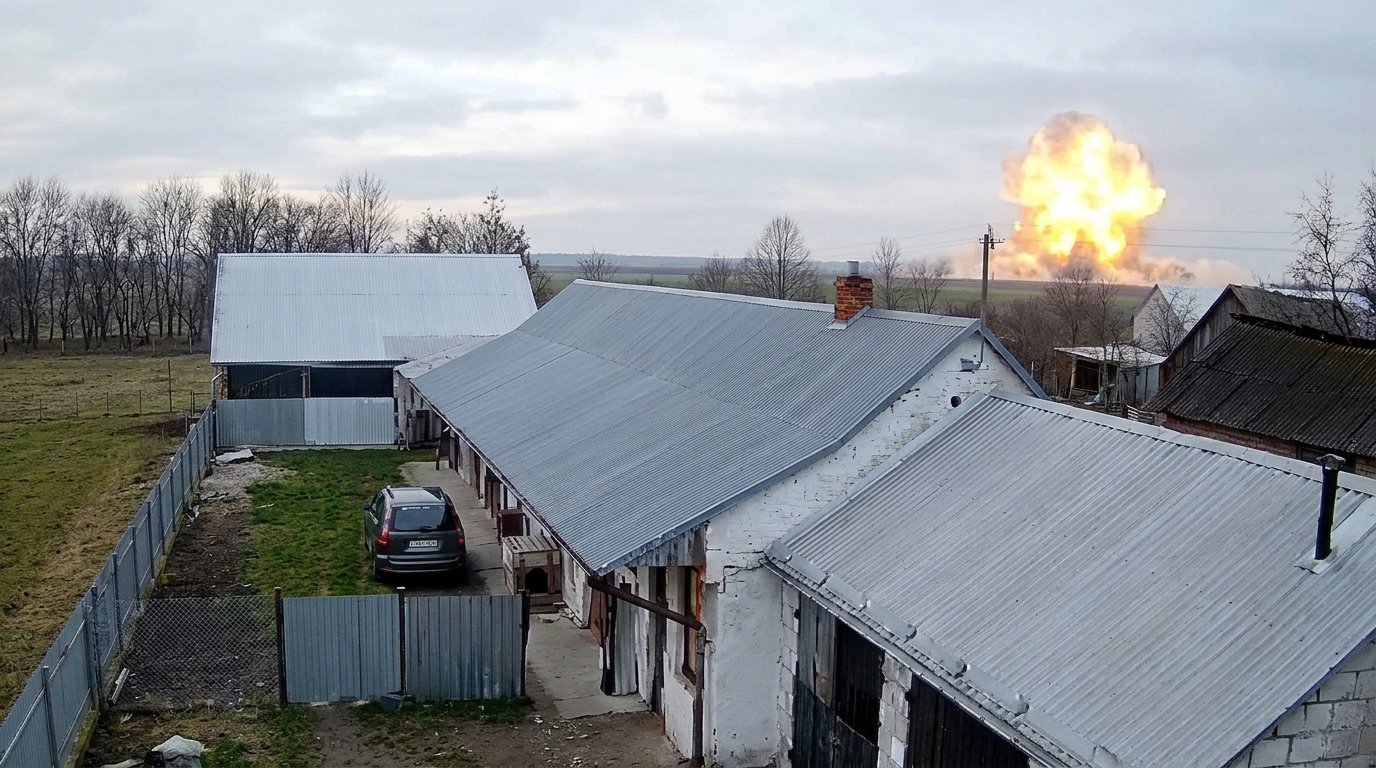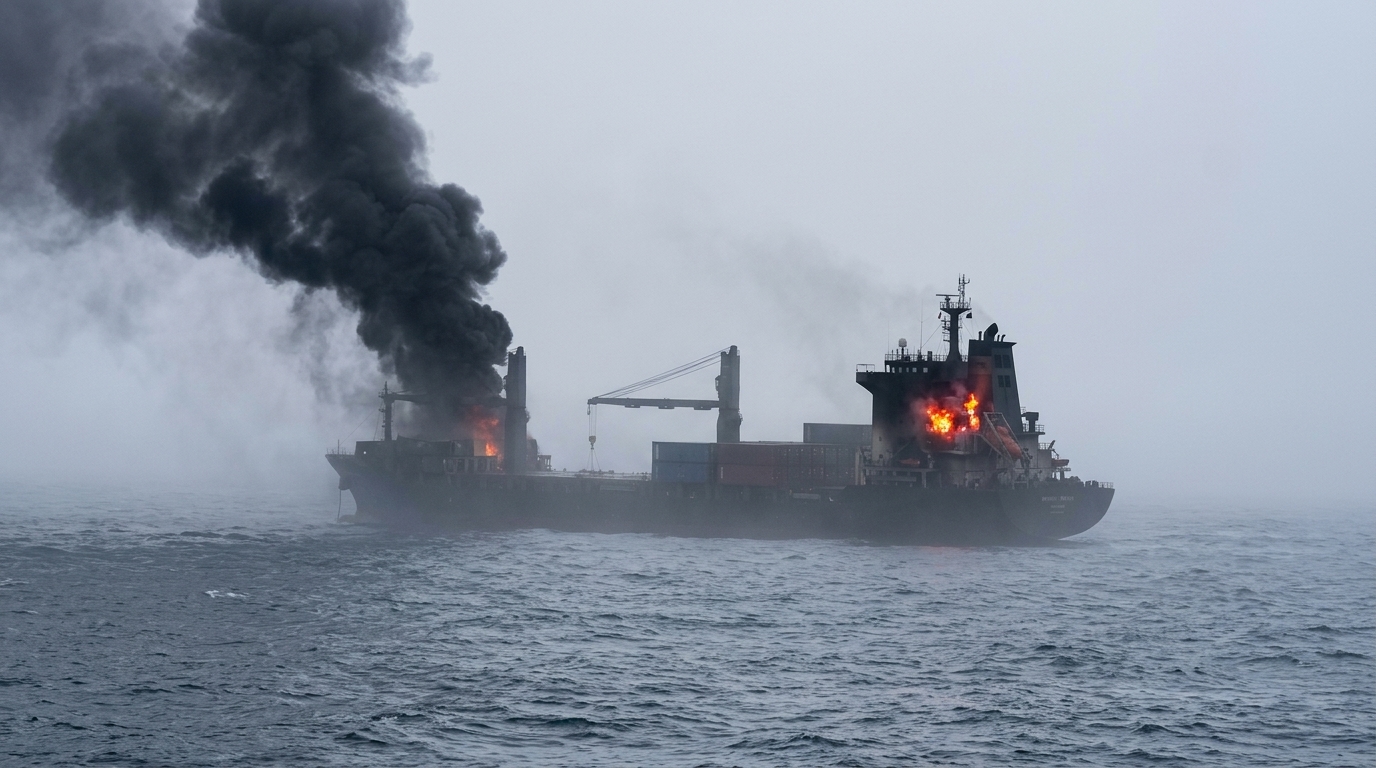
A drone strike struck a Russia-bound ship inside the Gulf of Finland, according to reports confirmed by BBC News. Finnish defence forces announced that Ukraine was likely behind the maritime operation. This strike pushes remote aerial combat into northern waters, showing how uncrewed systems now threaten supply lanes far from traditional front lines.
Key Takeaways
- A commercial vessel heading toward Russia suffered a drone strike in the Gulf of Finland.
- Finnish defence forces evaluated the incident and identified Ukraine as the likely actor.
- Maritime transit routes in northern Europe face expanding operational exposure from aerial attacks.
- International efforts to control autonomous weapons stall as major powers resist formal curbs.
What happened during the Gulf of Finland ship incident?
Finnish defence forces confirmed that a drone attacked a Russia-bound cargo vessel operating in the Gulf of Finland, as reported by BBC News. Officials stated that Ukrainian forces likely executed the strike. The incident demonstrates that long-range remote combat platforms can strike vulnerable transit corridors hundreds of kilometers away from land battlefields.
How did remote targeting reach northern commercial lanes? Remote operators steer aerial drones toward navigation corridors where large vessels follow predictable shipping channels. When vessels lack dedicated interception gear, small aerial explosives can disable bridge operations, compromise propulsion machinery, and interrupt transit schedules without requiring naval warships.
- Track route vulnerability: Review your maritime freight channels through the Baltic Sea to identify vessels operating without remote threat detection.
How does this strike change regional maritime security?
Commercial transport across northern maritime passages now faces persistent aerial risk because uncrewed attacks bypass traditional coastal patrols. Insurers and logistics coordinators must reassess Baltic Sea sailings. A single remote explosive weapon can force cargo diversions, raise operational insurance premiums, and leave commercial crews vulnerable in international waters.
In our experience, shipping operators often assume remote combat remains confined to southern combat zones. Commercial vessels bound for Russian ports carry severe risk, and you can't assume open waters guarantee safe passage. When hostile forces deploy unguided or guided drones against transport routes, supply networks experience immediate friction and extended cargo delays.
- Update transit plans: Instruct your operations team to reroute sensitive shipments away from exposed transit choke points in high-tension waterways.
Why are international rules failing to restrain uncrewed attacks?
International negotiations have failed to establish binding rules against autonomous and remote weapons, leaving maritime corridors largely unprotected by global treaties. As reported by The New York Times, United Nations talks stalled because major military powers, including the United States and Russia, showed strong resistance to mandatory weapon restrictions.
Why do major powers block these treaties? Governments rely heavily on uncrewed systems for military advantage, so they resist signing binding accords that limit their tactical options. Without international bans, military operators continue to deploy aerial strike tools across contested shipping lanes, leaving commercial operators to manage security on their own.
- Audit regulatory exposure: Monitor United Nations disarmament discussions to anticipate new trade restrictions and national liability policies on dual-use technology.
FAQ
Who carried out the drone strike in the Gulf of Finland?
Finnish defence forces stated that Ukraine was likely responsible for the attack on the vessel, according to reporting from BBC News. Military analysts point to remote aerial drones as the weapon system used to intercept the Russia-bound transport ship in regional waters.
Where did the maritime drone strike take place?
The strike occurred in the Gulf of Finland, an essential maritime channel connecting the Baltic Sea to major Russian ports. This strategic waterway borders Finland and Estonia, serving as an important shipping lane for commercial transport vessels delivering goods across northern Europe.
Are global organizations regulating autonomous and remote weapons?
The United Nations attempted to establish formal regulations for lethal autonomous weapons, but the effort stalled. The New York Times reported that major military powers, including Russia and the United States, opposed mandatory restrictions, though United Nations delegates plan to revisit the issue.
Maritime supply corridors will face mounting turbulence as remote combat technology expands across international waterways. Organizations managing northern European freight must adapt contingency protocols before additional routes encounter severe disruption.
Stay informed with accurate, up-to-date global news coverage.
Sources
- Russia-bound ship attacked in Gulf of Finland (BBC News): https://www.bbc.co.uk/news/articles/cj752ddve27ko?at_medium=RSS&at_campaign=rss