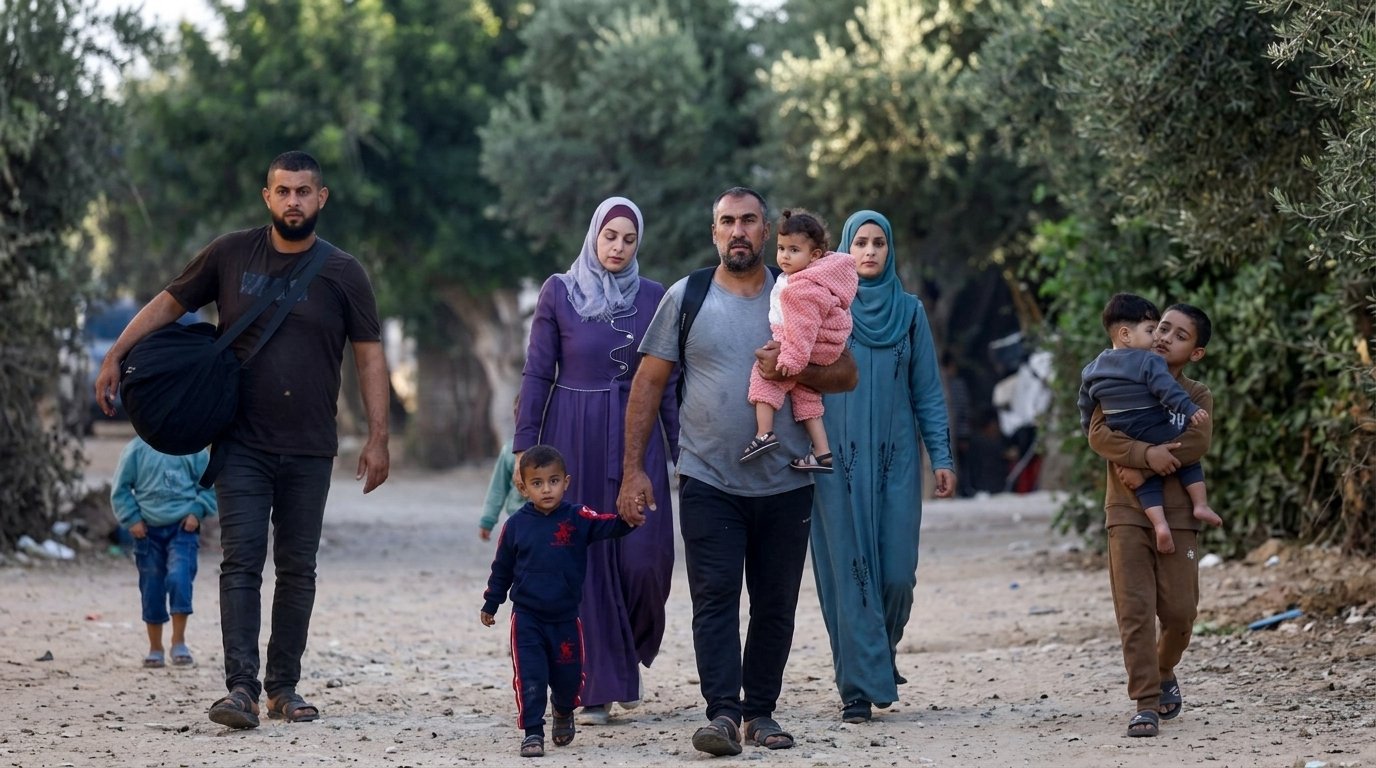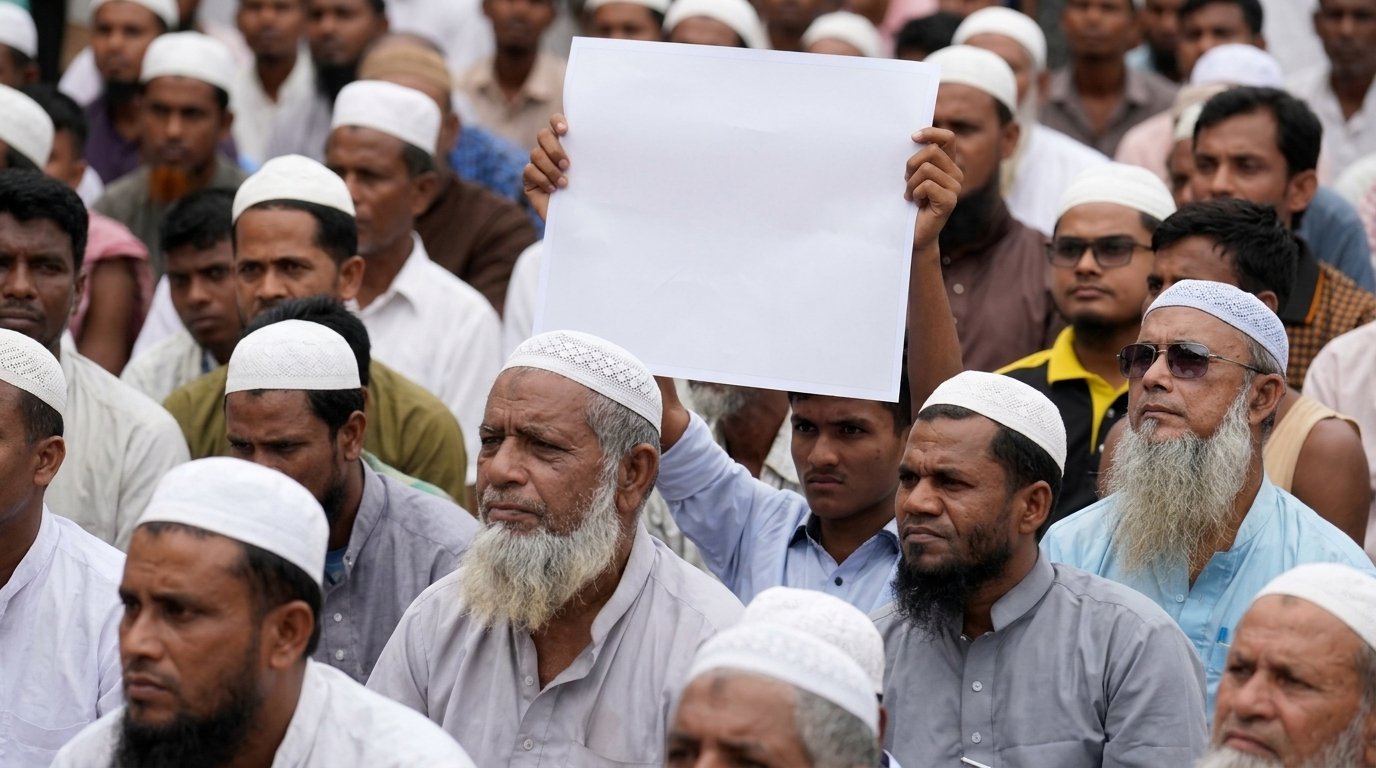
The International Court of Justice has found Myanmar legally culpable of genocide against the Rohingya minority. This historic ruling addresses the brutal 2017 military campaign that killed thousands of civilians. By reaching this verdict, the United Nations top judicial body has established legal responsibility directly against a sovereign government.
Key Takeaways
- The International Court of Justice declared Myanmar guilty of genocide regarding the 2017 military crackdown.
- Myanmar becomes the first sovereign nation ever held liable for violating the 1948 Genocide Convention.
- The landmark ruling establishes binding legal accountability for state-sponsored atrocities.
- Global observers expect this unprecedented decision to reshape international legal enforcement against offending regimes.
What Did the International Court of Justice Decide?
The International Court of Justice decided that Myanmar as a state committed genocide against its Rohingya ethnic population. The judges evaluated evidence from the violent 2017 military operations, which killed thousands of people, and concluded that the state itself breached the landmark 1948 Genocide Convention.
BBC News reported that this decision marks an unprecedented event in international law. While international tribunals previously prosecuted individual commanders or political figures for mass atrocities, this finding directly censures a member state. The ruling confirms that sovereign institutions organized systematic violence against the minority community.
- Track court compliance: Monitor diplomatic declarations and international assembly reports to observe how member states pressure Myanmar to obey the judgment.
Why Is This First State Conviction Significant?
This verdict matters because it is the first time an international court has convicted an entire state of genocide. The 1948 Genocide Convention had never produced a state-level conviction before this ruling, which fundamentally alters legal accountability for sovereign authorities.
The New York Times reported that holding Myanmar accountable under the 1948 treaty could carry broad implications across global affairs. When an international court assigns state culpability, it strips away the sovereign immunity that authoritarian regimes often rely upon. You can see how this verdict provides foreign governments with legal justification to enforce sanctions or pursue reparations.
- Review treaty mechanisms: Examine how regional trade partners adjust their diplomatic standing with countries found guilty of international treaty violations.
How Does the Verdict Impact Displaced Rohingya Communities?
The decision formally validates the experiences of Rohingya survivors living across refugee camps after fleeing the 2017 violence. By defining the atrocities as deliberate genocide rather than incidental conflict, the court gives displaced populations legal recognition and official standing in global forums.
Correspondents from The New York Times documented intense reactions inside refugee camps following the verdict. While the legal victory does not immediately return families to their homeland, it establishes an indisputable international record of state wrongdoing. The formal recognition also strengthens legal claims for humanitarian aid and long-term protection.
- Support verified relief: Direct humanitarian assistance toward established legal aid groups that document refugee testimony and defend human rights.
FAQ
Which international treaty did Myanmar violate?
Myanmar violated the 1948 Genocide Convention, which binds signatory nations to prevent and punish mass atrocities. The International Court of Justice determined that the state's actions during the 2017 military crackdown satisfied the legal criteria for genocide under the convention.
Has another state faced a similar ruling before?
No international court had ever found a sovereign state guilty of genocide prior to this historic judgment. International tribunals previously sentenced individual political or military officials for war crimes, but this ruling marks the first time an entire state bears legal culpability.
What prompted the United Nations court to act?
The legal proceedings originated after Myanmar launched a severe military offensive in 2017 against the Rohingya minority. That crackdown killed thousands of civilians and forced vast populations into displacement camps, prompting international legal bodies to scrutinize the state's systemic conduct.
This ruling reshapes international law by proving that sovereign borders cannot shield governments from accountability for mass atrocities. As global institutions digest this historic precedent, international legal pressure on offending states will continue to expand.
Stay informed with accurate, up-to-date global news coverage.
Sources
- Myanmar committed genocide against Rohingya minority, top UN court rules (BBC News): https://www.bbc.co.uk/news/articles/c804wzp20ddvo?at_medium=RSS&at_campaign=rss