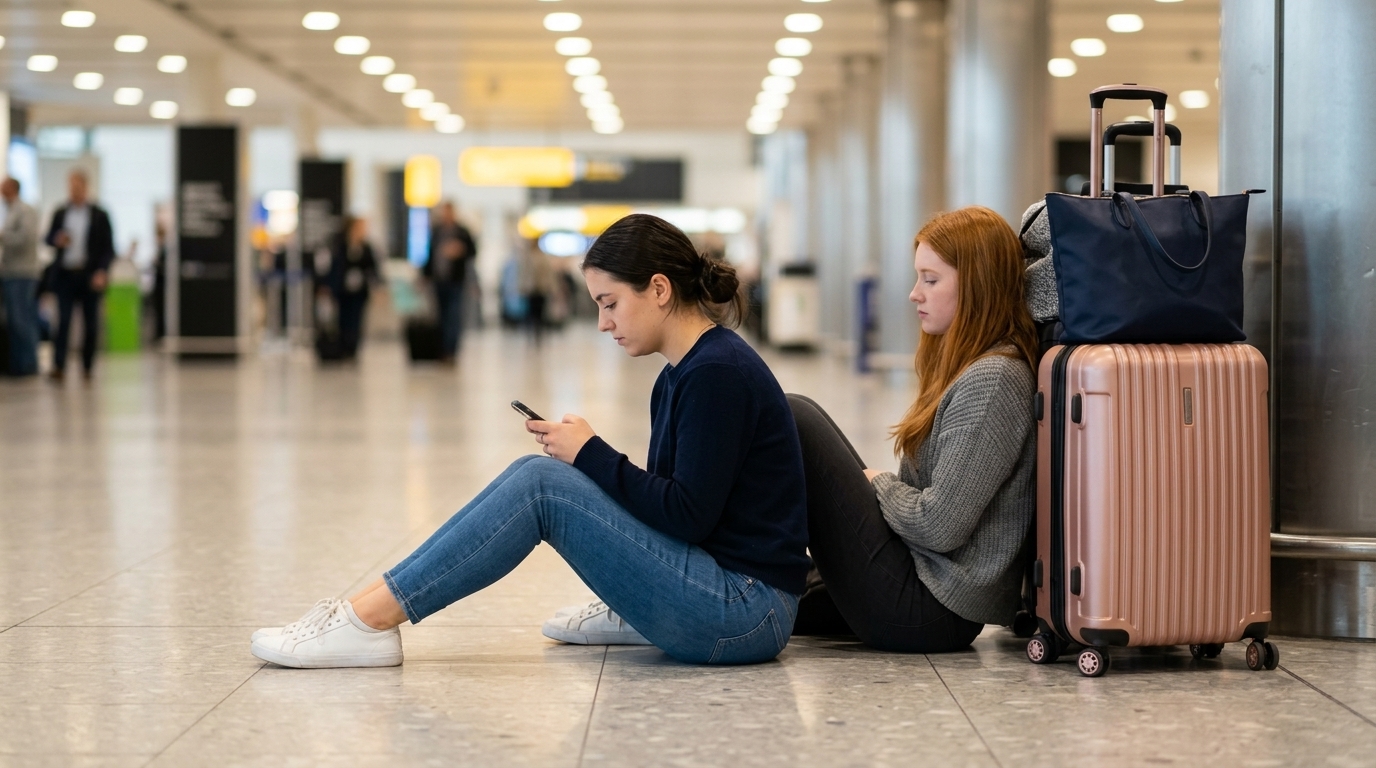
An aging equipment failure triggered a nationwide ground stop across the United States after core networks suffered severe overload. Federal Aviation Administration officials confirmed that technical breakdowns created acute communication issues rather than an external cyber assault. The resulting halt left air travelers stranded across domestic airport terminals as carriers scrambled to clear flight backlogs.
Key Takeaways
- Overloaded legacy hardware forced a nationwide ground stop across US airports.
- Federal Aviation Administration officials ruled out an external cyber-attack.
- Communication bottlenecks created immediate safety concerns for domestic departures.
- Stranded airline passengers faced widespread delays while flight controllers stabilized network hardware.
What caused the nationwide flight halt?
Aging network hardware failed under sudden operational strain, producing widespread data backlogs that overwhelmed core aviation infrastructure. Federal officials confirmed to BBC News that old equipment overloading caused the disruption rather than a malicious cyber-attack. The failure choked data flow between control centers, prompting safety managers to pause departing aircraft.
Hardware exhaustion triggers swift chaos across the national flight grid. When obsolete servers handle peak flight data, processing queues fill faster than memory clears. That bottleneck halts automated messaging between towers and operations hubs. Controllers lose real-time visibility over dispatch logs, so air traffic authorities suspend takeoffs until local systems reset safely.
- Monitor system alerts: Check carrier mobile applications directly for hardware recovery notices before traveling to departure halls.
Why did safety and communication issues prompt a complete stop?
Federal aviation regulators enforce a ground stop whenever message transmission fails between air traffic facilities and commercial flight decks. The Federal Aviation Administration identified safety and communication issues as the immediate trigger for halting departures nationwide. Without continuous data exchanges, ground teams cannot guarantee orderly separation between departing jets on crowded runways.
Aviation safety depends on absolute coordination between ground control stations. In our experience, when legacy communication links drop packets during heavy volume, safety protocols demand an immediate operational freeze. Pausing flights on the tarmac prevents airborne holding stacks and keeps aircraft securely parked until ground technicians verify every data channel.
- Verify flight status: Request immediate rebooking through airline customer service desks as soon as controllers pause local departures.
How can disrupted air travelers manage the fallout?
Passengers facing delayed departures should request rebooking or meal vouchers directly from their airlines while waiting out systemic delays. Major domestic carriers must assist customers stranded by internal infrastructure failures under federal consumer guidelines. Staying inside terminal gates without confirming seat transfers often leaves fliers stranded overnight during rolling schedule cancellations.
Travelers retain practical options when airports stall during technical outages. You should immediately explore secondary flight routings through alternate regional hubs. When thousands of fliers crowd customer service lines, digital rebooking tools in mobile apps often secure the last available seats. We've found that acting quickly keeps you ahead of massive backlog lines.
- Secure alternate seats: Contact airline phone reservation desks while simultaneously checking carrier digital apps for same-day rebooking openings.
FAQ
Was the nationwide ground stop caused by a cyber-attack?
US officials confirmed to BBC News that an external cyber-attack did not cause the system breakdown. The disruption stemmed entirely from legacy equipment overloading under routine operational pressure. Regulators found no unauthorized network intrusion or foreign sabotage behind the communications failure.
What specific problem did the Federal Aviation Administration identify?
The Federal Aviation Administration attributed the incident to safety and communication issues caused by overloaded, aging equipment. Technical failures prevented routine transmission of critical flight data across regional facilities. That loss of clear operational communication forced regulators to halt all domestic departures.
What assistance should stranded passengers request from carriers?
Stranded travelers should promptly ask airline representatives for rebooking on subsequent departures, overnight hotel accommodations, or meal vouchers. Because the halt stemmed from aviation infrastructure failure, customer support agents can reassign passengers to available partner flights to speed up their journey.
Aviation authorities must accelerate upgrades to aging communication networks to prevent recurring system failures. Ground stops will continue to trap passengers across terminal corridors unless transport officials replace obsolete processing hardware. Travelers should prepare for lingering schedule disruptions while airlines reposition aircraft and flight crews across the national network.
Stay informed with accurate, up-to-date global news coverage.
Sources
- 'We'll get home one day' - US travellers impacted by nationwide ground stop (BBC News): https://www.bbc.co.uk/news/videos/c893ryz7lw33o?at_medium=RSS&at_campaign=rss