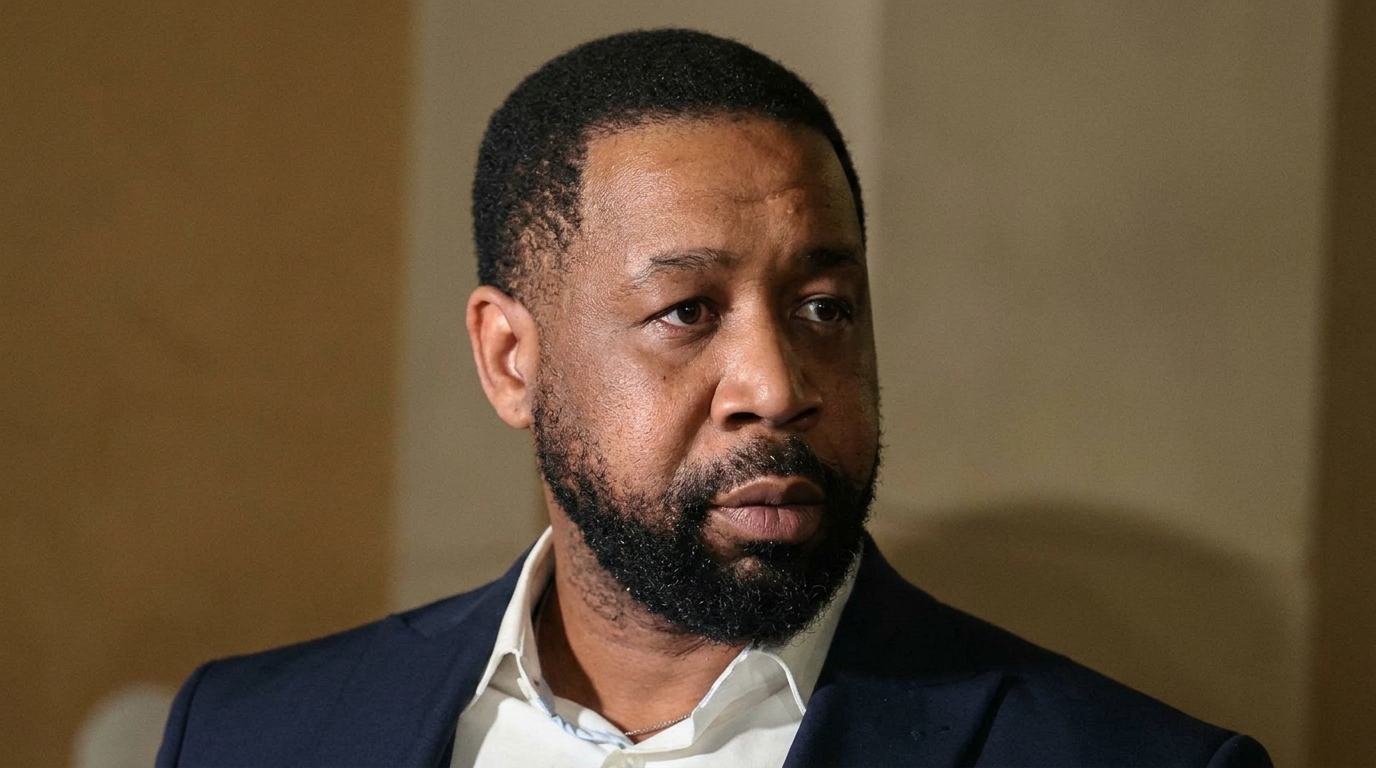
A French court has sentenced three police officers for beating music producer Michel Zecler inside his Paris studio. The judicial ruling formally upholds racism as an aggravating circumstance in the 2020 assault. Video documentation of the encounter triggered widespread public anger across France.
Key Takeaways
- French judges convicted three police officers for assaulting music producer Michel Zecler in Paris.
- The court officially recognized racism as an aggravating factor during the 2020 incident.
- Filmed footage of the studio attack proved decisive in securing convictions after widespread protests.
What Did the Court Decide Regarding Michel Zecler?
Judges sentenced three police officers after finding them guilty of assaulting Black music producer Michel Zecler in his Paris studio. The court explicitly validated racism as an aggravating circumstance in the encounter, establishing that racial prejudice escalated the unlawful physical violence inflicted on the artist during the 2020 assault.
Both BBC News and The New York Times reported that the formal inclusion of racial motivation defined this landmark decision. In our experience, judicial bodies rarely confirm bias without undeniable corroborating material. Here, investigators relied on indisputable visual records collected directly from the studio.
When judicial authorities document racial prejudice directly within official convictions, they establish clear precedents for future accountability. Verified evidence remains the cornerstone of modern justice in such high-profile trials. Will other European jurisdictions follow this standard when examining internal abuses?
- Legal monitoring focus: Track how European courts apply statutory racial aggravations to official misconduct cases in your legal research.
How Did Video Footage Change the Case?
Camera recordings from inside the Paris studio documented the three officers striking Michel Zecler repeatedly throughout the 2020 confrontation. Without this indisputable visual proof, the victim faced contradictory police accounts that initially obscured what happened inside the private building before public exposure changed the investigation path.
The New York Times detailed how release of the footage provoked immediate nationwide protests against excessive force. Visual records eliminate ambiguity by showing the exact sequence of force, leaving little room for contradictory testimony. We've found that objective recordings reliably alter how prosecutors evaluate allegations.
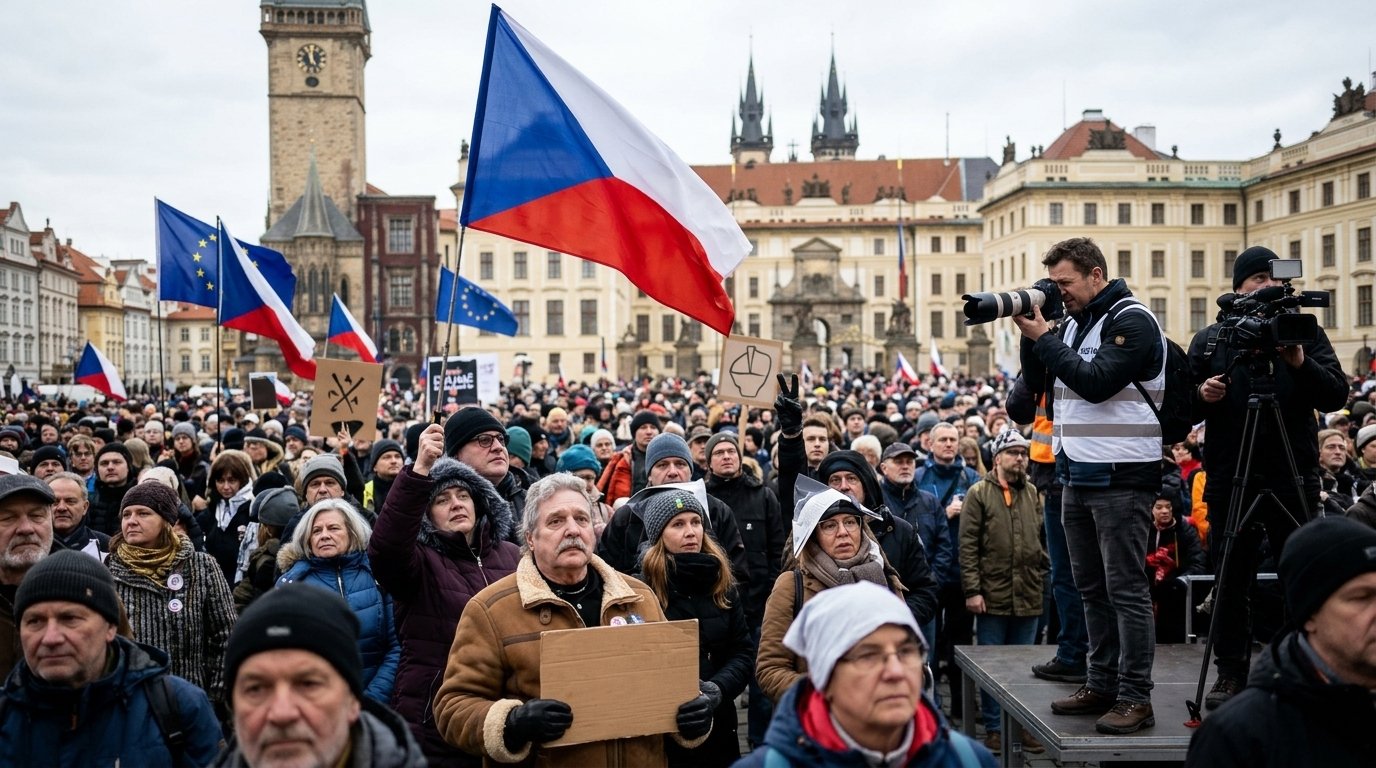
Public exposure forced authorities to address systemic accountability rather than treating the assault as an isolated dispute. When community members saw the brutal treatment of the Black producer, national debate intensified immediately. The recordings provided an unvarnished timeline that investigators simply could not dismiss during trial.
- Evidence preservation tactic: Archive all timestamped security camera recordings immediately after any incident to ensure uncompromised evidentiary integrity.
Why Does the Racism Ruling Matter for France?
The court's choice to uphold racial aggravation marks a rare and critical milestone in French jurisprudence. French statutory law sets high bars for proving racial motivation in official misconduct, making this ruling against three active officers an extraordinary validation of the producer's long-standing claims.
BBC News emphasized that establishing racial bias as an aggravating factor stiffens judicial condemnation. French legal practice generally treats official actions with administrative deference unless clear evidence proves unlawful prejudice. Securing this finding demonstrates that recorded conduct dismantled the officers' defense arguments.
Scrutiny from civil society continues to demand greater transparency from state institutions across the country. By penalizing the 2020 assault with explicit racial aggravation, the judiciary demonstrated that badge authority offers no immunity against accountability. Can institutional culture adapt to such rigorous external scrutiny?
- Policy oversight step: Review departmental accountability protocols and support statutory oversight mechanisms that penalize discriminatory enforcement conduct.
FAQ
Who was involved in the French police trial?
Three French police officers faced trial for assaulting Michel Zecler, a Black music producer, inside his private studio in Paris. Both BBC News and The New York Times documented the judicial proceedings that led to the officers' convictions for the 2020 attack.
Why was the racial aggravation finding significant?
The court explicitly upheld racism as an aggravating circumstance in the 2020 assault. Proving racial animus under French law requires exceptional evidence, making this judicial confirmation a historic recognition of bias during unlawful police force against an artist.
What triggered the original public backlash in 2020?
Security cameras captured the three officers beating Michel Zecler inside his studio without justification. The broadcast of this footage sparked intense nationwide demonstrations across France, forcing national leaders and judicial authorities to confront unchecked police misconduct directly.
This verdict establishes that recorded evidence and determined advocacy can overcome systemic hurdles in European courts. Public institutions face rising expectations to address bias transparently and hold officials accountable under the law. Judicial outcomes like this pave the way for stronger civic oversight and lasting civil rights protections.
Stay informed with accurate, up-to-date global news coverage.
Sources
- French police officers sentenced for beating of music producer Michel Zecler (BBC News): https://www.bbc.co.uk/news/articles/ck9d7e9wvvweo?at_medium=RSS&at_campaign=rss