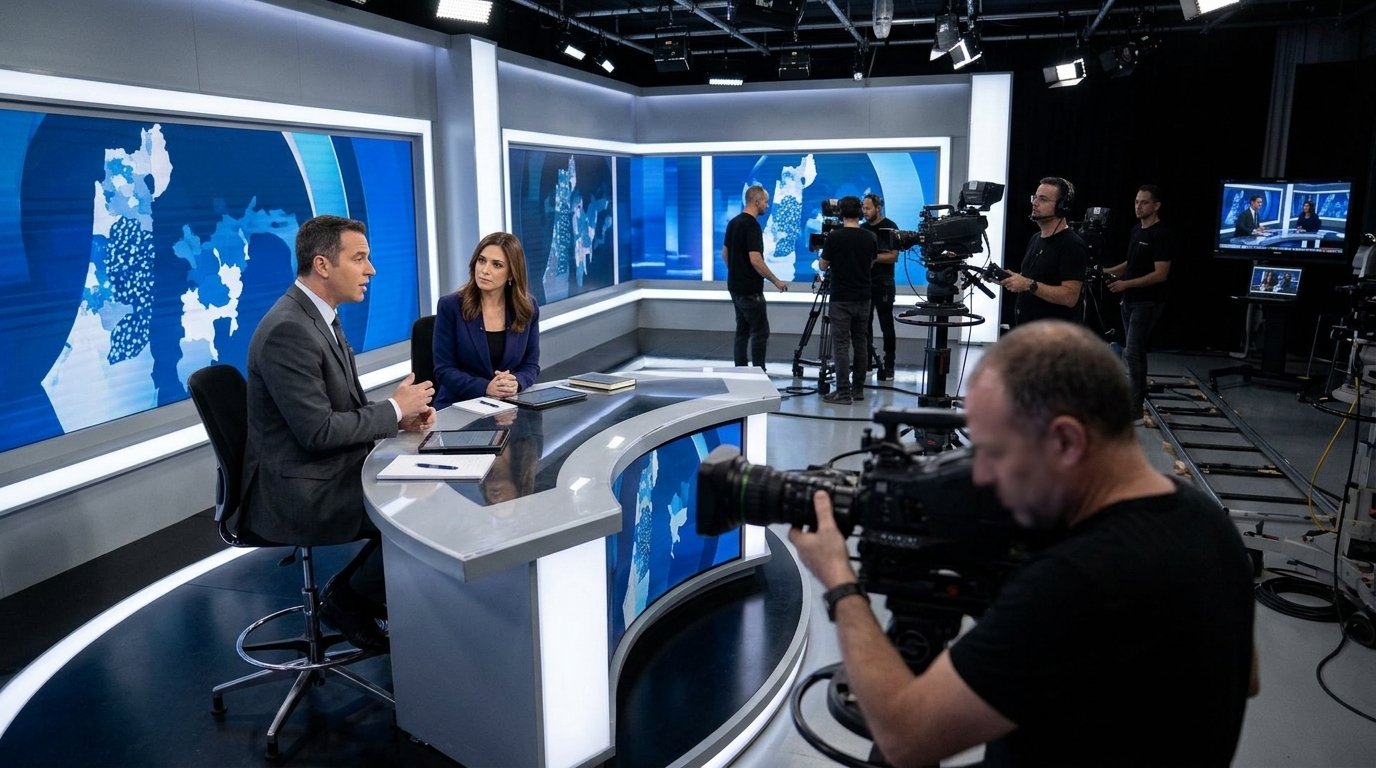
Isaac Herzog holds the statutory power to decide which leader receives the official mandate to assemble a governing majority. The New York Times reported on October 28, 2026, that this post-election selection breaks the president's traditional ceremonial neutrality. The decision sets the direction of national policy during intense regional uncertainty.
Key Takeaways
- Isaac Herzog must formally designate a candidate to build a governing coalition.
- The presidency exercises constitutional authority during post-election appointments despite its ceremonial profile.
- Economic warnings from Benjamin Netanyahu highlight internal pressure on incoming leadership.
- Millions of Palestinians remain excluded from participating in the national ballot.
How Does the Israeli Presidential Mandate Function After Balloting?
Israeli law requires President Isaac Herzog to consult parliamentary factions and designate one lawmaker to build a viable governing coalition. While the head of state typically performs symbolic functions without legislative interference, the post-election mandate grants the president substantial influence over which political bloc attempts to organize the next executive cabinet.
Under this constitutional mechanism, faction representatives present their recommendations directly to the president following the ballot. Herzog evaluates which party leader commands the clearest path to assemble an executive majority before issuing the official nomination. The selected politician then receives a strict statutory window to negotiate ministerial portfolios and secure formal parliamentary backing.
- Track official announcements: Follow presidential press releases to monitor when consultations conclude and who receives the official formation mandate.
Why Is Israel Economic Stability Under Intense Scrutiny?
National financial security has emerged as a central flashpoint following public warnings from political leaders during the campaign cycle. Benjamin Netanyahu issued a grim forecast regarding the domestic economic outlook, signaling that severe fiscal pressure and budgetary strains will test any coalition that emerges from current government negotiations.
A fractured legislative body complicates the passage of annual spending measures and fiscal reforms. When coalition negotiations drag on, state departments operate under restrictive stopgap spending limits that stifle municipal infrastructure and public programs. Investors monitor cabinet appointments closely, because fiscal discipline depends entirely on the policy platform agreed upon by coalition partners.
- Review fiscal policy statements: Examine public budget declarations from designated leaders to assess potential impacts on international investment and trade.
How Do Regional Dynamics Influence the Electoral Outcome?
The composition of the incoming government carries structural consequences across the region, particularly for Palestinians who live under Israeli authority without voting rights. The New York Times noted on October 27, 2026, that ballot results dictate administrative, security, and economic rules that govern daily Palestinian life despite their total exclusion from the electorate.
Policy directives issued by key security ministries control commercial checkpoints, municipal planning permits, and regional trade corridors. The specific parties that Herzog invites into executive governance will establish how strictly these regulatory mechanisms operate. Consequently, international observers treat the executive selection process as a critical indicator for broader Middle Eastern geopolitical stability.
- Monitor regional diplomatic cables: Observe statements from foreign ministries regarding how the upcoming coalition appointments may influence territorial administration.
FAQ
What legal authority does Isaac Herzog hold in choosing the prime minister?
The Israeli president holds explicit statutory responsibility to interview party factions after an election and appoint a candidate to form a government. Although the presidency remains primarily ceremonial throughout the legislative term, this constitutional mechanism grants Isaac Herzog decisive discretion when parliament produces fractured, inconclusive margins.
Why did the national economic forecast become an election issue?
Benjamin Netanyahu highlighted severe financial vulnerabilities during the campaign, presenting a grim assessment of the country's economic future. Ongoing political uncertainty threatens long-term budgetary planning, and markets require predictable fiscal leadership to manage domestic inflation, maintain investor confidence, and fund basic administrative services.
Who gets to vote in Israeli national elections?
Israeli citizens possess full voting rights in national elections to select members of parliament. Palestinians living in the occupied territories cannot cast ballots in these elections, even though administrative and security decisions made by the resulting Israeli government directly determine their movement, trade, and legal standing.
Political consultations continue as party leaders present their endorsements to the presidential office. Isaac Herzog now carries the task of selecting a candidate capable of managing mounting fiscal strains and regional security demands. Stay informed with accurate, up-to-date global news coverage.
Sources
- Israel’s President, Isaac Herzog, Faces a Difficult Choice (NYT > World News): https://www.nytimes.com/2026/10/28/world/middleeast/israel-election-herzog-prime-minister.html