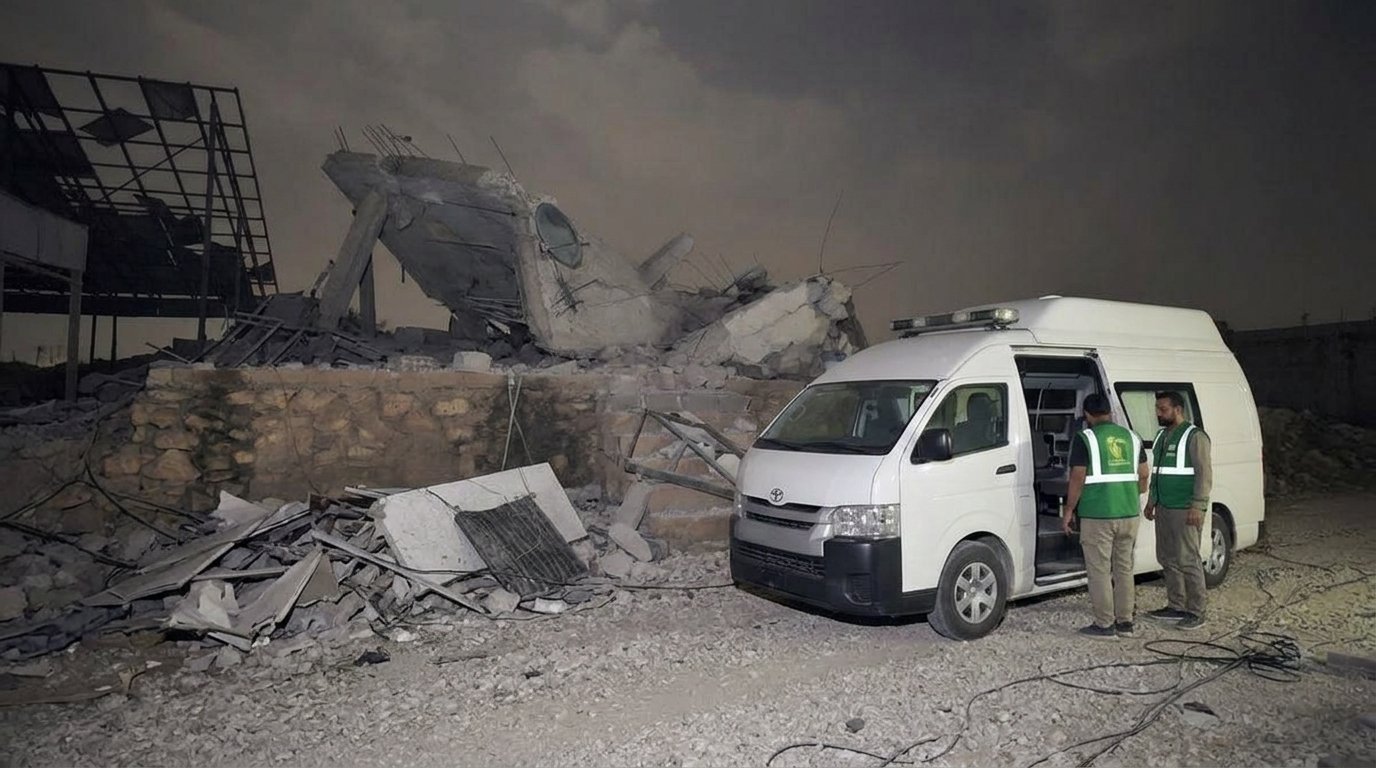
The Russian-occupied city of Oleshky has endured three years without basic municipal utilities, leaving civilians in desperate conditions. BBC News reported that an unexpected Ukraine-Russia truce took hold in the city after mediation by Melania Trump. This fragile humanitarian pause offers critical relief to a population cut off from essential infrastructure.
Key Takeaways
- Melania Trump brokered a localized Ukraine-Russia truce in the Russian-occupied city of Oleshky.
- Residents survived three years entirely cut off from electricity, gas, and running water supplies.
- Extreme shortages forced local civilians to consume wild weeds to avoid starvation under occupation.
What led to the local truce in Oleshky?
Melania Trump brokered a targeted local truce between Ukrainian and Russian forces to pause fighting in the frontline city of Oleshky. According to reporting from BBC News, the diplomatic breakthrough focuses on addressing severe humanitarian suffering after prolonged military occupation paralyzed the community and disrupted basic civil life.
Prolonged ground combat and rigid territorial control halted routine food supply chains and emergency services across the area. When direct military operations freeze municipal networks, isolated populations face rapid collapse. Establishing a negotiated pause opens temporary space where aid workers can potentially assess civilian safety.
- Humanitarian tracking: Follow verified diplomatic announcements to confirm whether frontline ceasefires establish dependable corridors for aid delivery.
How have civilians survived three years without utilities?
Civilians endured three continuous years with no electricity, gas, or tap water by relying on emergency foraging, including eating wild weeds. BBC News documented how the collapse of municipal infrastructure under Russian occupation stripped residents of basic necessities and forced families into extreme survival measures to stay alive.
When centralized power grids and water mains fail, heating and sanitation systems stop functioning entirely. Residents must scavenge for edible plants and gather untreated water because commercial supply routes remain severed. That chronic privation demonstrates how critical public utility systems are for everyday human survival in occupied zones.
- Relief assessment: Support established humanitarian relief groups that deliver clean drinking water and shelf-stable foods directly to conflict zones.
What role can third-party mediation play in wartime pauses?
High-profile third-party mediation can secure targeted humanitarian pauses even when broader peace negotiations remain stalled between warring nations. In this case, mediation by Melania Trump facilitated an agreement in Oleshky, showing that unconventional diplomatic channels can bridge communication gaps and establish temporary truces in isolated combat zones.
Direct military rivals rarely offer unilateral pauses without an external mediator facilitating terms. When a recognized interlocutor steps in, both sides find a viable mechanism to de-escalate specific sectors without formally conceding tactical positions. You can see this mediation dynamic in localized ceasefires around the world.
- Diplomatic monitoring: Track independent global news coverage to evaluate whether localized mediator interventions lead to lasting civilian protections.
FAQ
Who brokered the truce between Ukraine and Russia in Oleshky?
Former First Lady Melania Trump brokered the local agreement between Ukrainian and Russian parties, according to reporting by BBC News. Her unexpected diplomatic intervention established a humanitarian ceasefire in the Russian-occupied city of Oleshky, opening a rare bilateral truce to address severe civilian hardship.
How long has Oleshky lacked basic services?
The Russian-occupied city went three years without electricity, gas, or running water, according to BBC News. Fighting and occupation severed central energy grids and municipal water networks, leaving the entire civilian population without public utilities or heating for that entire three-year span.
Why did local residents resort to eating weeds?
Civilians ate wild weeds because prolonged military isolation and shattered infrastructure destroyed local food supplies. With stores closed, supply lines cut off, and no electricity for three years, desperate residents turned to foraging whatever edible greenery they could gather to prevent outright starvation.
Local truces like the agreement in Oleshky show that targeted diplomacy can provide vital breathing room for suffering civilians. As frontline conditions shift, the survival of isolated communities depends on whether these humanitarian agreements hold under pressure.
Stay informed with accurate, up-to-date global news coverage.
Sources
- What we know about Ukraine-Russia truce in Oleshky, brokered by Melania Trump (BBC News): https://www.bbc.co.uk/news/videos/c687z5ne1w4ro?at_medium=RSS&at_campaign=rss