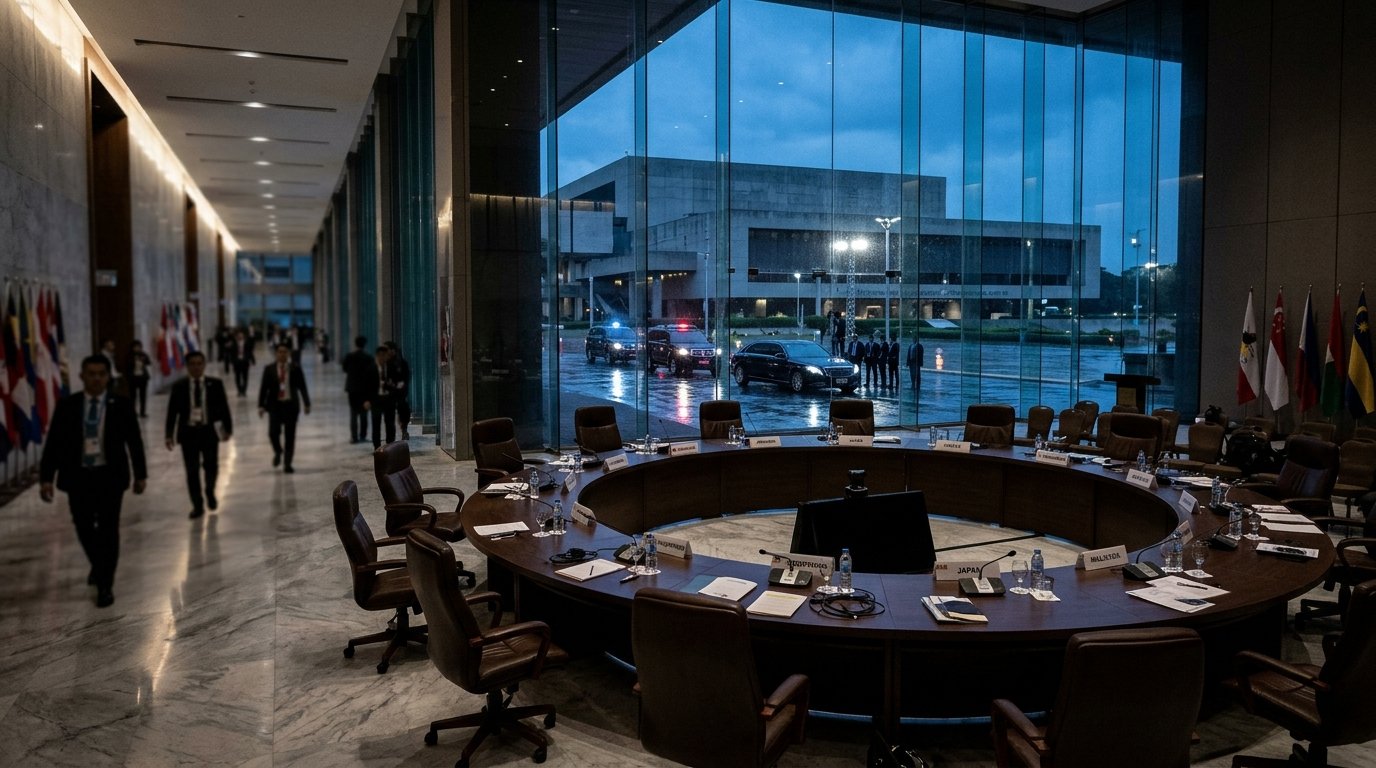
Israeli tanks crossed beyond Gaza's perimeter demarcation in a rare ground action that tests existing security agreements. The maneuver pushed military forces into territory held by Hamas to neutralize subterranean infrastructure, drawing immediate condemnation from the group over truce compliance.
Key Takeaways
- Israeli forces conducted an uncommon cross-border ground raid beyond the Gaza Yellow Line.
- Military officials stated the primary objective was targeting and dismantling a clandestine tunnel.
- Hamas condemned the armored movement as a flagrant breach of the existing ceasefire.
What Prompted the Israeli Ground Advance Beyond the Yellow Line?
Israeli armor crossed Gaza's designated demarcation boundary to neutralize an emerging subterranean position before it could threaten perimeter positions. Military authorities confirmed the operation specifically targeted a clandestine passage. They framed the armored incursion as a targeted security measure designed to eliminate direct perimeter threats rather than an attempt to hold ground permanently.
Reporting from BBC News and The New York Times indicated that tanks pushed into territory administered by Hamas during the limited raid. Ground forces moved directly toward suspected subterranean routes to disrupt operational passageways. You can see how fast tactical strikes can redefine boundary boundaries when perimeter detection systems flag subterranean movement.
- Track border announcements: Monitor official perimeter statements from regional defense authorities to separate temporary tactical sweeps from permanent territorial redeployments.
Why Are Subterranean Tunnels Driving Operational Decisions?
Underground corridors represent a critical security challenge along frontier zones because they allow forces to bypass surface surveillance and defensive barriers. Operating forces focus heavily on demolishing subterranean infrastructure to deny adversaries concealed transit routes. By destroying these structural links, defense units attempt to prevent covert movement beneath fortified boundary demarcation corridors.
Military representatives stated that the specific objective involved dismantling a terror tunnel that posed an immediate hazard to operational security. Clearing deep underground works demands specialized heavy equipment and armored support, which explains why tracked units crossed beyond the boundary. In our experience, operations targeting underground corridors always heighten tension because defensive forces must move across established perimeter sectors.
- Review operational briefs: Study official military defense debriefs to evaluate how subterranean counter-measures alter tactical deployments across sensitive frontier lines.
How Does the Incursion Threaten Current Ceasefire Stability?
Ceasefire arrangements depend on strict adherence to established boundary limits, making any armored crossing an acute political flashpoint. Hamas officials swiftly condemned the movement as a flagrant violation of the agreed truce. When armored units advance across cease-fire lines, political trust dissolves quickly and raises the risk of wider retaliatory skirmishes across surrounding communities.
Diplomatic pacts struggle to hold whenever one party justifies border incursions by citing tactical self-defense against subterranean positions. The dispute exposes the fragile mechanics of truce enforcement when operational definitions of immediate threats clash with territorial boundaries. Observers watching international affairs recognize that single localized breaches often trigger escalating responses unless neutral oversight intervenes promptly.
- Check ceasefire monitoring: Follow verified diplomatic statements from international monitors to assess whether cross-line maneuvers trigger reciprocal security actions.
FAQ
What was the stated purpose of the Israeli military raid?
Military authorities reported that the cross-border operation aimed to eliminate a clandestine tunnel located past the frontier line. They described the mission as a limited tactical raid designed to remove an immediate security threat within territory administered by Hamas, rather than an effort to occupy additional land.
How did Hamas react to the armored crossing into Gaza?
Hamas representatives immediately condemned the military incursion, calling the movement of tanks beyond the demarcation line a flagrant violation of the truce. The faction emphasized that sending ground forces across the recognized ceasefire line directly undermines the stability of agreed operational boundaries between the conflicting parties.
Which news organizations confirmed the ground operation?
Both BBC News and The New York Times reported on the rare incursion. The outlets documented the advance of Israeli armored units past the Yellow Line into Hamas-controlled territory and highlighted the conflicting narratives regarding whether security needs justified breaking demarcation protocols.
Border friction along Gaza's perimeter continues to test the resilience of regional security protocols. Maintaining diplomatic stability will require clear definitions of truce boundaries to prevent tactical defense missions from spiraling into broader armed confrontations.
Stay informed with accurate, up-to-date global news coverage.
Sources
- Israeli military launches rare ground operation in Gaza beyond Yellow Line (BBC News): https://www.bbc.co.uk/news/articles/cw8r7510degno?at_medium=RSS&at_campaign=rss