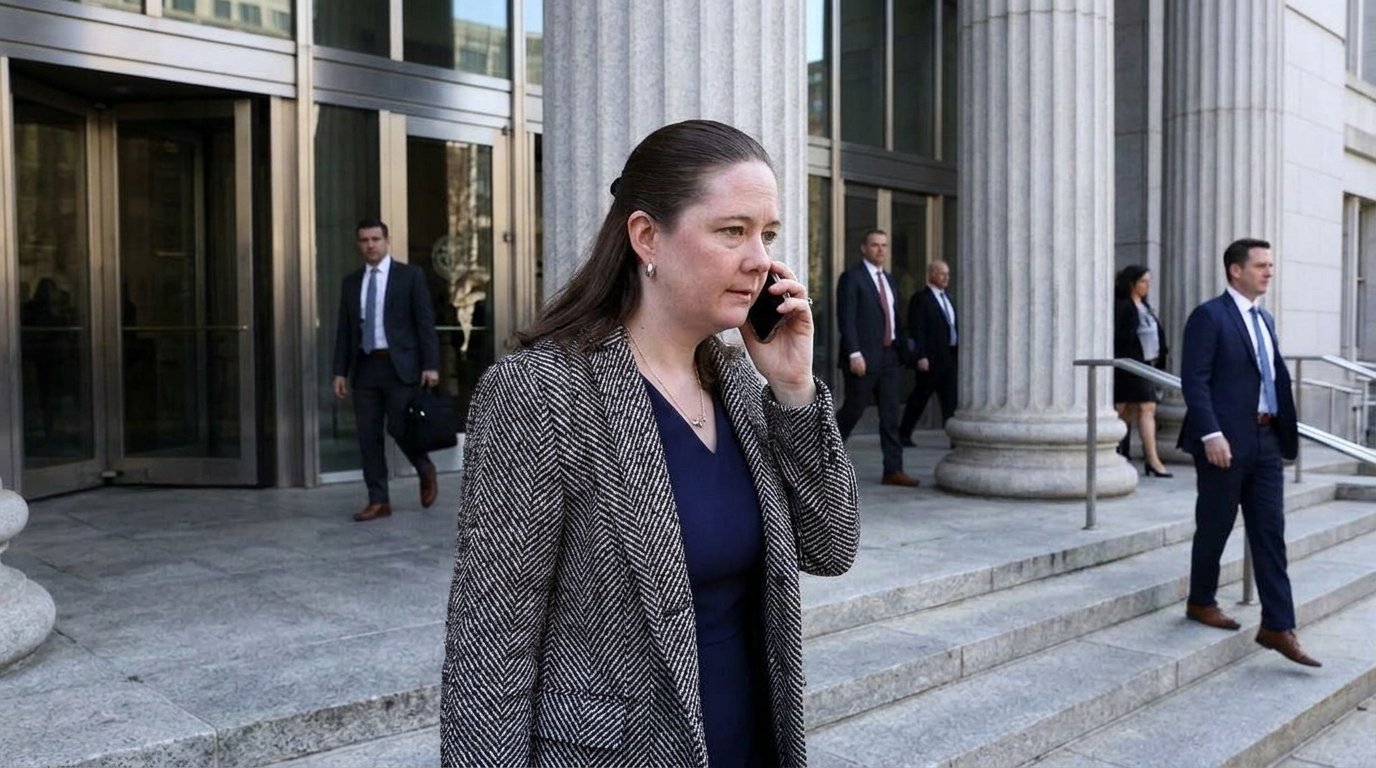
Former FBI director James Comey faces federal criminal charges for the third time, marking another chapter of legal scrutiny for the former bureau leader. BBC News reported that the case centers on allegations involving unauthorized disclosures of sensitive government records. Legal defense teams are preparing to contest the indictment vigorously in open court.
Key Takeaways
- Former FBI director James Comey faces federal charges for the third time.
- BBC News reported the indictment stems from classified disclosures to the New York Times in 2016.
- Defense attorneys argue the case targets protected communications rather than criminal activity.
- The proceedings will evaluate legal limits on handling sensitive government documents.
What Do the New Federal Charges Against James Comey Involve?
Federal prosecutors have filed criminal charges against former FBI director James Comey for the third time, centering the case on alleged disclosures of classified material. As BBC News reported, his defense counsel maintains that the proceedings focus on information shared with the New York Times back in 2016 rather than criminal leaks.
In our experience, federal indictments concerning classified records require prosecutors to demonstrate intentional mishandling of sensitive files. The government must establish that specific documents met classification standards when individuals shared them. When agencies initiate prosecution for a third time, defense teams examine whether administrative procedures followed statutory safeguards or exceeded constitutional boundaries.
Legal teams must evaluate how charging documents define sensitive information. Prosecutors build cases around specific transfers of knowledge, while defense attorneys scrutinize whether the underlying material caused harm to national security interests during that period. How far can federal oversight reach when examining interactions that took place years in the past?
- Track legal filings: Review public court records to monitor how judges define the classification status of disputed records.
How Does the Alleged 2016 Media Disclosure Drive the Case?
The core dispute originates from communications between government officials and journalists that occurred in 2016. BBC News reported that defense attorneys trace the present charges directly to interactions with the New York Times. Prosecutors assert that these conversations crossed legal boundaries, while attorneys argue the discussions involved routine public disclosures rather than security violations.
When government personnel interact with major media outlets, disputes often arise over what constitutes authorized background briefing versus unlawful dissemination. In our experience, prosecutors examine exact timelines to determine whether materials carried restrictive markings. If someone provides details without explicit clearance, investigators treat the transmission as an actionable security breach.
It's common for defense teams to challenge retroactive classifications. Lawyers frequently argue that officials declassified disputed details before conversations took place. This defense strategy attempts to dissolve the legal basis of the government charges before a jury ever evaluates the underlying evidence.
- Monitor evidentiary hearings: Check public court schedules to observe how defense motions address early media disclosures.
What Legal Hurdles Await Prosecutors and the Defense?
Both legal teams face substantial evidentiary hurdles as this third federal case moves forward in court. Prosecutors must substantiate intentional violations regarding classified documents from 2016, while defense lawyers prepare to challenge the legal viability of repetitive charging actions that target long-standing public interactions reported by BBC News.
We've found that prolonged timelines complicate criminal prosecutions. Memories fade, official records scatter, and administrative guidelines change over multiple years. Prosecutors must establish continuous chains of custody for decade-old evidence, showing that specific records stayed protected throughout the entire period. Any missing documentation weakens the prosecution's central argument.
Defense counsel will likely press motions seeking dismissal on procedural grounds. When an individual faces federal charges for a third time, courts review whether successive indictments place an undue burden on the accused. You will see defense arguments focus heavily on statutory limits and prosecutorial discretion.
- Follow procedural steps: Track upcoming preliminary rulings to see whether judges permit the government case to proceed.
FAQ
Why does James Comey face federal charges for the third time?
Federal authorities filed charges against James Comey for a third time over allegations that he disclosed classified information, according to BBC News. His attorneys stated that the charges connect directly to interactions with the New York Times in 2016, which the defense claims did not violate criminal statutes.
What role does the New York Times play in this indictment?
BBC News reported that Comey's lawyers identified disclosures to the New York Times in 2016 as the central event behind the charges. Prosecutors claim that confidential government records were improperly shared during those press contacts, while the defense argues the discussions remained within authorized official conduct.
How do defense lawyers plan to challenge the federal indictment?
Defense attorneys argue that the case against James Comey lacks criminal foundation because the discussions with reporters in 2016 did not compromise classified operations, as reported by BBC News. They will likely question the timing of the prosecution and challenge whether the shared material actually required protection.
Legal battles involving former federal directors establish critical standards for government transparency and official conduct. Watching how courts resolve these charges will clarify how authorities enforce classification protocols years after public disclosures occur.
Stay informed with accurate, up-to-date global news coverage.
Sources
- Ex-FBI chief James Comey faces federal charges for third time (BBC News): https://www.bbc.co.uk/news/articles/ckly0xqjnlwvo?at_medium=RSS&at_campaign=rss