

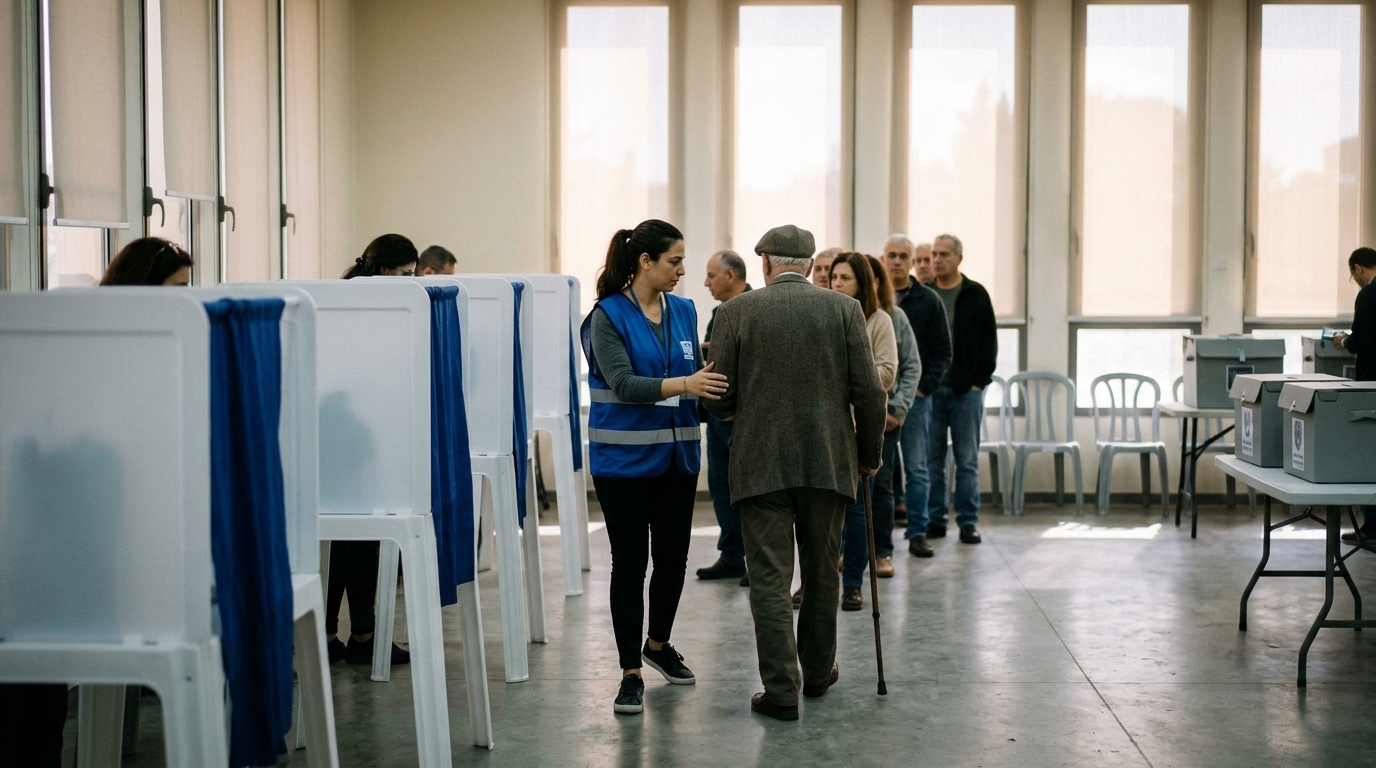
Israelis cast their ballots on Tuesday in a nationwide vote to determine the country's next prime minister. As BBC News diplomatic correspondent James Landale reported from Jerusalem, the outcome carries major consequences for Gaza and global diplomacy. The race highlights severe domestic friction after an intense campaign defined by security disputes and shifting alliances.
Key Takeaways
- Israeli voters head to polling stations on Tuesday to pick their next government, though coalition negotiations may take months.
- Deep political divisions split former allies, including ultranationalists Itamar Ben-Gvir and Bezalel Smotrich running on separate slates.
- Campaign disputes over national security failures and artificial intelligence messaging shaped the contest before voting began.
Why Does This Vote Matter for Regional Security and Gaza?
This election directly shapes how Jerusalem manages defense policy and diplomatic negotiations across Gaza and neighboring borders. The new prime minister must immediately confront regional military strains, international scrutiny, and volatile border security. Decisions made by the incoming coalition will establish whether military campaigns continue at current intensity or shift toward diplomatic settlements.
Foreign observers follow the results closely because Israeli coalition partners control defense policy. As The New York Times reported, the campaign centered on accusations regarding security failures alongside debates over future stability. With alliances shifting constantly, what foreign capital can predict the final cabinet makeup? In our experience watching foreign elections, splintered legislative seats create fragile policies that complicate regional peace talks.
- Diplomatic outcome tracking: Follow the formal parliamentary coalition agreements over the coming weeks to identify which party secures control over defense and international negotiations.
How Did Fractured Alliances Reshape the Campaign?
The campaign broke apart historic partnerships, leaving major party leaders to fight independently for seats in the legislature. Ultranationalist figures Itamar Ben-Gvir and Bezalel Smotrich abandoned their previous joint slate, which Benjamin Netanyahu had previously brokered. Their separation fragments the right-wing vote and forces individual parties to compete directly against former cabinet colleagues.
Parties deployed aggressive media strategies to survive this split. The New York Times noted that a contentious artificial intelligence video and bitter accusations over past security lapses dominated campaign coverage. When allied factions separate, they attack each other to cross electoral thresholds. This intense fighting leaves little room for compromise once leaders enter the negotiating room to assemble an executive majority.
- Legislative slate analysis: Check final party vote tallies to determine if separate slates retain sufficient individual support to clear parliamentary thresholds and enter coalition bargaining.
What Happens Next in the Government Formation Process?
Voting ends when ballot boxes close on Tuesday, but the formal government formation process takes weeks, months, or longer. The chosen prime minister must stitch together multiple political factions to secure a working majority. Because deep personal rivalries divide the candidates, talks frequently stall before any faction signs a formal coalition agreement.
Securing a majority requires extensive compromises on ministerial appointments and policy agendas. With leaders like Benjamin Netanyahu working amid splintered factions, negotiations will test whether rivals can unite. We have found that long coalition talks create interim governing periods where acting officials manage foreign policy without clear legislative mandates, which slows major diplomatic decisions.
- Coalition timeline monitoring: Track the official mandate periods granted to prospective prime ministers to see if party chiefs build a governing majority or head toward another deadlock.
FAQ
When will the official election results lead to a new government?
While voting concludes on Tuesday, establishing an active government frequently takes weeks, months, or longer according to reporting from The New York Times. The prospective prime minister must negotiate ministerial roles with rival party leaders to assemble a stable working majority before taking office.
Why did Itamar Ben-Gvir and Bezalel Smotrich run separately?
Itamar Ben-Gvir and Bezalel Smotrich lead separate ultranationalist factions that chose to run independently rather than renew their previous joint ticket. While Benjamin Netanyahu brokered their union in earlier campaigns, their distinct slates forced each leader to pursue individual support during Tuesday's vote.
What role did security issues play in the campaign?
Accusations concerning defense and security failures stood at the core of the electoral debate. Parties traded blame over border protection and strategic readiness, while contentious campaign tools, including an artificial intelligence video, heightened public scrutiny over how candidates plan to manage national defense.
The outcome of Tuesday's vote sets the direction for Israeli domestic governance and Middle Eastern diplomacy. As party leaders tally their numbers, the real struggle moves behind closed doors, where negotiators will spend weeks determining who holds true political power.
Stay informed with accurate, up-to-date global news coverage.
Sources
- What does Israel's election mean for Gaza and the wider world? (BBC News): https://www.bbc.co.uk/news/videos/ck240dg5n4gjo?at_medium=RSS&at_campaign=rss