
Ukrainian officials have rebuffed demands from President Trump to stop direct attacks against Russian oil refineries. President Volodymyr Zelensky maintained that Ukraine won't cease its strikes until Russia halts its own attacks against Ukrainian infrastructure. This strategic standoff underscores how critical energy facilities remain during wartime negotiations.
Key Takeaways
- President Trump condemned Ukrainian military strikes directed at Russian oil refineries.
- President Volodymyr Zelensky stated Ukraine will only stop refinery attacks if Russia ceases energy strikes.
- Bilateral negotiations face renewed tension as infrastructure strikes disrupt cross-border fuel supplies and political alignment.
Why Did Trump Criticize the Ukrainian Refinery Strikes?
President Trump lashed out at Ukrainian leadership because strikes on Russian refineries threaten broader energy flows and complicate diplomatic negotiations. Washington argued that destroying refining capacity produces economic shockwaves across international petroleum markets. The administration sought an immediate pause to prevent price volatility and stabilize regional fuel supplies.
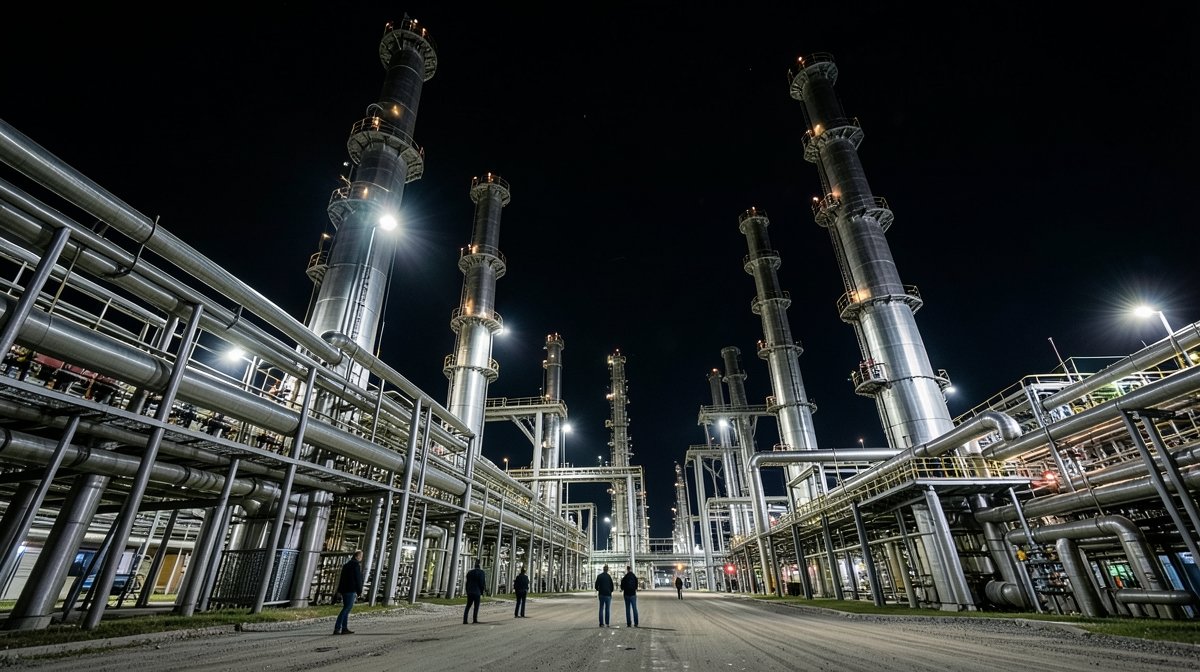
Striking crude processing hubs directly degrades an adversary's operational logistics. When a refinery suffers damage, distillation units stop converting raw petroleum into usable transport fuel. This bottleneck starves mechanized units of essential diesel while depriving regional markets of refined products, creating immediate economic stress for the defending government and its trade partners.
- Monitor policy statements: Track official diplomatic statements to anticipate sudden adjustments in bilateral military assistance and allied energy policies.
What Conditions Did Zelensky Set for a Ceasefire on Energy?
President Volodymyr Zelensky responded to American pressure by demanding complete reciprocity before ordering any halt to Ukrainian operations. Ukraine will suspend attacks against Russian petroleum facilities only if Moscow halts its systematic assaults on Ukrainian energy systems. Zelensky made clear that unilateral restraint won't offer strategic protection for his country.
Reciprocal deterrence functions by ensuring that offensive actions carry an immediate, painful cost for the aggressor. If one side halts strikes while the other continues targeting power plants, the defensive imbalance quickly worsens. Ukrainian commanders view refinery strikes as their primary tool to compel an enemy cessation of strikes on domestic power grids.
- Assess reciprocal commitments: Verify whether proposed diplomatic compromises contain enforceable terms requiring simultaneous operational halts from both combatants.
How Do Infrastructure Strikes Shift Wartime Bargaining Power?
Targeting industrial facilities transforms a localized military conflict into an expansive economic pressure campaign. By knocking processing units offline, Ukrainian forces reduce the revenue available for military spending and restrict fuel needed for frontline transports. This physical disruption pressures political leaders to reconsider the sustainability of their prolonged military campaigns.
Fuel shortages reverberate far beyond military vehicle columns into commercial freight and civilian transit networks. In our experience, when processing plants sustain persistent structural damage, supply lines fragment and repairs don't happen quickly. Can external political pressure genuinely alter military doctrine when vital domestic infrastructure remains under direct daily threat?
- Track operational disruptions: Follow public reporting on processing capacity disruptions to gauge the actual economic impact of cross-border infrastructure campaigns.
FAQ
What triggered the recent friction between Trump and Zelensky?
President Trump publicly criticized President Volodymyr Zelensky for authorizing strikes against oil refineries across Russia. Trump argued that these operations disrupt fuel markets, while Zelensky insisted that Ukraine cannot halt defensive strikes unilaterally without matching commitments from Russia.
Why is Ukraine focusing on Russian oil refineries?
Refineries produce the diesel and gasoline necessary to run military vehicles and maintain commercial transport. Damaging these plants restricts fuel deliveries to combat units, reduces export revenues, and forces Russian leadership to divert critical air defenses toward domestic industrial facilities.
Will Ukraine stop targeting energy infrastructure soon?
President Zelensky explicitly stated that Ukrainian forces will stop targeting Russian refineries only when Russia ceases its own strikes against Ukrainian energy infrastructure. Until a mutual agreement takes effect, Ukraine intends to maintain its strike campaign against critical processing sites.
Wartime energy policy highlights the growing friction between battlefield strategy and international diplomacy. As both nations continue targeting industrial facilities, achieving lasting stability requires verifiable reciprocity rather than unilateral concessions.
Stay informed with accurate, up-to-date global news coverage.
Sources
- Ukraine Shrugs Off Trump Call to Ditch Zelensky for Energy Strikes (NYT > World News): https://www.nytimes.com/2026/10/11/world/europe/trump-zelensky-diesel-energy-russia-.html