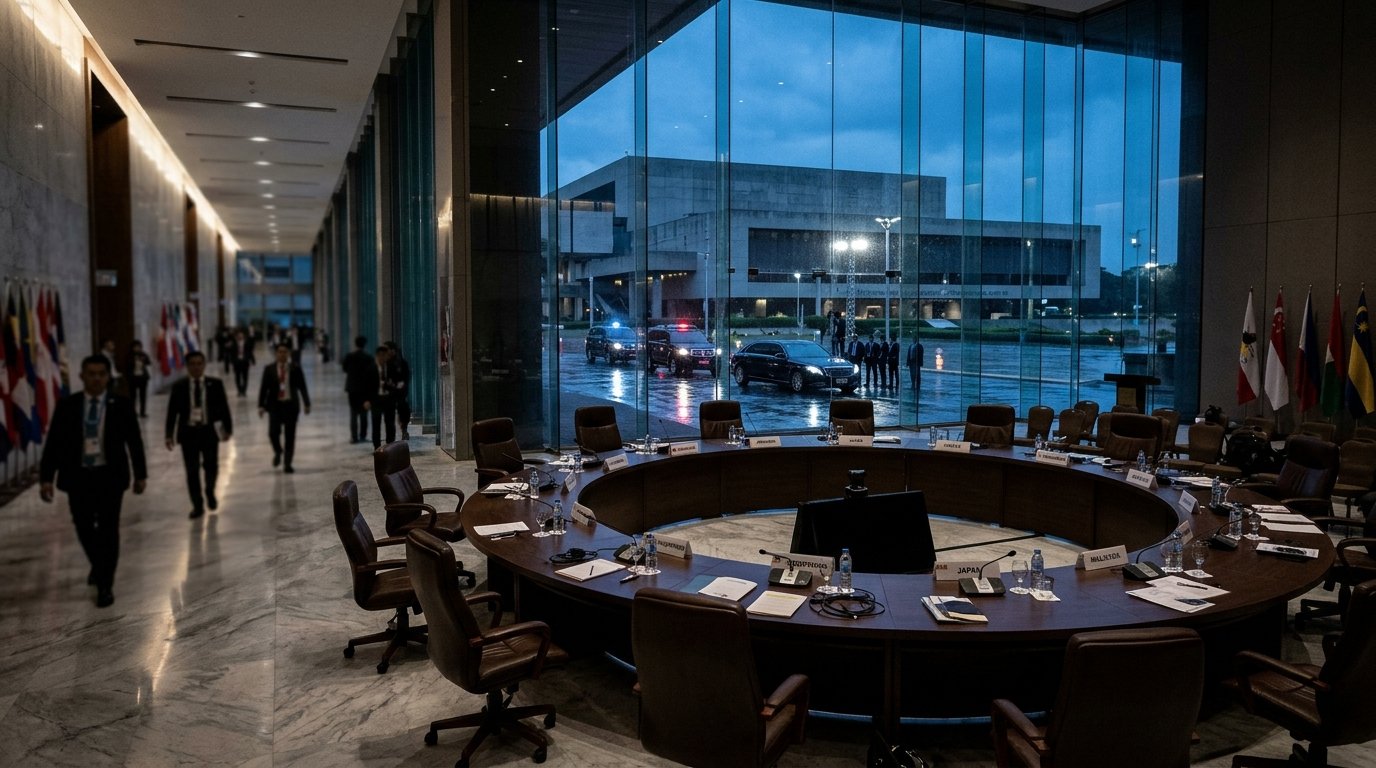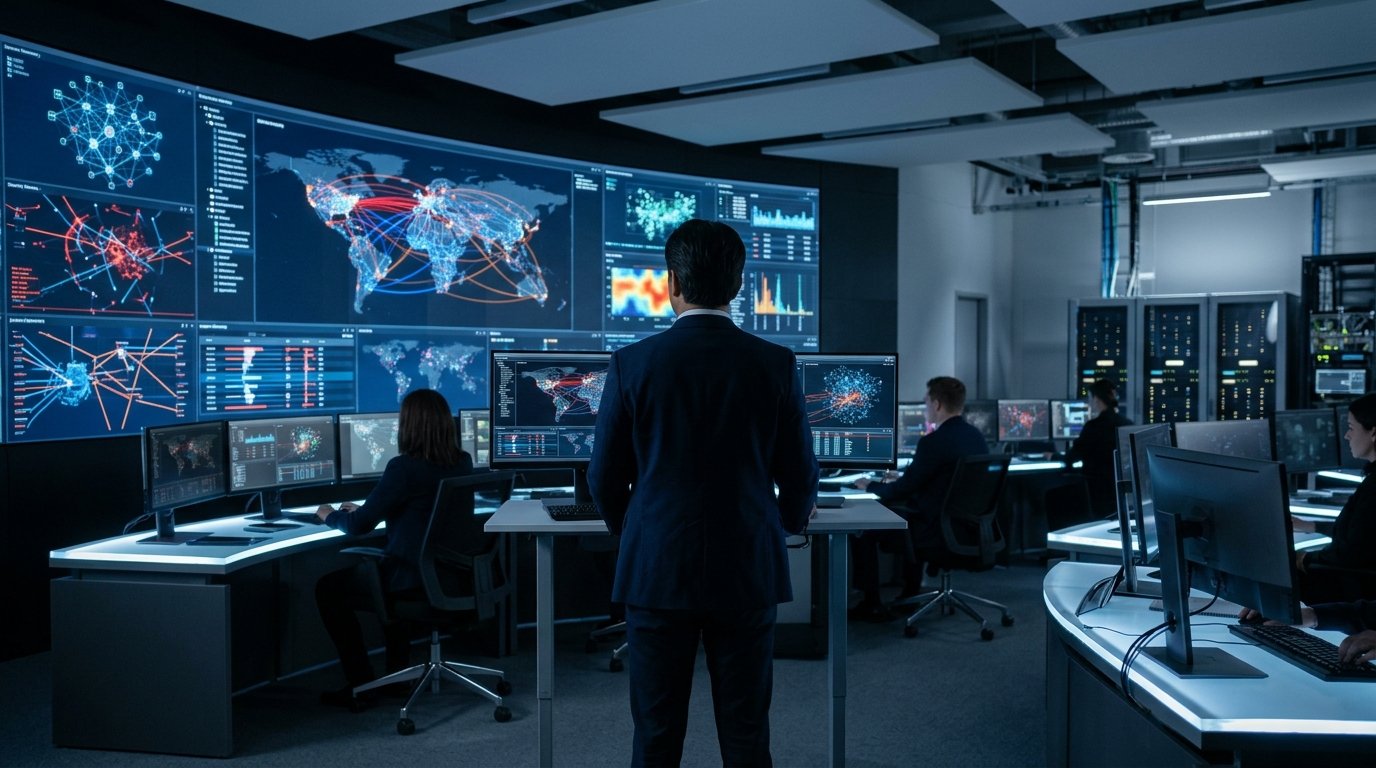
Secretary of State Marco Rubio confirmed there is zero evidence connecting recent disruptions across Microsoft, major banks, and flight operations. Officials found that viral claims pointing to a coordinated cyber offensive lack factual backing. Unrelated technical breakdowns often happen in close succession without a shared foreign or domestic adversary causing them.
Key Takeaways
- Zero evidence connects recent technical disruptions across airlines, banking systems, and Microsoft.
- Secretary of State Marco Rubio confirmed the incidents do not represent a systemic cyberattack.
- Independent software faults and routine operational failures frequently coincide without hostile coordination.
- Official federal assessments advise monitoring verified incident bulletins rather than speculative online commentary.
Why Are Recent Outages Unrelated to a Systemic Attack?
Rubio stated plainly that investigators see zero proof linking concurrent failures in commercial aviation, consumer banking, and Microsoft infrastructure. These platforms operate on distinct architectures, meaning simultaneous downtime typically stems from internal deployment bugs or vendor maintenance rather than an orchestrated hostile strike against national networks.
When major cloud providers push bad configuration tables, dependent services collapse quickly. A misconfigured routing update or corrupted authentication package will knock offline unrelated banking portals and airline scheduling desks within minutes. What looks like a coordinated siege from the outside is often just separate companies suffering ordinary operational friction on the same morning.
Independent technical outages frequently cluster together because modern digital infrastructure shares common backbone protocols and third-party tools. If two unrelated companies update standard security software at similar intervals, both can experience concurrent crashes. That mechanical reality explains widespread friction without requiring a hostile nation to trigger synchronized digital sabotage.
- System monitoring: Track vendor status dashboards and verified status pages rather than social media chatter during operational disruptions.
How Do Online Rumors Inflate Routine Disruptions?
Viral speculation spreads rapidly during infrastructure failures because public confusion fills information gaps before technical post-mortems appear. When flights delay alongside inaccessible banking applications, social media users instinctively connect distinct events into a single grand narrative, even when federal findings demonstrate that zero operational links exist between those separate disruptions.
In our experience, fear amplifies whenever routine daily tasks suddenly stall at once. An individual unable to scan a boarding pass or transfer money searches for broad explanations immediately. Malicious actors and engagement-seeking accounts capitalize on that anxiety, pushing unverified claims of coordinated sabotage that force high-ranking officials to step forward and correct the record.
BBC News reported Rubio's assessment that online theories linking these disruptions lack any supporting evidence. Official agencies conduct deep telemetry audits before declaring a national security incident. When engineers inspect server traces, they look for shared malicious payloads or persistent threat groups, neither of which surfaced during these recent service interruptions.
- Source verification: Rely strictly on formal reports from responsible government agencies and service providers before sharing alarming outage theories.
What Should Organizations Do During Major Technical Failures?
Organizations must maintain independent recovery procedures to keep vital operations running whenever core services fail unexpectedly. Rubio clarified that the United States is not under systemic assault, meaning enterprise IT teams should concentrate resources on internal software rollbacks, circuit isolation, and clear client communications rather than preparing for wartime cyber defenses.
Resilience depends on isolating dependencies so that one failing software module cannot paralyze an entire enterprise. If your payment processing pipeline or flight dispatch desk freezes, your local fallback system should preserve baseline operations. Companies that test manual failover steps avoid prolonged operational freezes when cloud partners suffer momentary server drops.
- Incident response: Test offline continuity protocols quarterly so your staff can process transactions and assist clients during unlinked external outages.
FAQ
Did Marco Rubio confirm a cyberattack caused recent tech outages?
Rubio explicitly denied that a coordinated cyberattack caused the disruptions, stating that investigators found zero evidence linking problems at Microsoft, commercial banks, and airlines. Official assessments confirmed that the events were unlinked operational failures rather than an orchestrated hostile campaign targeting critical American infrastructure.
Why did flight cancellations and banking delays happen at the same time?
Independent technical problems often coincide by chance, especially when corporate IT teams deploy scheduled software maintenance or server updates around similar windows. Because thousands of enterprises rely on common platforms, isolated internal glitches can create the false impression of an organized, nationwide incident.
How can businesses verify if an outage is a national security event?
Businesses should consult formal advisories from government agencies and direct incident bulletins from their software vendors rather than unverified online commentary. Federal security agencies publish verified alerts whenever state actors threaten national networks, providing actionable mitigation steps based on technical telemetry.
Technical breakdowns remain inevitable across complex computer networks, but conflating coincidental downtime with coordinated foreign aggression only generates unnecessary public alarm. As federal assessments clarify that zero evidence supports systemic threat theories, organizations can focus their energy where it counts: building redundant architecture, enforcing testing protocols, and verifying facts before jumping to hostile conclusions.
Stay informed with accurate, up-to-date global news coverage.
Sources
- Rubio says US not 'under systemic attack' after series of tech outages (BBC News): https://www.bbc.co.uk/news/articles/crkgvxxwpwz2o?at_medium=RSS&at_campaign=rss