
Police in France detained more than 1,000 demonstrators after street clashes, arson, and commercial looting swept multiple cities nationwide. More than half a million citizens joined demonstrations focused on surging living costs, according to BBC News reporting. The rapid escalation highlights how quickly broad financial discontent can spill into open civil disruption across urban centers.
Key Takeaways
- Over half a million demonstrators joined national rallies protesting rising living costs across French urban areas.
- Police arrested more than 1,000 individuals following incidents of widespread commercial looting and severe property destruction.
- Local officials, including 53-year-old mayor Bally Bagayoko, became prominent figures alongside student marches.
Why did cost of living rallies trigger nationwide unrest?
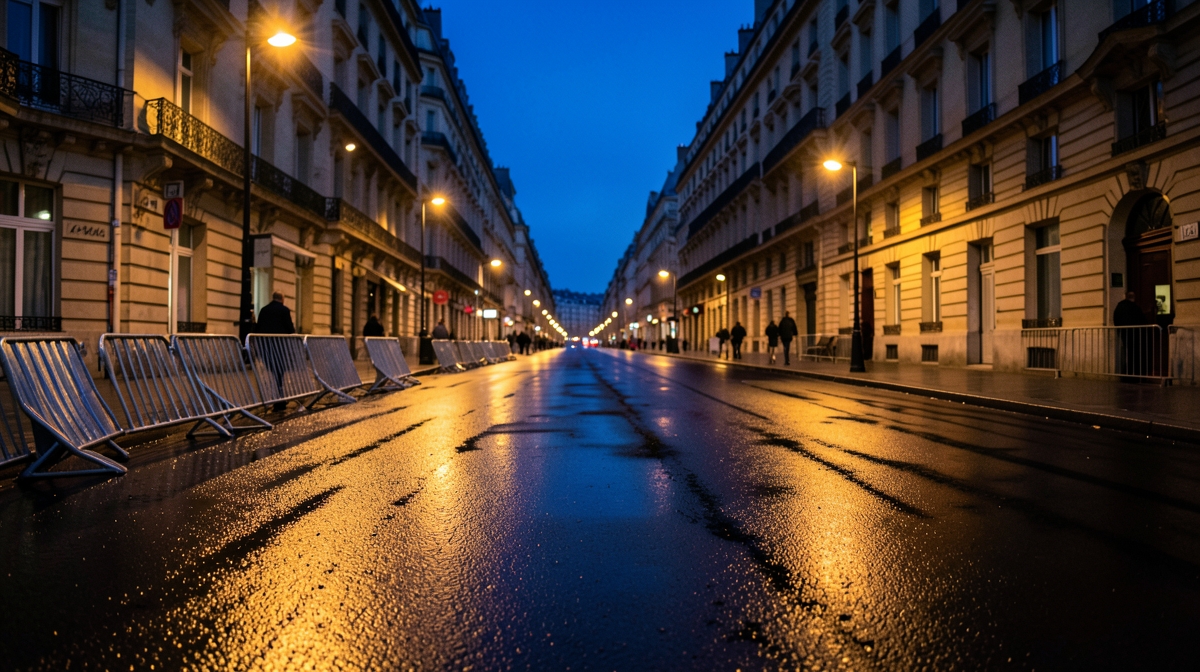
The rallies turned violent because deep economic strain combined with intense street anger, pushing demonstrations beyond standard union marches. BBC News reported that over half a million people mobilized against rising living expenses. In several cities, localized tension erupted into property destruction, with buildings set alight and commercial shops ransacked.
When inflation squeezes household budgets, standard protests often attract broader demographics than traditional labor strikes. We've seen how sudden price spikes make everyday necessities unaffordable, creating immediate public frustration. Demonstrators took to city streets to voice outrage, but splinter factions quickly shifted public gatherings toward direct confrontation with riot squads.
The resulting disorder left cars charred and storefronts shattered across regional hubs. As local transport networks ground to a halt, civil authorities faced the double burden of managing crowd safety while clearing barricades. While emergency crews extinguished street fires, shopkeepers surveyed ransacked retail aisles. How long can municipal districts endure such recurring destruction?
- Monitor transit notices: Check regional municipal travel advisories each morning before commuting through major urban corridors during scheduled strikes.
How did municipal leaders engage with student marches?
Elected officials took divergent paths during the turmoil, with some actively joining student marches while others condemned the unrest. The New York Times reported that 53-year-old mayor Bally Bagayoko, from a working-class suburb near Paris, became a regular presence alongside younger marchers, drawing both public praise and sharp political criticism.
Bagayoko's involvement gave the youth movement visible institutional backing, bridging informal student gatherings and formal municipal politics. In our experience, when established politicians walk alongside younger protesters, public attention intensifies dramatically. That presence legitimizes economic complaints for supporters, but it also draws fierce condemnation from opponents who demand strict municipal neutrality.
Student groups carried distinct grievances regarding job prospects and living expenses, amplifying the general protest movement. Their participation expanded demonstrations far beyond standard workplace unions. When suburban mayors publicly support these street rallies, local councils face immense political blowback from residents whose neighborhoods suffered damage during nocturnal clashes.
- Review council updates: Track public statements from your suburban district representatives to anticipate local transit disruptions and community assembly schedules.
What does the mass arrest wave mean for French security?
The detention of more than 1,000 people marks an aggressive security response intended to halt property destruction and restore street order. BBC News confirmed the extensive arrests after rioters set cars and buildings ablaze across several major cities, signaling that police forces shifted from passive containment to rapid mass apprehension.
Mass detentions put immense operational pressure on local judicial infrastructure and detention facilities. Processing over 1,000 individuals requires around-the-clock court staffing, legal evaluations, and coordinated police custody logistics. When custody numbers surge this fast, municipal court systems struggle to separate casual bystanders from individuals who committed organized looting or arson.
Civil unrest can spread beyond national borders if regional economic complaints resonate with neighboring populations. Similar tensions appeared in Albania, where BBC News reported violent clashes between anti-government demonstrators and riot police in Tirana on Saturday. As cost pressures squeeze households across the continent, will other European capitals face similar street battles?
- Secure commercial premises: Reinforce street-level display windows and update commercial emergency plans whenever mass rallies receive regional police warnings.
FAQ
What caused the recent wave of French protests?
The demonstrations began over severe cost of living pressures that affected working families and students. BBC News noted that more than half a million people joined protests across multiple French cities, where frustration over expenses eventually escalated into riots, looting, and street fires.
How many people did authorities detain during the unrest?
Police arrested over 1,000 individuals throughout the country following intense clashes and arson. BBC News reported that security officers moved aggressively to detain suspects after looters targeted retail shops and set fire to vehicles and buildings in numerous metropolitan centers.
Who is Bally Bagayoko and why is he prominent?
The New York Times highlighted Bally Bagayoko, a 53-year-old mayor of a working-class suburb near Paris, as a key public figure. He joined student demonstrators in the streets, drawing widespread applause from youth activists alongside stern condemnation from political opponents.
Restoring civil stability after half a million citizens march requires more than tactical police deployments. French authorities now face the difficult task of addressing the underlying economic hardships that brought crowds into the street while repairing extensive municipal damage.
Stay informed with accurate, up-to-date global news coverage.
Sources
- Violent clashes, looting and buildings ablaze in France as over 1,000 arrested after protests (BBC News): https://www.bbc.co.uk/news/articles/c6d937wedj7jo?at_medium=RSS&at_campaign=rss