
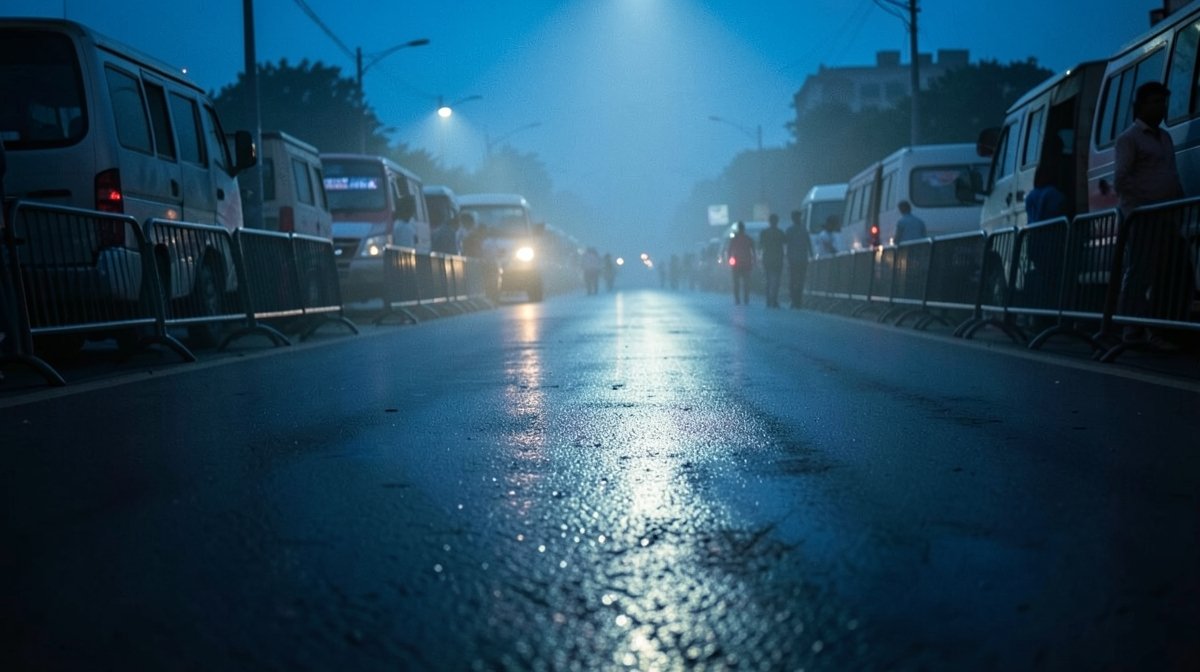
Security forces in New Delhi hauled away hundreds of demonstrators after the culling of 130 million names from India's voter roll triggered widespread public outrage. As The New York Times reported, thousands of young citizens attempted to assemble in the capital before authorities imposed a sweeping security lockdown. The aggressive police response highlights mounting friction over democratic access ahead of critical state elections.
Key Takeaways
- Security personnel detained hundreds of demonstrators across New Delhi following mass protests against sweeping voter roll revisions.
- Authorities removed roughly 130 million names from official registration records ahead of upcoming state elections.
- Detainees include organisers from the unregistered Cockroach activist collective demanding transparent national voting reforms.
Why Did the Culling of 130 Million Voters Spark Street Protests?
Government officials triggered immediate civil unrest by striking 130 million names from the national voter roll ahead of crucial state ballots. As The New York Times documented, thousands of young demonstrators gathered in New Delhi because removing tens of millions of citizens directly disenfranchises voters before they can cast their ballots.
The sudden removal of eligible citizens from registration rolls disrupts democratic participation at an unprecedented scale. Young people flooded capital streets because an administrative cut of this magnitude invalidates legitimate voter identities without clear recourse. In our experience, when electoral authorities purge records right before major elections, public confidence collapses rapidly.
- Verify voter eligibility: Check your local electoral registry status months before voting deadlines to ensure administrative purges have not erased your active registration.
How Did Delhi Authorities Respond to Youth Demonstrations?
Police responded to the assembly by locking down New Delhi and forcibly hauling away hundreds of young demonstrators from central rallying points. The New York Times correspondent Mujib Mashal reported from the heart of the demonstrations, documenting how security personnel dispersed crowds to stop citizens from disputing the voter roll reductions.
Security personnel formed dense cordons across the capital to intercept arriving groups before crowds could combine forces. Officers dragged students and organisers directly into police transport vehicles to stifle visible dissent. With state elections approaching, how can citizens express legitimate grievances when peaceful assembly triggers immediate detention?
- Monitor assembly restrictions: Track city transit alerts and official curfew notices during political rallies so you avoid sudden security checkpoints and unlawful detention zones.
What Electoral Reforms Is the Cockroach Group Demanding?
The Cockroach activist collective is demanding comprehensive electoral reforms to restore transparency before decisive state elections take place across India. BBC News reported that police detained leaders of the group, which operates without official political party registration, after they rallied thousands of young supporters against unilateral roll revisions.
The group argues that unannounced roll revisions undermine fair competition in upcoming state races. Because the collective remains an unregistered civic movement rather than a formal political party, authorities have treated its leaders as disruptive agitators rather than negotiating partners. The crackdown shows how non-traditional civic groups face severe pressure when challenging national administrative policy.
- Support transparent oversight: Follow independent election monitoring networks to review administrative registry adjustments before state ballots take place in your district.
FAQ
Who organised the New Delhi voter roll protests?
Young citizens and leaders from an unregistered group called the Cockroach collective organised the demonstrations, according to BBC News. The movement does not run as a political party but campaigns for institutional electoral reform ahead of critical regional contests across India.
Why were 130 million names removed from India's voter rolls?
The New York Times reported that authorities culled 130 million entries during sweeping administrative revisions of India's voter rolls. While officials carried out the large-scale purge, protesters argue the process arbitrarily strips millions of eligible young voters of their democratic rights.
What measures did police take to suppress the demonstrations?
Security forces deployed in force across New Delhi, creating roadblocks and detaining hundreds of demonstrators on sight. The New York Times correspondent Mujib Mashal reported from the scene, showing police hauling young activists into custody to break up gatherings immediately.
Electoral integrity remains the foundation of credible governance, and mass roll adjustments require transparent verification rather than street crackdowns. When authorities silence dissent instead of answering questions about purged records, political friction inevitably deepens. Observers will monitor whether state elections proceed fairly under the newly revised rosters.
Stay informed with accurate, up-to-date global news coverage.
Sources
- Indian Police Round Up Protest Leaders and Lock Down Delhi (NYT > World News): https://www.nytimes.com/2026/10/10/world/asia/delhi-protests-india.html