
French police arrested around 1,800 people on Saturday after mass demonstrations sparked severe rioting, vandalism, and street clashes nationwide. Burned vehicles, looted storefronts, and broken glass covered key boulevards in Paris by Sunday morning. The unrest highlights deep public anger over economic strain and deteriorating public services across the country.
Key Takeaways
- Nationwide protests over living expenses and school conditions led to around 1,800 arrests across France.
- Paris experienced intense property destruction, including burned vehicles, smashed storefronts, and looted commercial shops.
- Civil disruption threatens neighborhood safety, daily transit routes, and local municipal school operations.
What sparked the sudden surge in nationwide unrest?
Simmering anger over stagnant wages, rising everyday prices, and poorly funded public schools drove thousands into French streets on Saturday. BBC News reported that these underlying grievances turned peaceful public marches into explosive street demonstrations across the country, showing how fast economic strain can trigger broad social revolt.
When household budgets tighten and classroom resources shrink, public patience runs thin. We've seen that sudden price shocks act as a spark on existing public frustration. Crowds formed in regional hubs and capital avenues to demand immediate relief from escalating inflation and inadequate classroom funding.
Frustration builds when governments fail to address basic daily expenses. Citizens feel the pinch at the grocery counter and watch their local schools struggle with basic maintenance. How can communities maintain stability when essential systems fail to support working families?
- Monitor local transit: Check municipal travel alerts before heading into downtown business districts during active demonstration weekends.
How did Saturday's peaceful marches turn to widespread destruction?
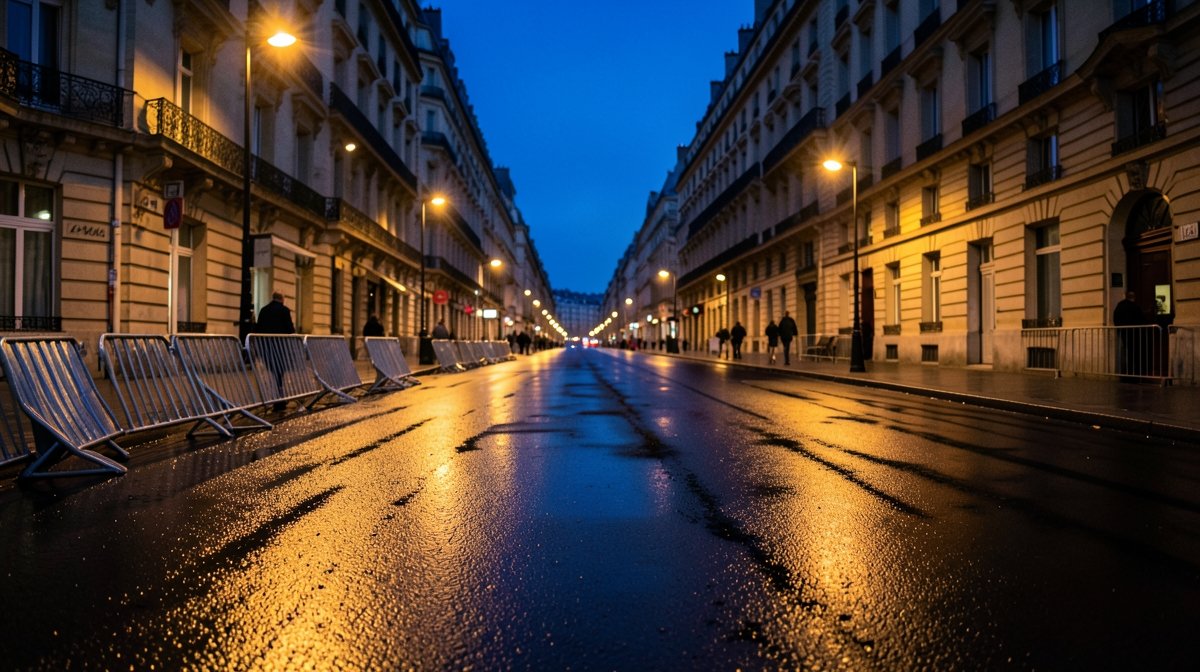
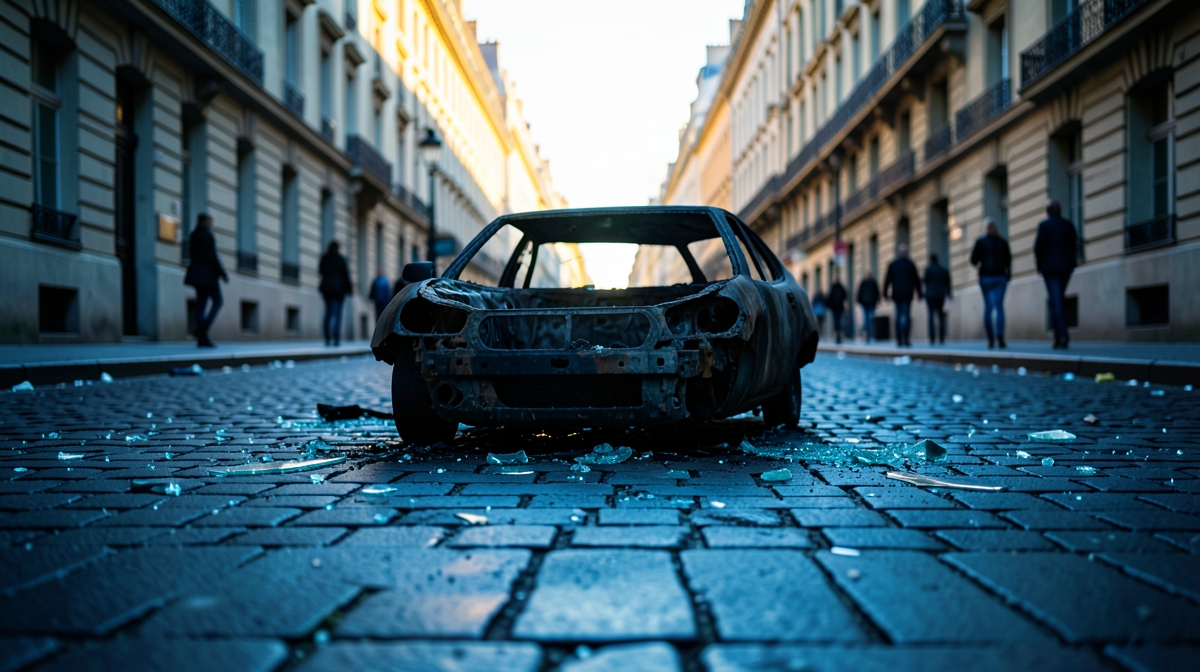
Saturday's organized marches fractured when radical splinter groups pushed past standard rally zones into commercial avenues to target retail shops and infrastructure. BBC News documented that the clashes left burnt out cars, looted businesses, and shattered glass along major Paris streets after dark.
Chaos spread rapidly as agitators exploited dense crowd movements to evade defensive police cordons. High-density commercial districts suffered immediate property damage as rioters smashed display windows and set parked vehicles ablaze. Emergency response crews struggled to reach affected corridors through blocked roads and scattered street debris.
Officers responded aggressively to regain control over the urban core. The interior ministry deployed heavy security units, detaining around 1,800 people in cities across the nation according to BBC News. Fast arrests helped clear blocked intersections, but commercial districts faced severe disruption that halted normal business operations overnight.
- Secure vulnerable storefronts: Install reinforced window shutters and clear portable street assets ahead of scheduled weekend protest gatherings.
What operational challenges confront affected French communities now?
Municipal authorities and business owners face immediate cleanup expenses, transit delays, and safety adjustments following widespread property destruction across metropolitan areas. The sudden loss of storefront inventory and vehicle access forces local governments to redirect security personnel and emergency repair teams into affected shopping districts.
In our experience, violent protests inflict lasting damage on community infrastructure. Store owners lose vital retail revenue while waiting for insurance assessments, and public sanitation crews spend days hauling away charred vehicle hulls and broken glass. Transit agencies must reroute buses and close metro stations until street corners are safe.
Schools also face continued friction as educators highlight severe resource shortages that initially prompted the rallies. Administrators must address classroom maintenance problems while calming community anxieties. Can local officials resolve systemic budget deficits before renewed grievances spill back onto urban boulevards?
- Document property losses: Photograph all storefront damage immediately and preserve physical inventory records to accelerate pending insurance claims.
FAQ
Why did protesters take to the streets across France?
Protesters mobilized on Saturday to challenge soaring everyday living expenses and deteriorating classroom conditions in state schools. Stagnant household budgets and poor educational infrastructure pushed citizen groups to organize nationwide demonstrations, demanding substantial government intervention, lower living costs, and emergency financial support for public education.
How many demonstrators were detained during the unrest?
Police forces arrested around 1,800 individuals across France during the weekend unrest, according to BBC News reports. Law enforcement carried out these detentions nationwide after daytime demonstrations splintered into violent property destruction, street vandalism, vehicle fires, and retail looting.
Which areas sustained the heaviest physical destruction?
Central boulevards in Paris bore the brunt of property damage overnight. Demonstrators set multiple cars ablaze, shattered glass storefronts, and ransacked retail shops, leaving municipal sanitation teams and private property owners to clear heavy debris and burned metal hulls by Sunday morning.
Public discontent over economic strain and basic public services will continue to test urban security and community resilience across France. Civic stability depends on how quickly leaders address core household challenges while maintaining public safety on city streets.
Stay informed with accurate, up-to-date global news coverage.
Sources
- Burnt out cars and shattered glass on Paris streets after protests turn to riots and looting (BBC News): https://www.bbc.co.uk/news/articles/c574pdzl0k4no?at_medium=RSS&at_campaign=rss