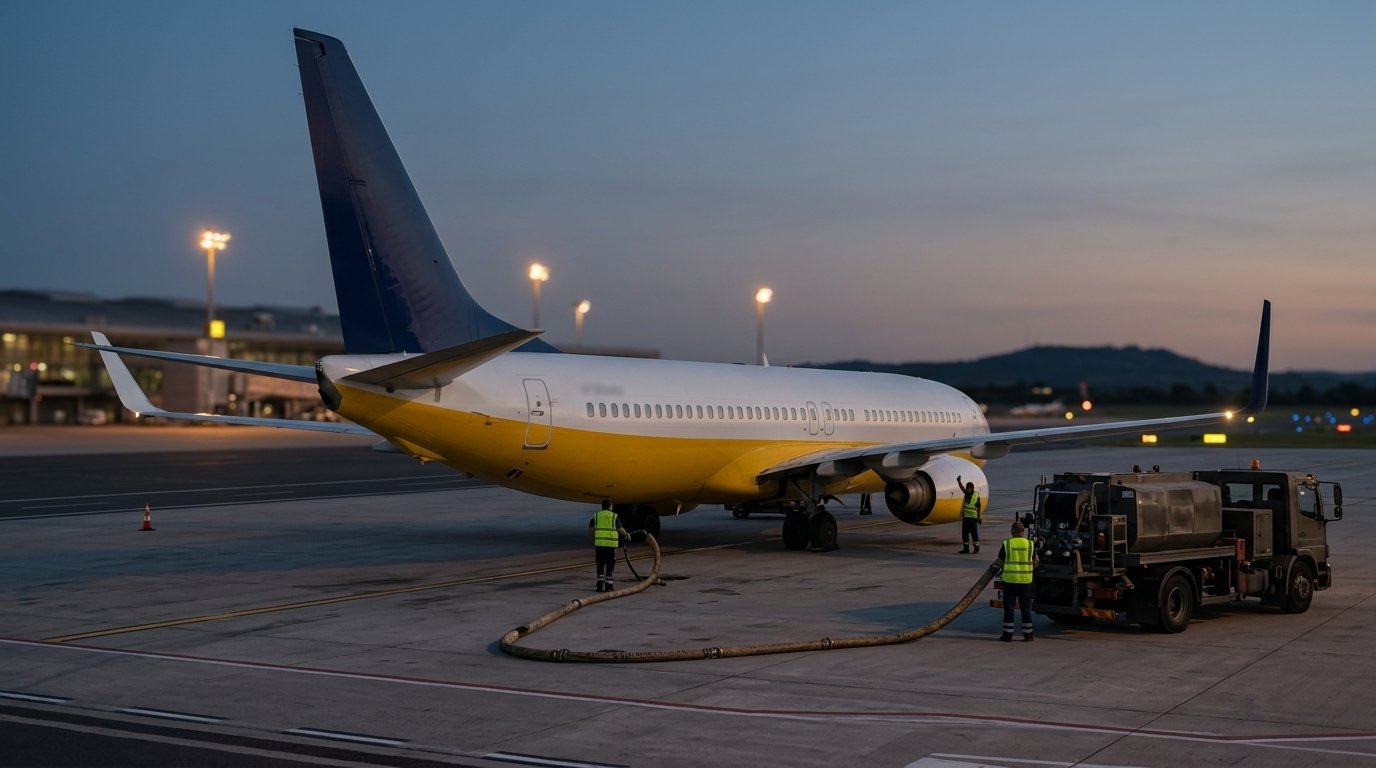
Ryanair warned that it may freeze employee compensation and raise flight prices because of worsening international conflict. The low-cost carrier projects severe financial strain if geopolitical hostilities continue to disrupt international oil markets. As regional fighting drives up operating expenses, passengers and airline staff will absorb the financial impact.
Key Takeaways
- Fuel expenses could surge substantially by 2028 without diplomatic resolution.
- Commercial passengers face higher airfares as flight operators counter fuel bills.
- Airline personnel confront potential salary freezes during prolonged operational cost spikes.
- Geopolitical warfare directly destabilizes international commercial transport networks.
Why Is Ryanair Planning Fare Hikes and Wage Freezes?
Ryanair is preparing to freeze staff pay and raise passenger fares to offset a potential surge in jet fuel expenditures. The carrier projects that its annual fuel expenses could jump by €2bn in 2028 unless fighting stops. Management intends to protect its operational balance sheet by passing costs to travelers and limiting payroll growth.
According to a report by BBC News, the airline linked this massive financial projection directly to ongoing conflict involving the United States, Israel, and Iran. Fuel represents one of the largest single operating costs for commercial carriers. When crude supplies face regional instability, refined aviation fuel costs spike rapidly across the entire sector.
- Budget Early: Review your upcoming travel schedules and book seats months in advance to avoid sudden fare increases.
How Does Middle Eastern Conflict Disrupt Global Aviation Fuel?
War between major regional powers drives aviation fuel costs higher by disrupting extraction, refining, and international shipping channels. When combat threatens production zones and maritime trade lanes, oil markets price in severe supply shortages. Airlines must then purchase fuel at inflated rates, which quickly eliminates operating profits across long-haul and short-haul networks.
Military operations involving Iran and foreign allies create persistent uncertainty across international energy exchanges. Geopolitical instability challenges every airline trying to balance thin margins with volatile operating expenses. Fuel markets react swiftly to tanker disruptions, pipeline threats, and regional airspace closures that force jets to fly longer routes and burn additional fuel.
- Monitor Energy Updates: Track regional conflict headlines regularly to anticipate seasonal adjustments in international flight pricing.
What Does This Strategy Mean for Passengers and Workers?
This strategy shifts the financial burden of international military conflict directly onto everyday travelers and carrier employees. Passengers will encounter higher base ticket prices across booking portals, while airline staff face flat earnings despite broader inflationary pressures. These twin measures allow the carrier to conserve cash reserves during turbulent international crises.
When airlines freeze compensation, workers experience declining real income while handling full operational schedules. Meanwhile, budget-conscious travelers must adapt to shrinking price advantages on popular continental routes. If operating costs surge as predicted, discount carriers will struggle to maintain their traditional low-fare business model without deep operational compromises.
- Compare Alternative Carriers: Check competing travel providers and regional transit options before purchasing higher-priced flight tickets.
FAQ
What caused Ryanair to issue this financial warning?
Ryanair issued the warning because escalating warfare involving the United States, Israel, and Iran threatens international oil supplies. According to reporting from BBC News, the carrier calculated that its annual fuel expenses could increase by €2bn in 2028 if the conflict continues without a diplomatic settlement.
How much could fuel expenses increase by 2028?
The airline projects that fuel expenses may jump by €2bn in 2028 if hostilities persist. This massive increase reflects anticipated market disruption in global crude oil production and transport. Without a peaceful resolution to regional combat, airlines must absorb or transfer these multibillion-euro fuel cost shocks.
Will other budget carriers also raise their airfares?
Other budget carriers will likely raise their airfares if high fuel prices affect the entire aviation industry. While individual corporate strategies vary, all airlines depend on refined jet fuel to operate flights. Industrywide fuel cost surges typically push competing airlines toward similar ticket price adjustments to protect margins.
Aviation remains intimately tied to global political stability. As international conflicts expand, the economic shocks ripple through fuel depots directly into passenger cabins and worker paychecks.
Stay informed with accurate, up-to-date global news coverage.
Sources
- Ryanair says it may freeze workers' pay and raise airfares (BBC News): https://www.bbc.co.uk/news/articles/cr0qkve1x224o?at_medium=RSS&at_campaign=rss