
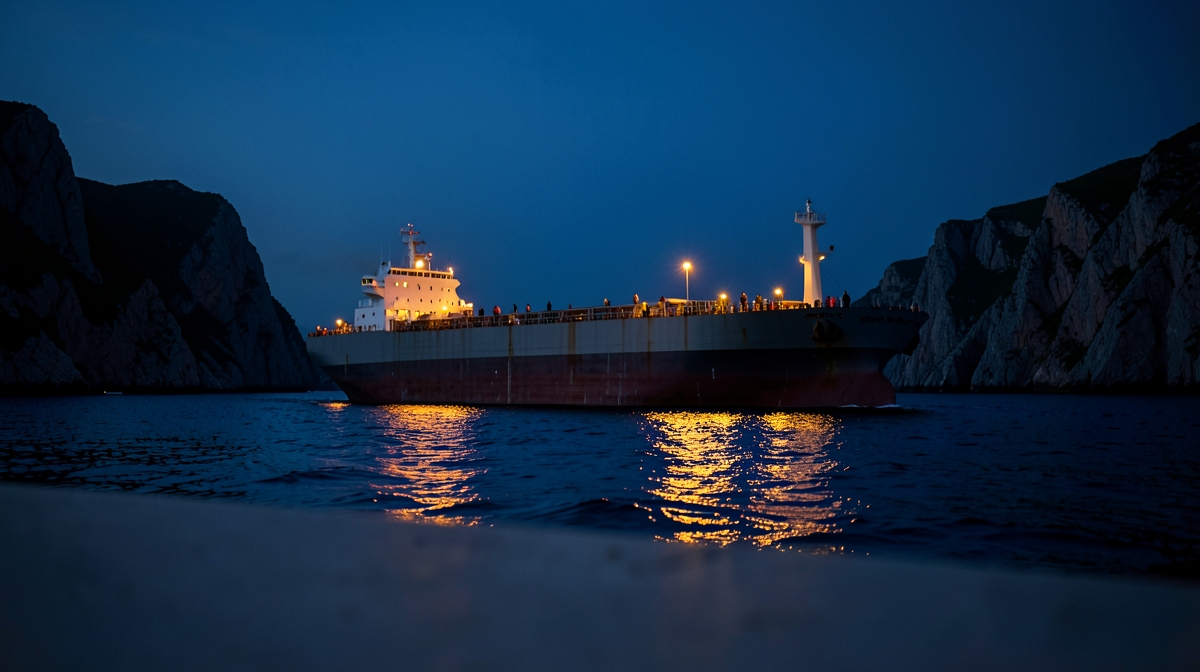
Crude oil traffic through the Strait of Hormuz is expanding as maritime routes adjust to changing regional pressures. The New York Times reported on October 4, 2026, that increased tanker movement through the chokepoint raises fresh questions about regional influence during active conflicts.
Key Takeaways
- Rising tanker traffic through the Strait of Hormuz alters regional geopolitical pressure.
- Iran faces changing strategic options as commercial maritime volume increases.
- Allied military adjustments in Europe reflect broader security precautions tied to Middle Eastern tensions.
How Does Greater Hormuz Shipping Affect Regional Influence?
Higher tanker traffic through the Strait of Hormuz dilutes unilateral pressure on global energy markets. When more vessels transit the passage, threats to disrupt maritime routes carry higher stakes for all surrounding nations. This shift alters how regional actors exert strategic pressure during wartime disputes.
The New York Times reported on October 4, 2026, that expanded crude transit tests Tehran's wartime influence over global supply channels. When transit volumes rise, any potential disruption impacts a wider circle of international buyers. Consequently, closing or threatening the waterway creates diplomatic fallout that may outweigh the tactical gains.
- Monitor transit data: Track weekly tanker counts through the strait to gauge regional trade stability.
Why Are Western Military Assets Adjusting Locations?
Western forces are repositioning key assets away from vulnerable forward installations in response to emerging threats. Rapid troop or aircraft withdrawals reduce exposure to coordinated strikes planned by regional adversaries. This defensive realignment preserves operational capability while minimizing potential casualties at overseas facilities.
Following security assessments, the United States rapidly pulled bomber aircraft from RAF Fairford in Britain. As The New York Times reported on October 4, 2026, officials ordered the withdrawal after identifying threats linked to an Iran-based plot targeting the installation. Military planners prefer relocating high-value equipment before an adversary can execute planned strikes.
- Review base security: Assess threat advisories at allied installations to understand troop movements.
What Commercial Risks Remain for Global Energy Shippers?
Commercial shippers still face substantial security hazards despite rising traffic volumes in Middle Eastern waterways. Regional tensions often spill into shipping lanes through drone activity, sea mines, and vessel boardings. Fleet operators must balance high transport demand against the real danger of unexpected maritime confrontations.
Tanker operators sailing near the Persian Gulf constantly evaluate route safety against cargo commitments. When tensions rise, marine insurance premiums increase rapidly, adding heavy costs to every voyage. How do commercial fleets maintain steady deliveries under these conditions? They rely on updated security protocols, escort support, and constant route monitoring.
- Track freight risk: Evaluate maritime insurance surcharges when planning energy cargo schedules.
FAQ
What is the primary significance of the Strait of Hormuz?
The Strait of Hormuz serves as the world's most critical maritime corridor for petroleum exports. A significant share of global crude passes through this narrow waterway daily, making any regional tension an immediate concern for international energy security and market pricing.
Why did the United States withdraw bombers from RAF Fairford?
American military officials ordered an unusually swift withdrawal of bombers from the British air base on October 4, 2026. The action followed intelligence indicating threats of an Iran-based plot against the base, prompting commanders to protect the aircraft.
How do regional conflicts impact international tanker traffic?
Regional conflicts increase operational risks for commercial shipping through potential missile strikes, naval boardings, or mining incidents. These threats force carriers to adjust transit speeds, alter routes, purchase higher insurance coverage, or coordinate with international naval patrols.
Energy markets will continue adjusting to the balance between commercial transit needs and persistent military friction in vital Middle Eastern waterways.
Stay informed with accurate, up-to-date global news coverage.
Sources
- The Return of Middle East Oil (NYT > World News): https://www.nytimes.com/2026/10/04/world/strait-hormuz-oil-yemen-brazil.html