
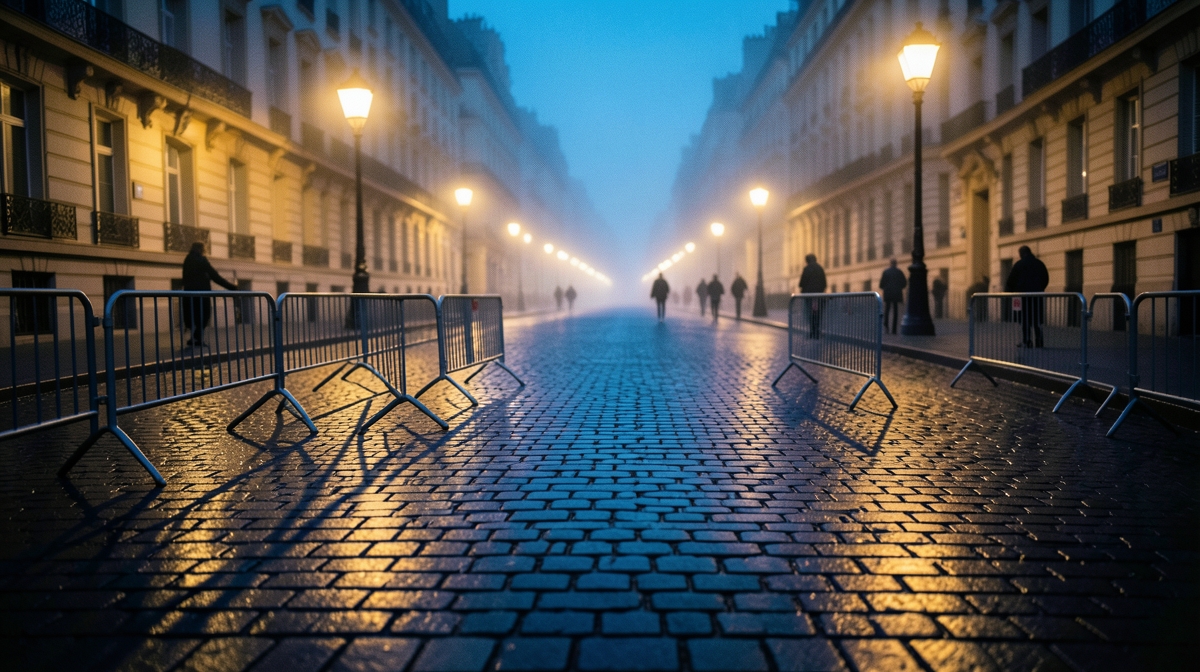
Riot police deployed tear gas against demonstrating students across Paris and Marseille this week. The unrest marks a rapid escalation in youth demonstrations demanding increased funding for public schools. Crowds composed primarily of teenagers have mobilized in urban centres, directly confronting state authority and heavy-handed crowd control tactics.
Key Takeaways
- Demonstrations led by teenagers have spread across French cities, including Paris and Marseille.
- Protesters demand increased resources for public schools alongside an end to police repression.
- France faces broader fiscal constraints that threaten funding for its social welfare system.
- Rising street unrest is shaping political debates ahead of the approaching presidential election.
Why Are High School Students Mobilizing in French Cities?
Crowds of teenagers are filling streets in Paris and Marseille to challenge educational neglect and aggressive policing. Students demand immediate increases in institutional resources for schools alongside a halt to heavy-handed police actions. Tensions quickly escalated when security forces deployed tear gas against demonstrators gathered near urban school campuses.
Why have these gatherings intensified so rapidly? In our experience watching urban policy disputes, teen demonstrations gain momentum when classroom grievances meet public safety backlash. BBC News reported that secondary school crowds specifically targeted both school funding shortages and what organizers termed police repression during their marches.
- Education policy tracking: Monitor municipal announcements in Paris and Marseille for localized adjustments to school security protocols and scheduled student assemblies.
How Does the National Fiscal Crisis Fuel Education Protests?
France struggles to maintain its extensive social welfare commitments while managing intense budgetary pressure across public services. Classrooms face acute resource constraints because state spending limits restrict hiring, classroom supplies, and building maintenance. These economic limitations turn routine student grievances into widespread unrest across major population centres.
The New York Times reported that disruptions in schools, streets, and markets reflect deep disputes over financing France's welfare model. When central authorities curb public expenditures, secondary schools feel the squeeze directly through reduced staffing and strained facilities. Have national fiscal plans pushed local schools past their breaking point?
- Budget review focus: Review official education ministry budget releases to identify where spending freezes or resource adjustments hit regional school districts hardest.
What Do the Demonstrations Mean for the Upcoming Election?
Student protests introduce volatile public security questions into the campaign debates preceding France's upcoming presidential election. Political candidates must address mounting public dissatisfaction regarding welfare funding, street disorder, and police conduct. The widespread unrest highlights how civic discontent can reshape national political agendas during competitive campaign cycles.
An autumn of discontent now grips the country, as noted by The New York Times in its coverage of France's polycrisis. Youth-led street actions force candidates to take definitive positions on state funding allocations versus stricter law enforcement measures. These protests create a challenging testing ground for politicians seeking support from frustrated voters.
- Election campaign monitoring: Follow candidate statements and published policy platforms regarding public sector funding reform before the upcoming presidential vote.
FAQ
What triggered the use of tear gas during the protests?
Security forces deployed tear gas in Paris and Marseille when student demonstrations near schools grew confrontational. The BBC reported that police used chemical agents as crowds of teenagers gathered in public squares to protest institutional neglect and call for an end to aggressive policing tactics.
What are the primary demands made by the demonstrating students?
Students are demanding substantial increases in public school resources and an end to police repression. Protesters argue that chronic underfunding harms classroom conditions, while aggressive crowd control measures by law enforcement create unnecessary danger for young demonstrators exercising their right to assemble.
How does France's economic situation relate to school unrest?
The demonstrations reflect France's broader struggle to fund its social welfare system amid strict fiscal limits, as reported by The New York Times. Budget constraints reduce available public education resources, turning classroom shortages into broader street protests during an election period.
Student demonstrations in Paris and Marseille demonstrate how local educational strains can ignite wider national debates. As the presidential election nears, balancing public welfare budgets against demands for improved public services will test French governance.
Stay informed with accurate, up-to-date global news coverage.
Sources
- Tear gas in Paris and Marseille as school protests grow across France (BBC News): https://www.bbc.co.uk/news/articles/c8x23706pvz3o?at_medium=RSS&at_campaign=rss