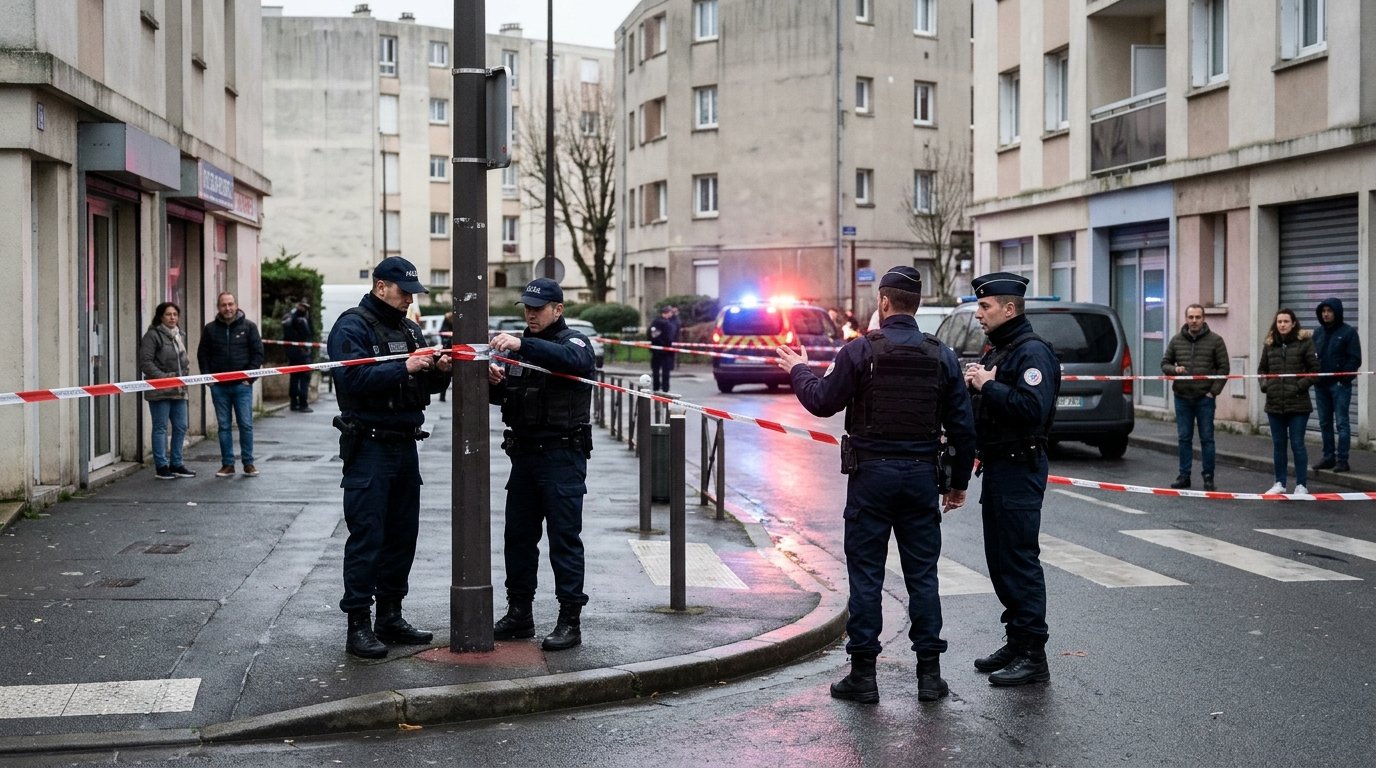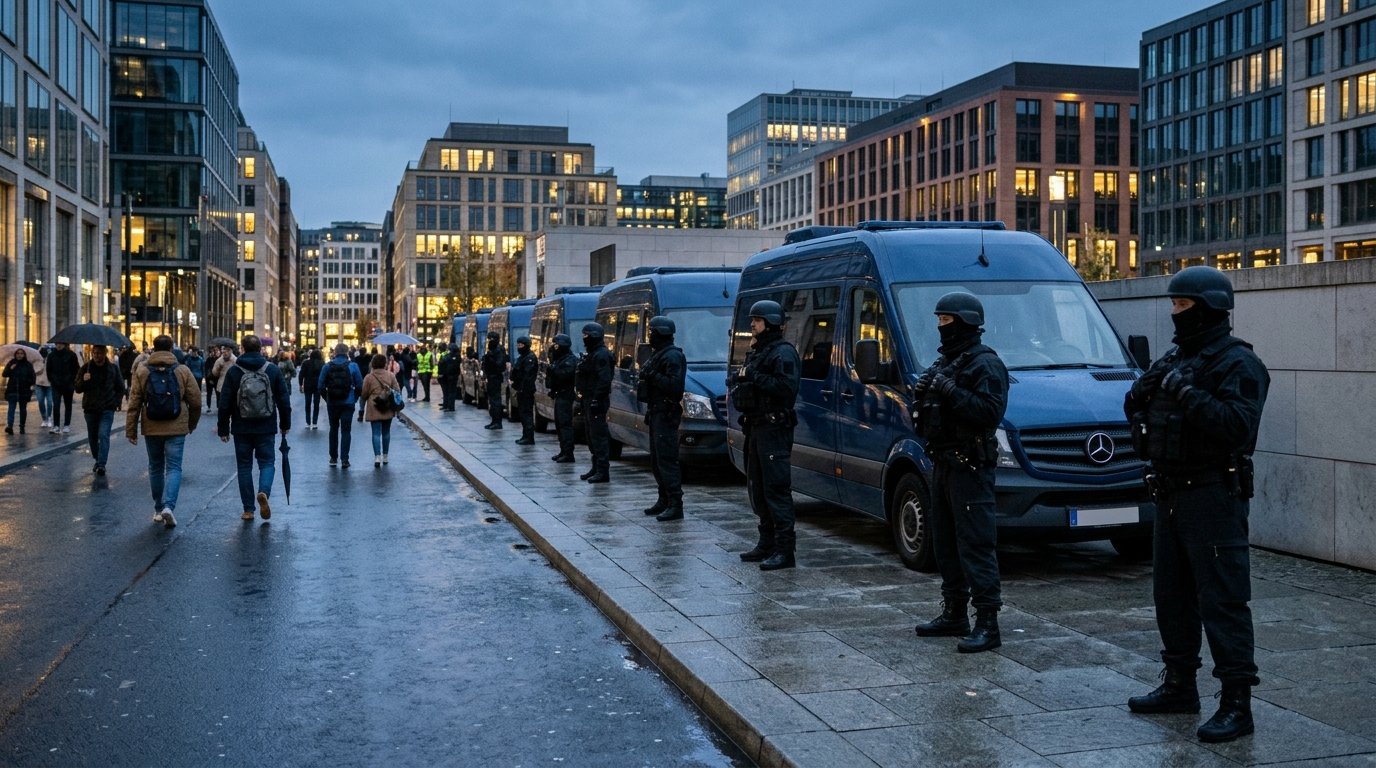
French authorities mobilized tens of thousands of security forces across the country to preempt a new wave of street violence. The deployment follows severe rioting that broke out seven days earlier, prompting immediate gathering bans in multiple metropolitan centers. We've seen government officials take this urgent stance to stop municipal disruptions from paralyzing public services.
Key Takeaways
- Tens of thousands of security personnel now patrol French cities to prevent civil disruption.
- Municipal authorities issued formal demonstration bans in several urban jurisdictions.
- What began as small high school walkouts now includes major labor unions and activist groups.
Why Did French Authorities Deploy Tens of Thousands of Officers?
Authorities dispatched tens of thousands of police officers because recent street clashes escalated rapidly into broader urban unrest. According to reporting from The New York Times on October 24, 2026, officials ordered the massive operation to avoid repeating the violent disturbances that shook French cities just one week ago.
The tactical mechanism centers on visible area saturation. When riot squads establish static perimeters around transit hubs and civic buildings, they deny crowds the physical room to assemble. Police leadership determined that an overwhelming physical footprint reduces property damage during volatile night operations.
Rapid containment prevents small friction points from igniting wider public confrontation. By massing units before gatherings begin, commanders control physical transit routes and disperse impromptu rallies before collective momentum builds. In our experience, heavy early presence alters street dynamics faster than reactive interventions.
- Track official alerts: Review regional police advisories each morning to identify restricted travel corridors before heading into major transit hubs.
How Did Local High School Walkouts Broaden Into National Unrest?
A dispute originating at a handful of secondary schools transformed into national unrest after organized labor and activist groups joined the student base. The New York Times reported on October 24, 2026, that the student demonstrations expanded outward once established unions brought logistical backing and shared grievances to the movement.
The escalation dynamic functions through compounding civil alliances. Secondary school pupils started localized pickets, highlighting student concerns, but labor federations quickly recognized an opening to advance broader social demands. When organized labor enters the equation, minor street walkouts quickly acquire coordinated strike capabilities.
Why does this multi-sector coalition present such an operational challenge for city administrators? Union participation introduces seasoned organizers who understand how to mobilize workers across transportation, sanitation, and education. That solidarity turns isolated school blockades into widespread municipal disruption.
- Plan transit alternatives: Verify municipal railway and bus operating schedules ahead of scheduled strike actions to bypass organized union demonstrations.
What Security Measures Are Cities Enforcing to Prevent Further Riots?
Municipal leaders across France banned public demonstrations in several cities to prevent crowds from gathering at critical civic locations. As The New York Times noted on October 24, 2026, administrative bans give security units legal authority to detain agitators immediately and clear city plazas before destructive unrest takes hold.
Enforcement relies on pre-emptive legal containment. When mayors designate specific public plazas as exclusion zones, officers do not have to wait for vandalism or physical assaults before intervening. They disperse unauthorized gatherings the moment people congregate, cutting short the organizing phase of public riots.
The strategy also restricts movement along major traffic arteries and central boulevards. Security teams establish checkpoints along suburban transit routes leading into city centers, isolating volatile neighborhoods. This administrative barrier keeps localized campus rallies from merging with union crowds in downtown districts.
- Verify local decrees: Check municipal administrative bulletins for emergency gathering bans before visiting downtown commercial districts during active protest cycles.
FAQ
What sparked the current wave of protests across France?
The unrest began as small walkouts organized by students at a few high schools. As reported by The New York Times on October 24, 2026, the movement widened substantially after activist groups and labor unions joined the pupils, turning localized school grievances into broad street rallies across several cities.
Why did municipal governments ban public demonstrations?
City officials enacted bans to stop a recurrence of the intense rioting that shook the country one week earlier. Prohibiting assemblies gives security units legal standing to disperse crowds immediately, preventing activists from forming destructive mobs around sensitive civic infrastructure and vulnerable retail corridors.
How large is the security deployment across French cities?
The New York Times reported on October 24, 2026, that authorities deployed tens of thousands of security personnel. The extensive troop mobilization aims to secure urban centers, enforce municipal gathering bans, and protect critical transport networks from violent disruptions linked to widening union and student demonstrations.
Government ministers and civic planners now face the delicate task of restoring order without triggering deeper strikes among organized labor federations. How civic groups respond to blanket demonstration bans over coming days will determine whether metropolitan centers regain stability or encounter protracted economic disruption.
Stay informed with accurate, up-to-date global news coverage.
Sources
- How a Small Student Protest Spread Across France (NYT > World News): https://www.nytimes.com/2026/10/24/world/europe/france-protests-timeline.html