President Trump declared that Venezuela is not ready to hold elections, directing American attention toward the country's petroleum reserves instead. Meanwhile, Secretary of State Marco Rubio is actively pushing for mediated discussions between opposing Venezuelan political factions. This dual posture highlights competing priorities inside American foreign policy toward the South American nation.
Key Takeaways
- President Trump asserts Venezuela remains unready for democratic elections.
- United States strategic focus under Trump targets Venezuelan energy assets.
- Secretary of State Marco Rubio encourages negotiations between opposing political leaders.
- Divergent administrative priorities create distinct tracks for diplomatic and resource management.
Why Does Washington Question Venezuela Readiness for Elections?
American leadership assesses that Venezuelan domestic institutions cannot currently support a credible democratic vote. President Trump argues that holding immediate elections skips the fundamental stability required for fair governance. Instead of staging an unready ballot, Washington shifts its direct strategic focus toward the country's vast crude oil sector.
The New York Times reported on October 23, 2026, that Trump openly dismissed Venezuela's election readiness while prioritizing resource management. Energy production offers immediate commercial utility, whereas disputed voting risks further destabilizing local authority. You can observe how securing petroleum flows takes precedence over establishing democratic processes when institutions lack basic stability.
- Policy tracking cue: Monitor official diplomatic briefings regarding Venezuelan energy concessions and election eligibility.
How Is Marco Rubio Handling Opposing Venezuelan Factions?
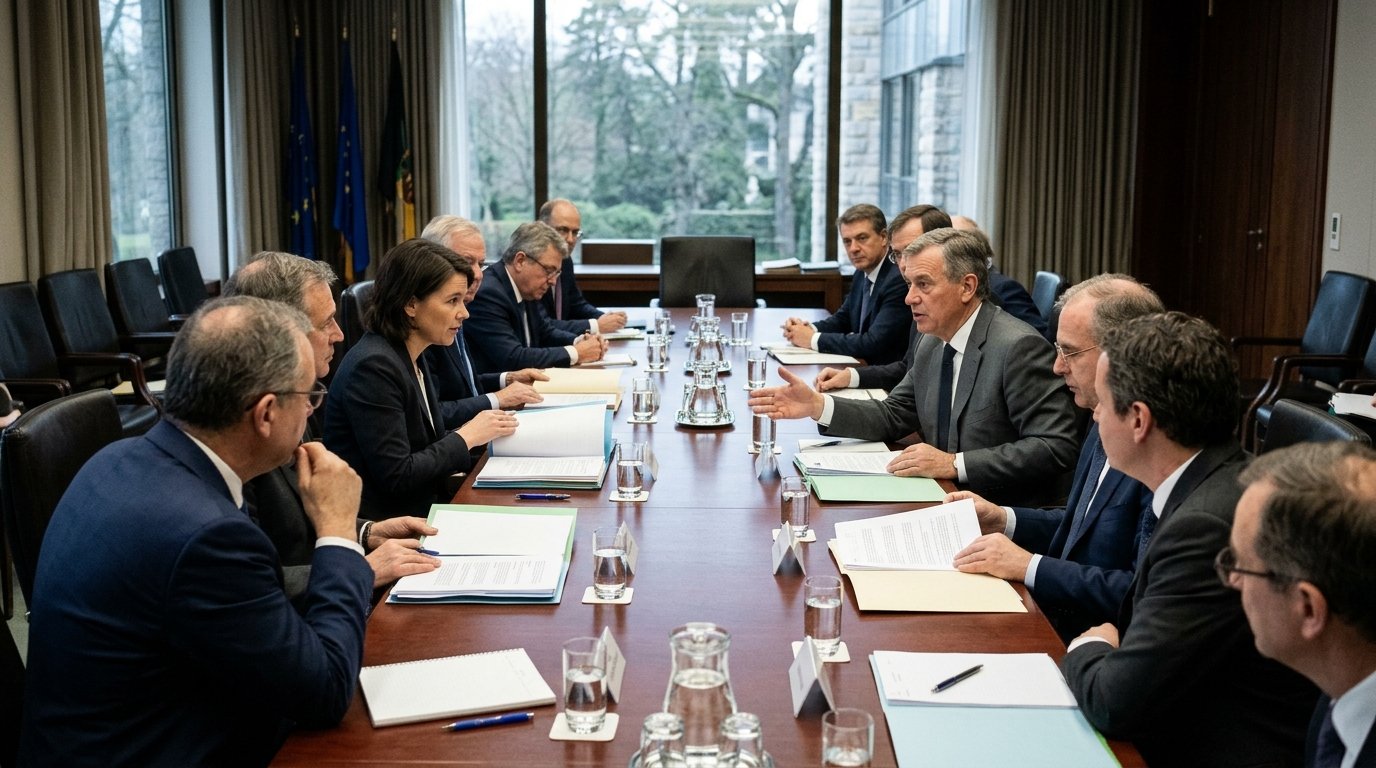
Secretary of State Marco Rubio pursues direct political engagement by nudging Venezuela's opposing politicians toward active negotiations. While the White House concentrates on energy reserves, Rubio works through diplomatic channels to build dialogue between bitter domestic rivals. This diplomatic effort seeks to prevent systemic collapse through structured communication.
Mediation between entrenched rivals operates through quiet diplomacy rather than public mandates. When you bring opposing factions together, small procedural agreements create mutual accountability over time. Rubio's talks attempt to maintain functional political contact on the ground, creating a diplomatic counterweight to the administration's primary resource focus.
- Diplomatic progress sign: Watch for joint communiques issued by rival Venezuelan political representatives during mediated sessions.
What Does This Dual Strategy Mean for Foreign Policy?
This divided focus creates two parallel tracks within American foreign policy toward Caracas. One track treats Venezuelan energy as a tangible economic prize, while the other maintains vital political diplomacy between conflicting parties. Balancing these conflicting objectives requires constant coordination between executive leaders and the State Department.
We've found that resource pragmatism often moves faster than institutional reform in turbulent foreign environments. Securing oil assets addresses near-term energy markets, yet lasting regional security requires workable internal politics. Rubio's dialogue keeps political channels open while Trump pursues immediate oil priorities.
- Strategic review action: Assess international oil trade statements against State Department announcements to identify strategic adjustments.
FAQ
What is President Trump stance on Venezuelan elections?
President Trump stated that Venezuela is not ready to hold national elections. He argues that political conditions in the country remain too unstable for a reliable vote, choosing instead to focus United States efforts on Venezuela's extensive oil resources.
Why is Marco Rubio nudging talks between political opponents?
Secretary of State Marco Rubio is encouraging dialogue to keep opposing political factions talking to one another. These mediated discussions attempt to prevent total institutional breakdown and build basic communication channels between Venezuela's competing domestic leaders.
Which news organization first detailed this foreign policy divide?
The New York Times published these details on October 23, 2026, documenting the split between Trump's oil focus and Rubio's push for political negotiations under close American observation.
United States policy toward Venezuela balances immediate resource objectives with ongoing political mediation. Tracking both tracks provides the clearest picture of where regional diplomacy heads next.
Stay informed with accurate, up-to-date global news coverage.
Sources
- Under U.S. Watch, Venezuela Grapples With Tensions Over Democracy (NYT > World News): https://www.nytimes.com/2026/10/23/us/politics/venezuela-trump-rubio-elections.html