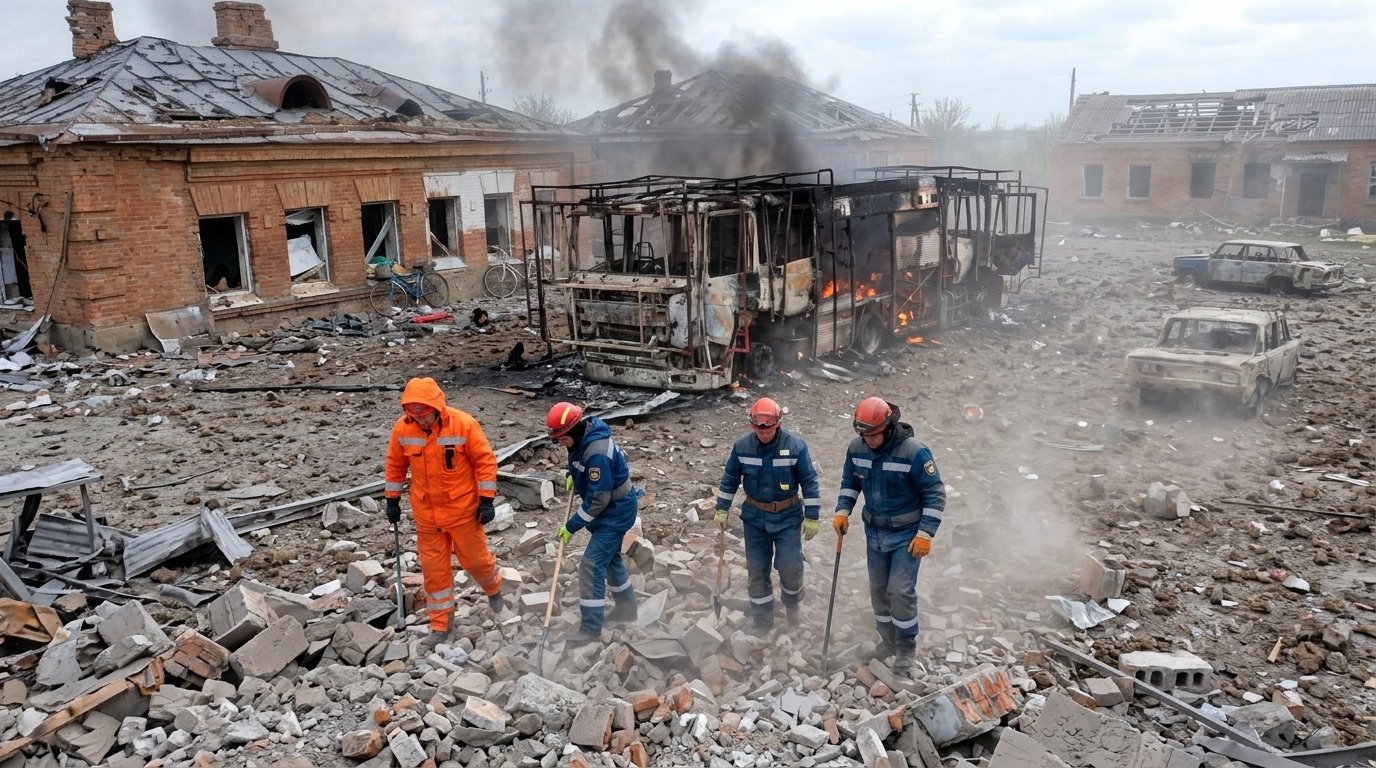
United States armed forces launched targeted strikes against Iranian positions on Qeshm Island just before crucial midterm elections. American authorities described the military operation as a limited and defensive action, according to reports from CBS and BBC News. The sudden engagement immediately shifts international attention toward deterrence strategies in the Persian Gulf during an active voting period.
Key Takeaways
- American forces carried out defensive strikes on Qeshm Island in Iran before midterm balloting.
- Defense officials confirmed through CBS that the operation remained strictly limited in military scope.
- Political analysts monitor how overseas military actions influence voter sentiment during domestic elections.
What Happened During the Strikes on Qeshm Island?
United States forces targeted specific Iranian positions on Qeshm Island in an operation framed by military leaders as strictly defensive and contained. CBS first reported the strikes through communications with American officials, while BBC News verified the strategic framing. The defensive mandate aimed to suppress immediate regional risks without triggering wider combat operations across surrounding waterways.
Military planners often use targeted strikes to disrupt hostile staging grounds before threats can materialize against allied assets. In our experience, defensive operations target radar, launch sites, or maritime platforms to signal resolve while maintaining strict escalation boundaries. The localized scope on Qeshm Island suggests an intentional effort to neutralize specific hazards without inviting broader regional conflict.
- Track security updates: Monitor verified defense briefings through independent news outlets to distinguish tactical deterrence from prolonged military escalation.
Why Did the Timing Align With the Midterm Elections?
The military strikes occurred directly on the eve of domestic midterm elections, raising immediate questions about foreign policy impacts on voter decisions. While commanders base strike authorizations on tactical threats, major security incidents inevitably ripple into voting booths. Voters often weigh executive leadership and national defense readiness when casting their ballots in competitive races.
Voters frequently reevaluate national leadership when international crises emerge during active polling windows. In our experience, national security developments quickly shift public debate toward executive competence and military readiness. While the administration maintained focus on immediate defensive needs, concurrent domestic events, including Supreme Court decisions regarding California ballots, illustrate how volatile election seasons become when foreign conflicts erupt.
- Review ballot impacts: Examine how foreign policy actions and federal court decisions shape voter turnout trends in your local congressional district.
How Will Defensive Actions Influence Regional Stability?
Defensive strikes signal a firm warning to regional adversaries while attempting to keep retaliatory cycles from spiraling into wider conflict. American officials emphasized the narrow parameters of the Qeshm Island mission to communicate limited intent. This containment mechanism prevents miscalculation by demonstrating that tactical strikes will remain focused solely on specific defensive targets.
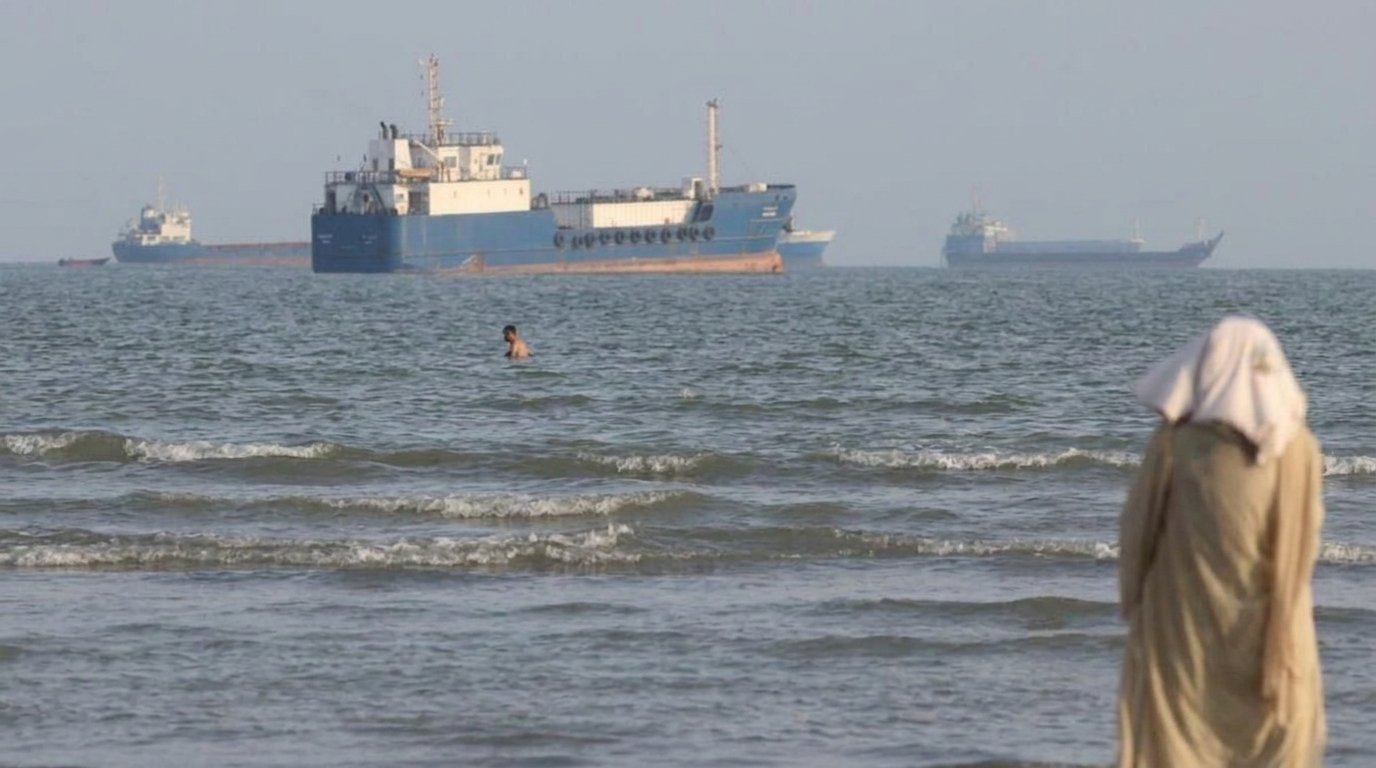
Strategic deterrence works only when both sides understand the boundaries of an engagement. When defense officials publicly describe strikes as limited, they communicate that open-ended escalation is not their objective. Regional shipping lanes and international monitors watch these signals closely, because even localized military operations can disrupt maritime transport corridors and prompt diplomatic friction across neighboring countries.
- Follow diplomatic statements: Watch official government communiques to evaluate whether retaliatory statements lead to actual military movements or remain confined to diplomatic protests.
FAQ
Where is Qeshm Island located and why is it significant?
Qeshm Island sits in the Strait of Hormuz, an essential strategic bottleneck for global energy shipping. American officials confirmed to CBS that military forces conducted limited defensive strikes against targets on the island, highlighting its sensitive position in maritime security.
What official justification did Washington provide for the operation?
United States officials characterized the military action as a limited, defensive measure designed to address immediate threats. According to reporting from BBC News and its partner network CBS, officials emphasized that the strikes did not represent an expansion of offensive warfare.
Did domestic political events overlap with the military strikes?
The strikes occurred directly ahead of United States midterm elections, arriving alongside domestic election disputes. As BBC News reported, the Supreme Court simultaneously rejected challenges to California vote counting, creating a rare convergence of major domestic legal rulings and overseas military actions.
Overseas military operations carry significant consequences for both international diplomacy and domestic political trust. As election results take shape and regional partners assess the Qeshm Island operation, public officials must balance rapid defensive readiness with transparent communication.
Stay informed with accurate, up-to-date global news coverage.
Sources
- US strikes Iran ahead of midterm elections (BBC News): https://www.bbc.co.uk/news/articles/cx240mrm3g8vo?at_medium=RSS&at_campaign=rss