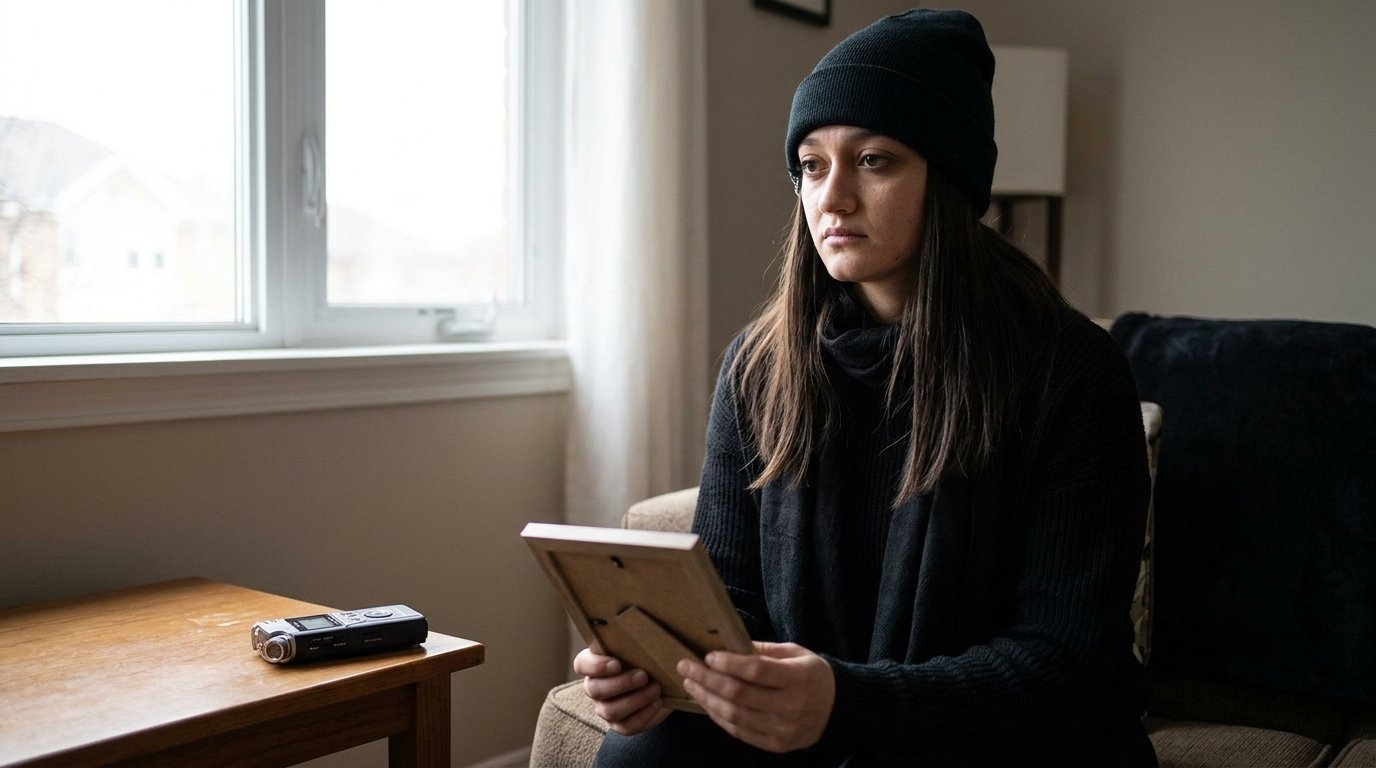
Iranian authorities face direct public confrontation after security forces fatally shot an Iranian teenager named Sevda. Her grieving mother, Samira, decided to challenge the Tehran regime publicly rather than accept state silence. The case came to light through investigative coverage by BBC Panorama, highlighting how domestic grief transforms into public international resistance.
Key Takeaways
- Samira publicly confronts the Tehran regime after state forces fatally shot her daughter Sevda.
- BBC Panorama documented the family push for legal accountability despite state intimidation.
- Public mourning serves as a catalyst for wider political resistance across Iranian civil society.
Why Did Samira Refuse to Remain Silent?
Samira chose public exposure over private grief because state accountability requires undeniable public records. Facing the authorities directly carries acute personal risk, but silence allows fatal enforcement actions to pass without consequence. By speaking directly to international journalists, she turned her private tragedy into documented evidence against state impunity.
Bereaved families in Tehran often face intense official pressure to bury their dead quietly. Security services frequently demand swift burials to prevent gatherings from escalating into wider street protests. When family members refuse these terms, they interrupt the standard administrative suppression used by security apparatuses. Speaking on camera changes the security balance, making quiet retaliation much harder for local officers.
- Documentation steps: Track independent broadcast archives that preserve direct testimony from bereaved families.
What Role Do Broadcasters Play in Iran Reporting?
External investigative broadcasters provide vital reach by transmitting restricted domestic testimony back to global and local audiences. When domestic press channels face state censorship, external reporting teams verify and broadcast witness accounts. This mechanism breaks the state monopoly on information and preserves an unalterable historical narrative for international human rights observers.
Can state censors completely contain family testimony once broadcasts air? We've seen that recorded video accounts circulate rapidly through cross-border networks despite strict local filtering. BBC Panorama recorded Samira stating that remaining quiet was impossible after the fatal shooting of Sevda. That broadcasted resolve gives courage to other families confronting similar state aggression.
- Media monitoring: Compare verified external broadcast accounts against official domestic statements to identify narrative discrepancies.
How Does Mourning Threaten Regime Control in Tehran?
Mourning threatens state control by turning personal remembrance into visible gatherings that expose enforcement brutality. When grieving parents refuse coerced silence, they dismantle the fear that regime security units rely on to deter public dissent. Each public memorial challenges state authority by demonstrating that grief outweighs the threat of arrest.
Authoritarian enforcement depends on isolation to keep dissent fragmented and ineffective. When a grieving mother speaks out openly, she dismantles that barrier for other citizens. State officials recognize that moral outrage from grieving parents presents a potent political challenge that standard police intimidation cannot easily suppress.
- Accountability tracking: Follow ongoing human rights documentation initiatives that compile verified reports on fatal enforcement actions.
FAQ
Who reported the account of Samira and Sevda?
The account was documented and broadcast by BBC Panorama. The investigative program followed Samira as she openly challenged the Tehran regime following the killing of her teenage daughter Sevda, ensuring her demand for accountability reached an international audience.
Why is speaking out dangerous for Iranian families?
Speaking out exposes relatives to state harassment, surveillance, and possible detention by security forces. The Tehran regime routinely pressures bereaved families to avoid media contact to prevent local protests from forming around victims of fatal enforcement actions.
How does public testimony alter the situation?
Public testimony breaks state censorship by creating permanent external records of state violence. By speaking publicly, families prevent authorities from concealing enforcement actions, while providing international legal monitors with direct witness statements that support broader human rights tracking.
Samira's refusal to keep quiet demonstrates how personal loss continues to fuel direct resistance against state authority in Iran.
Stay informed with accurate, up-to-date global news coverage.
Sources
- 'I couldn't be silent': Iranian teen's mother seeking justice after daughter shot dead (BBC News): https://www.bbc.co.uk/news/videos/cwjdmp25mem9o?at_medium=RSS&at_campaign=rss