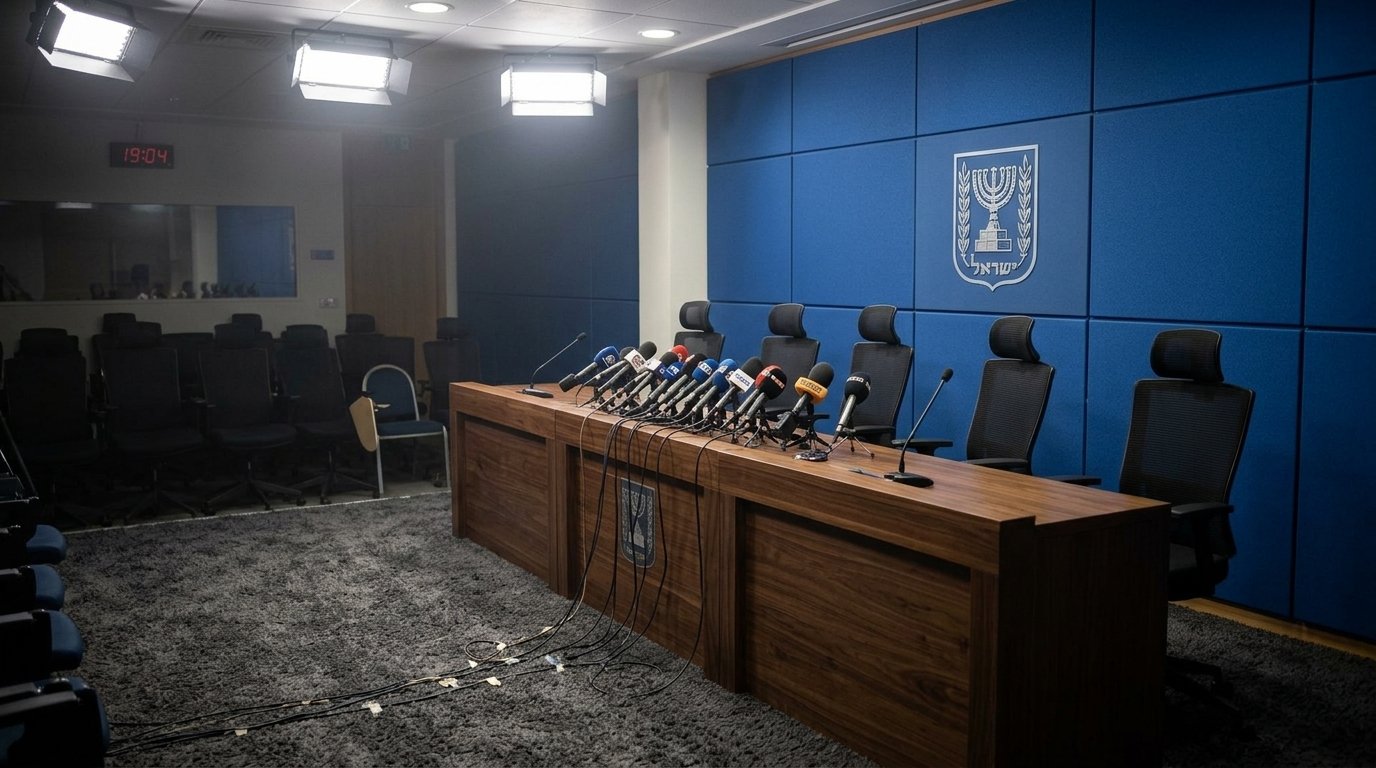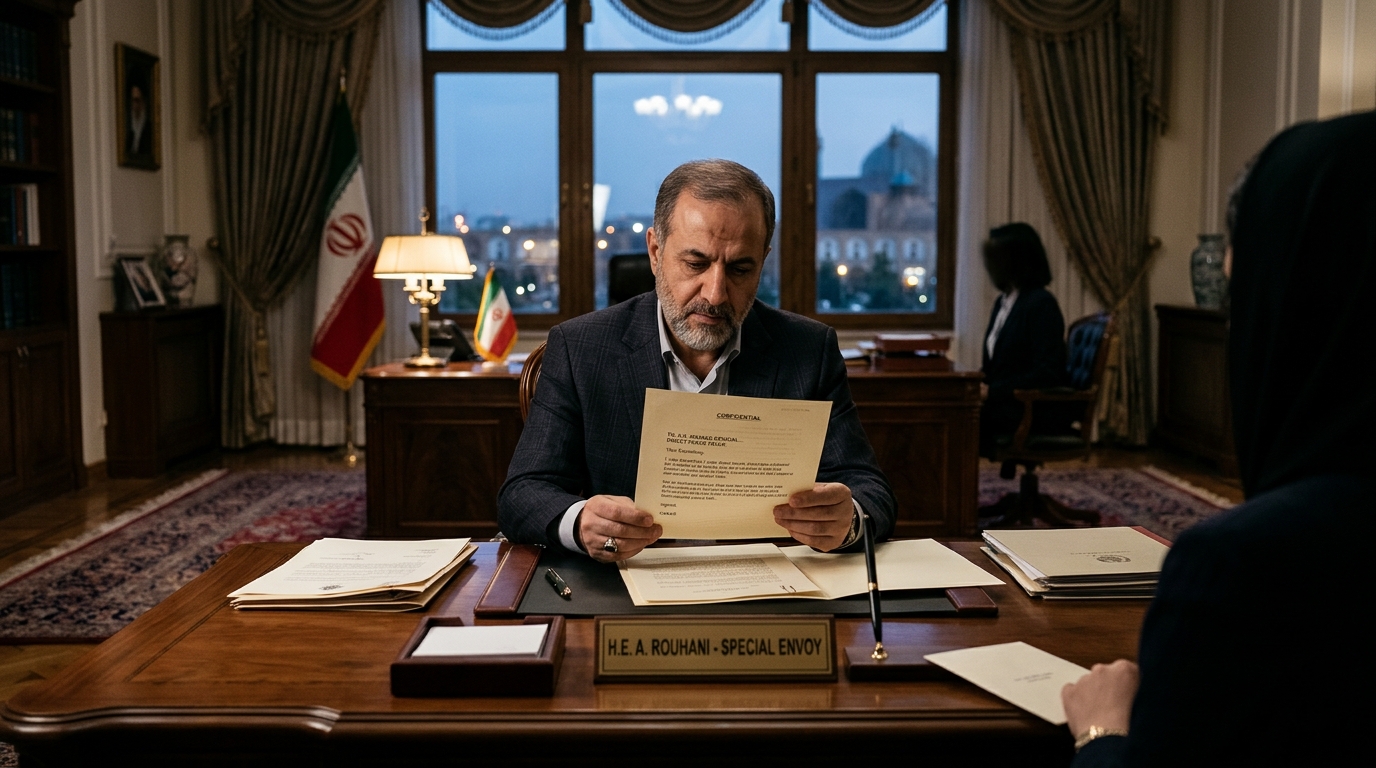
The United States vice president sent a formal letter to an Iranian official proposing an immediate restart of bilateral diplomatic negotiations. As reported by The New York Times, the written outreach calls for direct dialogue to address regional stability alongside disputes over Iran's nuclear program. This initiative represents an active diplomatic push to reopen frozen communication lines.
Key Takeaways
- Vice President Vance proposed resuming direct diplomatic talks with Iran through a formal letter to an Iranian official.
- The New York Times reported that the outreach urges immediate dialogue concerning regional peace and Iran's nuclear program.
- Direct correspondence signals an attempt to restore bilateral communications through established diplomatic channels.
What Does the Letter to Iran Propose?
The proposal calls for an immediate resumption of comprehensive peace talks between American and Iranian representatives. According to reporting from The New York Times, the formal letter specifically identifies Iran's nuclear program as a central subject for renewed negotiation, seeking direct communication rather than relying on third-party intermediaries to defuse bilateral tensions.
Direct letters allow senior officials to establish parameters before negotiators convene in person. When high-level executives communicate through written correspondence, they establish verified intent, clarify primary concerns, and test willingness to engage without triggering the public pressures of an immediate public summit.
- Diplomatic monitoring: Track official statements from Iranian foreign ministry representatives to verify if Tehran accepts the proposal for direct talks.
Why Are Nuclear Negotiations Central to the Outreach?
Nuclear talks remain central because uranium enrichment and technical verification represent the most urgent security priorities dividing both nations. The outreach reported by The New York Times highlights the nuclear file to establish clear boundaries, prevent military escalation, and create a verifiable framework for monitoring enrichment activity before addressing broader regional disputes.
Bilateral diplomacy relies on sequencing key disputes to build basic trust between opposing governments. Focusing initial talks on nuclear oversight offers measurable technical benchmarks, such as inspection access and stockpile limits, which diplomatic teams can independently verify more easily than political promises.
- Verification tracking: Review published updates from international atomic inspectors to assess existing enrichment levels and facility monitoring protocols.
What Happens Next for Resumed Bilateral Talks?
The next phase requires the Iranian leadership to review the written terms and decide whether to authorize formal diplomatic contact. As The New York Times indicated, proposing an immediate restart puts the initial decision on Tehran, where senior figures must weigh domestic political resistance against the strategic benefits of direct negotiation.
If Tehran accepts the invitation, working groups typically organize preliminary sessions in neutral diplomatic venues. These preparatory discussions define working agendas, select delegation leaders, and resolve procedural rules before top-level envoys sit down for comprehensive negotiations on nuclear containment and regional peace.
- Channel surveillance: Watch for diplomatic travel announcements involving neutral mediator countries that historically host preliminary bilateral sessions.
FAQ
Who reported the outreach between Vance and the Iranian official?
The New York Times reported the outreach, revealing that the vice president sent a formal letter directly to an Iranian official. The report confirmed that the correspondence urged an immediate resumption of comprehensive peace discussions, focusing heavily on addressing Iran's ongoing nuclear program.
Why did the proposal emphasize an immediate resumption of talks?
An immediate resumption seeks to prevent regional escalation by re-establishing direct communication before diplomatic friction worsens. Reopening discussions without delay allows both nations to clarify security concerns, prevent accidental military confrontation, and establish structured working channels for technical nuclear negotiations.
Does the initiative cover issues beyond the nuclear program?
The New York Times reported that the outreach proposes comprehensive peace talks, indicating an agenda that spans broader bilateral friction alongside the nuclear portfolio. While nuclear containment forms a core component, comprehensive negotiations traditionally cover regional security issues and mutual diplomatic conditions.
Direct written outreach represents an initial step in testing diplomatic possibilities between long-standing adversaries. While formal negotiations require mutual consent and structured agendas, initiating bilateral correspondence creates a documented pathway toward regional de-escalation and technical oversight.
Stay informed with accurate, up-to-date global news coverage.
Sources
- Vance Proposes Restarting Peace Talks in Outreach to Iranian Official (NYT > World News): https://www.nytimes.com/2026/10/28/us/politics/vance-peace-talks-letter-iran.html