
Austria has denied entry to an Iranian official scheduled to attend International Atomic Energy Agency meetings following a United Nations ruling, Al Jazeera reported. Iranian authorities quickly condemned the reversal, asserting that external political pressure drove Vienna's decision to rescind previously granted delegation travel approvals.
Key Takeaways
- Austria revoked travel approval for an Iranian official heading to the IAEA.
- Iranian diplomats allege the entry denial stems from foreign pressure.
- The move follows a recent United Nations ruling affecting bilateral relations.
- Vienna hosts key international bodies where diplomatic access remains contentious.
Why Did Austria Revoke Entry for the Iranian Envoy?
Austria blocked the Iranian official from entering the country after a United Nations ruling altered the diplomatic clearance status for the delegation. Tehran stated that Austrian authorities initially approved the travel permissions before reversing their stance under what Iranian officials describe as intense outside political influence.
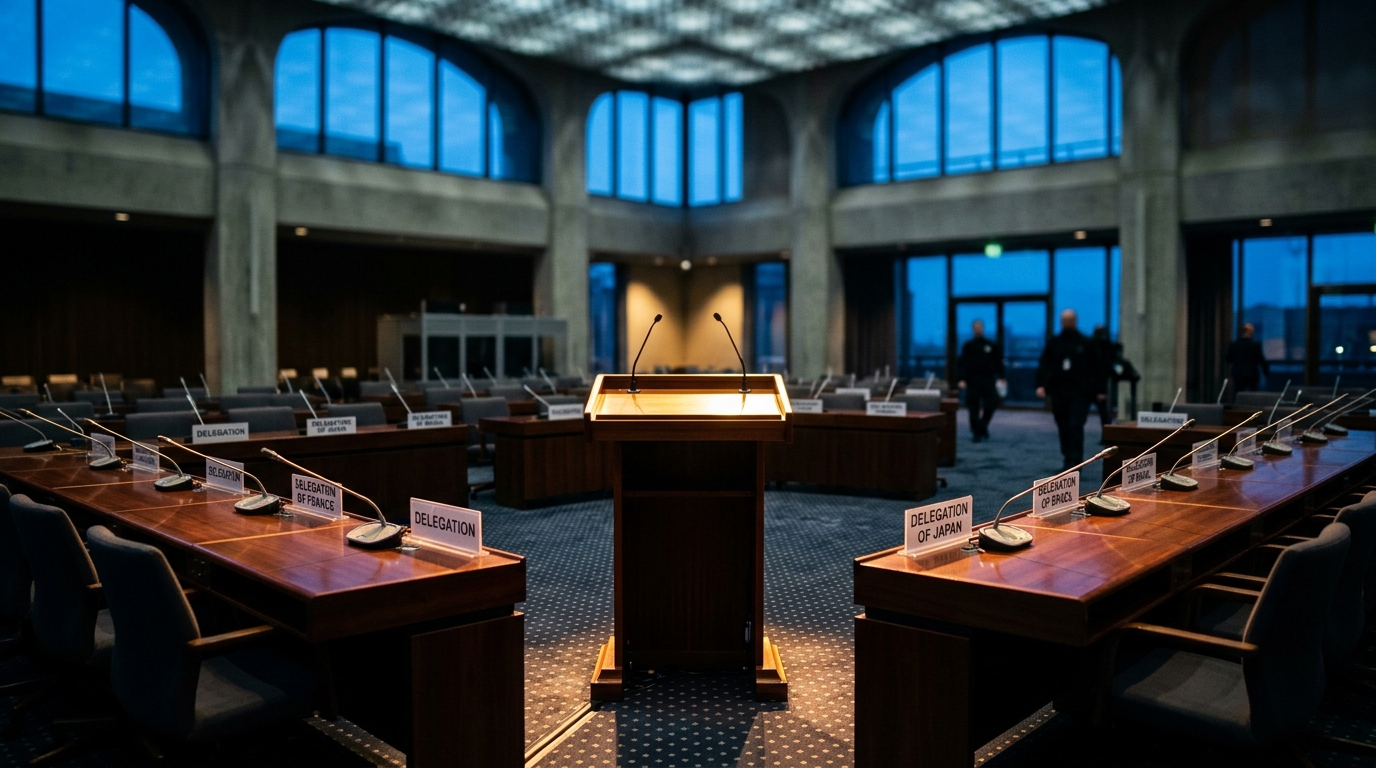
The diplomatic dispute centers on Iran's representation at the International Atomic Energy Agency, which maintains its headquarters in Vienna. When a host nation limits visa access for multilateral delegations, international treaties and standard diplomatic protocols face immediate operational friction.
- Monitor diplomatic channels: Track official statements from the IAEA and Austrian foreign ministry regarding international envoy access rules.
How Does Host Country Status Affect Diplomatic Access?
Host nations balancing international headquarters agreements must weigh domestic border authority against their obligations to allow official delegates access to United Nations organizations. When bilateral disputes or international rulings intervene, member states often clash over whether standard entry exemptions apply to visiting envoys.
In our experience, disputes over diplomatic visas create direct hurdles for scheduled inspections, talks, and administrative oversight. Iran's claim highlights growing tensions between host nation prerogatives and international agency accessibility during high-stakes nuclear governance discussions.
- Review international protocols: Check official UN headquarters agreements to understand legal protections granted to accredited multilateral representatives.
What Comes Next for Iran and the Atomic Agency?
Tehran plans to challenge the entry restriction through formal diplomatic protests while seeking alternative channels to participate in agency deliberations. The dispute risks complicating scheduled discussions at the nuclear watchdog if delegation members cannot secure physical entry to the Vienna headquarters.
Future meetings between agency leadership and Iranian representatives may require neutral third-party venues or virtual formats if visa approvals remain blocked. Clear communication between participating governments remains essential to prevent routine administrative barriers from stalling vital international oversight.
- Follow agency updates: Observe forthcoming IAEA meeting agendas to see how official delegation absences affect scheduled multilateral discussions.
FAQ
What caused the entry denial for the Iranian official?
Austria denied entry to the Iranian official following a United Nations ruling. Iranian authorities reported that Austria reversed its prior approval for the delegation, alleging that external diplomatic pressure caused the sudden shift in Austrian border authorization.
Where was the Iranian delegation traveling?
The delegation was traveling to Vienna, Austria, to attend official proceedings at the International Atomic Energy Agency. Vienna serves as the primary seat for the United Nations nuclear watchdog and its regular member state meetings.
How did Iranian officials respond to Austria's decision?
Iran publicly criticized the Austrian government for canceling the delegation's entry clearance. Iranian representatives asserted that Vienna yielded to outside political pressure rather than honoring standard diplomatic access protocols for international agency delegates.
International diplomacy relies heavily on predictable access rules for host countries and visiting delegations alike. As multilateral negotiations face mounting strain, maintaining consistent standards for international agencies ensures all parties can continue formal dialogue without administrative disruption.
Stay informed with accurate, up-to-date global news coverage.
Sources
- Austria denies entry to Iranian official after UN ruling (Al Jazeera – Breaking News, World News and Video from Al Jazeera): https://www.aljazeera.com/video/newsfeed/2026/9/14/austria-denies-entry-to-iranian-official-after-un-ruling?traffic_source=rss