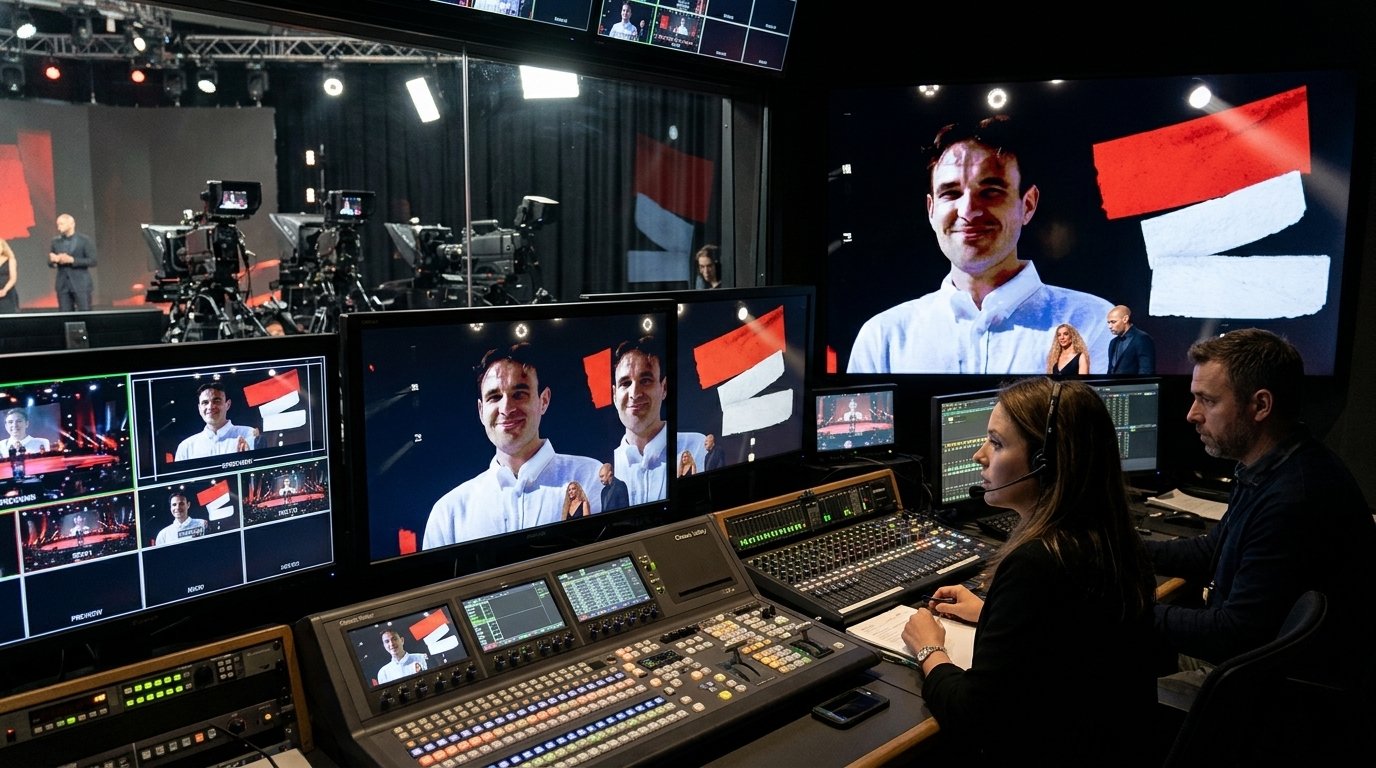
A global audience tuning into the Ballon d'Or ceremony witnessed an unexpected turn toward press freedom when organizers highlighted the detention of a French sports journalist held in Algeria. Authorities arrested the reporter after he traveled into the politically sensitive Kabylie area. The prominent mention suddenly placed diplomatic and legal scrutiny onto Algerian judicial actions.
Key Takeaways
- The Ballon d'Or stage brought international visibility to an imprisoned French reporter.
- Algerian authorities hold the correspondent under accusations of supporting terrorism.
- Travel into the politically sensitive Kabylie region triggered his initial detention.
- Rights monitors warn that regional press freedoms face escalating judicial crackdowns.
Why Did the Football Gala Highlight This Detention?
Global sports ceremonies create powerful broadcast moments that reach audiences far beyond standard political reporting. Presenters at the Ballon d'Or used their international stage to focus direct attention on an incarcerated colleague facing serious terrorism accusations. This public intervention forces sports authorities, foreign diplomats, and casual viewers to confront state restrictions that silence traveling correspondents.
Could international sports stages become primary venues for defending endangered correspondents? In our experience, high-profile cultural galas often cut through state censorship faster than routine diplomatic statements. When prestigious ceremonies broadcast these appeals, they remind global networks that sports journalism carries genuine real-world risks.
- Monitor event advocacy: Track how major global cultural broadcasts handle international press freedom appeals.
What Accusations Triggered the Algerian Prosecution?
Algerian prosecutors charged the French sports journalist with supporting terrorism following his reporting journey into the Kabylie region. The area remains a historically complex and politically sensitive territory under close state observation. Security services treated his physical presence and professional inquiries inside the district as security threats rather than standard news gathering.
State authorities frequently apply broad anti-terrorism statutes to restrict reporting in sensitive provinces. When prosecutors label travel into Kabylie as unlawful coordination, they criminalize ordinary field reporting. The legal mechanism isolates the reporter from editorial support, subjecting him to strict interrogation procedures under Algeria's criminal justice system.
- Track legal developments: Examine official correspondent filings to separate formal charges from legitimate news gathering.
How Does This Case Reflect Wider Regional Press Restrictions?
Cross-border detentions of media workers indicate growing administrative pressure against independent coverage across North Africa. As reported by BBC News, Egyptian authorities recently detained editor Lina Attalah after a court ordered the closure of news site Mada Masr. Rights monitor Amnesty International labeled that verdict a crushing blow to press freedom, showing a coordinated regional pattern.
Governments deploy judicial orders and state tribunals to penalize independent inquiry. When authorities target established editors and visiting reporters, news organizations scale back critical field investigations. We've found that legal pressure produces self-censorship, leaving critical regions without independent eyewitness reporting.
- Support independent journalism: Follow reliable legal monitoring groups that document regional court orders against reporters.
FAQ
Why was the French reporter imprisoned in Algeria?
Algerian officials detained the French sports journalist after he traveled into the politically sensitive Kabylie district. State prosecutors subsequently accused him of supporting terrorism, turning a regional travel assignment into a severe criminal prosecution that keeps him behind bars awaiting judicial proceedings.
Where did the Ballon d'Or ceremony feature this case?
Organizers addressed the imprisonment during the main Ballon d'Or ceremony broadcast. By introducing the reporter's ongoing detention to millions of football fans worldwide, the gala converted a prestigious sports awards program into an urgent public platform demanding international attention for an imprisoned colleague.
How are international rights groups reacting to media crackdowns?
Human rights organizations view these arrests as serious threats against critical reporting. When Egyptian courts targeted independent outlet Mada Masr and detained Lina Attalah, Amnesty International condemned the action as a crushing blow to press freedom, warning against expanding regional crackdowns on working reporters.
Public awareness remains essential whenever states prosecute correspondents for carrying out basic news gathering across borders. As international scrutiny intensifies on Algerian court actions, media advocates will continue pressing foreign ministries to secure the reporter's release.
Stay informed with accurate, up-to-date global news coverage.
Sources
- Ballon d'Or ceremony raises case of French sports journalist jailed in Algeria (BBC News): https://www.bbc.co.uk/news/articles/c6x2qgyqr79wo?at_medium=RSS&at_campaign=rss