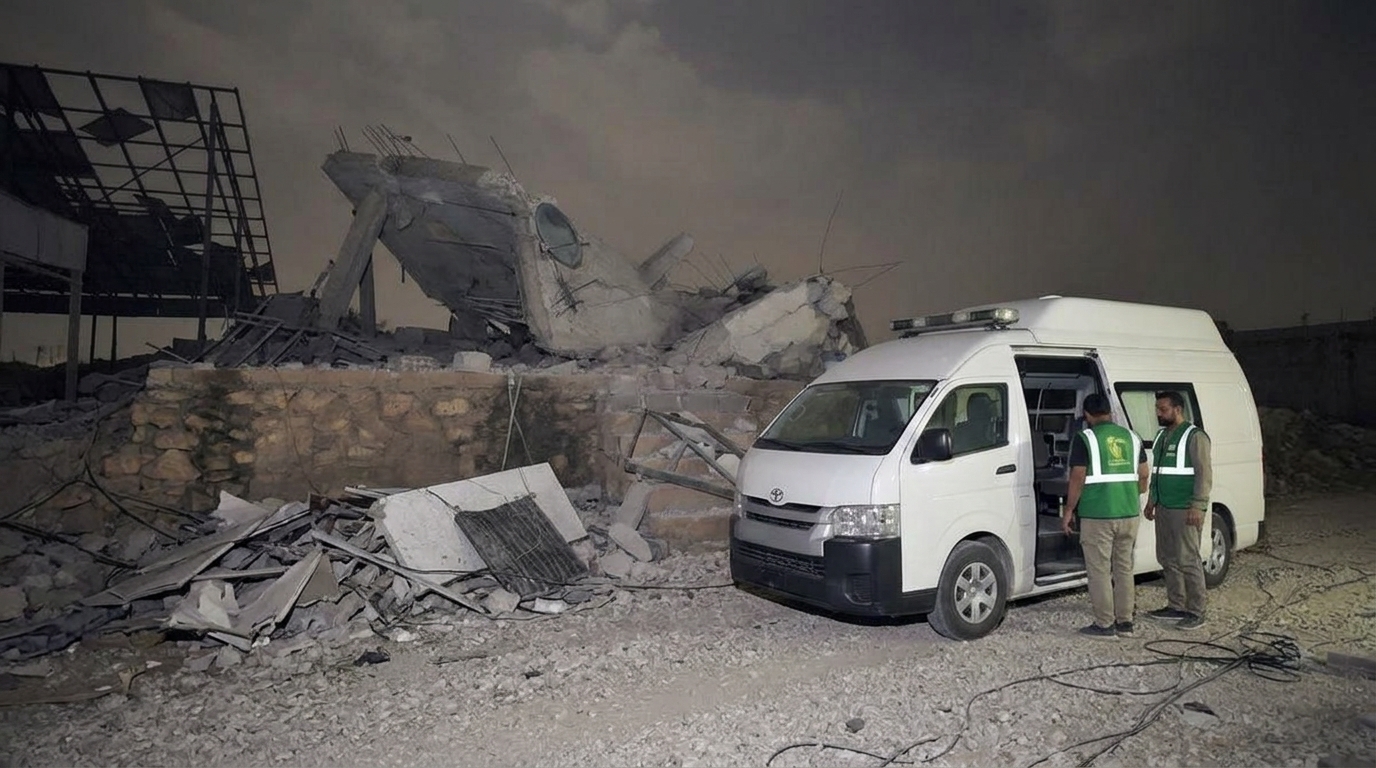
Jordanian armed forces carried out a deadly strike against a village in Syria following an earlier assault on a church. Syrian health officials confirmed that the military operation killed five people, including women and children. The incident highlights severe friction along the frontier as regional governments react forcefully to cross-border threats.
Key Takeaways
- Jordan struck a Syrian border village following a church attack, according to BBC News reporting.
- Health authorities in Syria confirmed five people died during the operation, including women and children.
- Cross-border military strikes create immediate humanitarian risks and complicate regional diplomatic security channels.
What Triggered the Cross-Border Strike by Jordan?
Jordan executed this cross-border military operation as direct retaliation after assailants struck a church, according to reporting from BBC News. The Jordanian government responded by deploying force across the frontier into a Syrian community. Syrian health officials confirmed that the strike killed five individuals, documenting that women and children were among those who died.
Cross-border strikes usually occur when one state believes armed groups exploit neighboring ungoverned spaces to mount operations. In our experience, sovereign nations often strike back swiftly to establish deterrence. When border surveillance detects hostile activity, military commanders launch targeted aerial or artillery missions against identified encampments.
- Monitor frontier statements: Track official bulletins from regional defense ministries to understand specific rules of engagement.
Why Do Retaliatory Operations Create Severe Civilian Hazards?
Retaliatory actions in populated settlements carry severe hazards because explosive munitions rarely discriminate within compact village boundaries. Syrian health officials confirmed that the strike killed five people, specifically identifying women and children among the casualties. Operating in inhabited terrain drastically amplifies lethal outcomes for non-combatants during rapid retaliatory missions.
Why do tactical operations in rural settlements carry such persistent risks for innocent families? Munitions launched into built-up villages inevitably cause blast fragmentation across residential structures. When security forces target rural safe havens, local non-combatants have neither warning sirens nor reinforced shelters to escape sudden incoming fire.
- Review humanitarian reports: Consult neutral medical assessment logs to gauge the true human impact of tactical strikes.
How Can Security Analysts Track Escalation Risks Along the Frontier?
Security analysts evaluate frontier stability by measuring whether retaliatory strikes remain isolated incidents or evolve into sustained campaigns. While Syrian health officials reported five deaths from this single village operation, ongoing threats against religious sites often spark repeated exchanges. Observers must watch diplomatic communication channels between neighboring governments to assess future volatility.
Border zones often lack coordinated law enforcement, allowing armed factions to stage cross-border raids that pull regular militaries into direct conflict. We've found that when border states establish emergency security hotlines, they reduce miscalculations. Without verified communication mechanisms, reciprocal violence rapidly outpaces formal diplomatic restraint.
- Track bilateral communiques: Observe joint security briefings between neighboring states to identify emerging ceasefire frameworks.
FAQ
What was the stated motive behind the Jordanian strike?
Jordan carried out the military strike in direct response to an attack on a church, as reported by BBC News. Retaliatory actions of this nature aim to punish perpetrators and signal that hostile acts against religious institutions will face armed consequences across the border.
Who reported the casualty figures inside Syria?
Syrian health officials released the casualty figures following the village strike, confirming five fatalities that included women and children, according to BBC News. Local medical authorities typically provide the initial verified casualty counts following cross-border air or artillery operations in these rural frontier regions.
Does this operation indicate a wider regional conflict?
While this specific incident involved a targeted retaliatory operation, cross-border actions carry inherent risks of wider friction between neighboring armed forces. When regular militaries engage targets inside adjacent sovereign territory, international observers monitor diplomatic channels to see if diplomatic negotiations can prevent further armed exchanges.
Cross-border strikes reflect how local vulnerabilities can quickly spill across sovereign boundaries, leaving civilian communities exposed to sudden military actions. Observers must continue watching how regional authorities coordinate security alongside humanitarian oversight in the coming weeks.
Stay informed with accurate, up-to-date global news coverage.
Sources
- Jordan carries out deadly strike in Syria in retaliation for church attack (BBC News): https://www.bbc.co.uk/news/articles/cq8ezg6dy6xlo?at_medium=RSS&at_campaign=rss