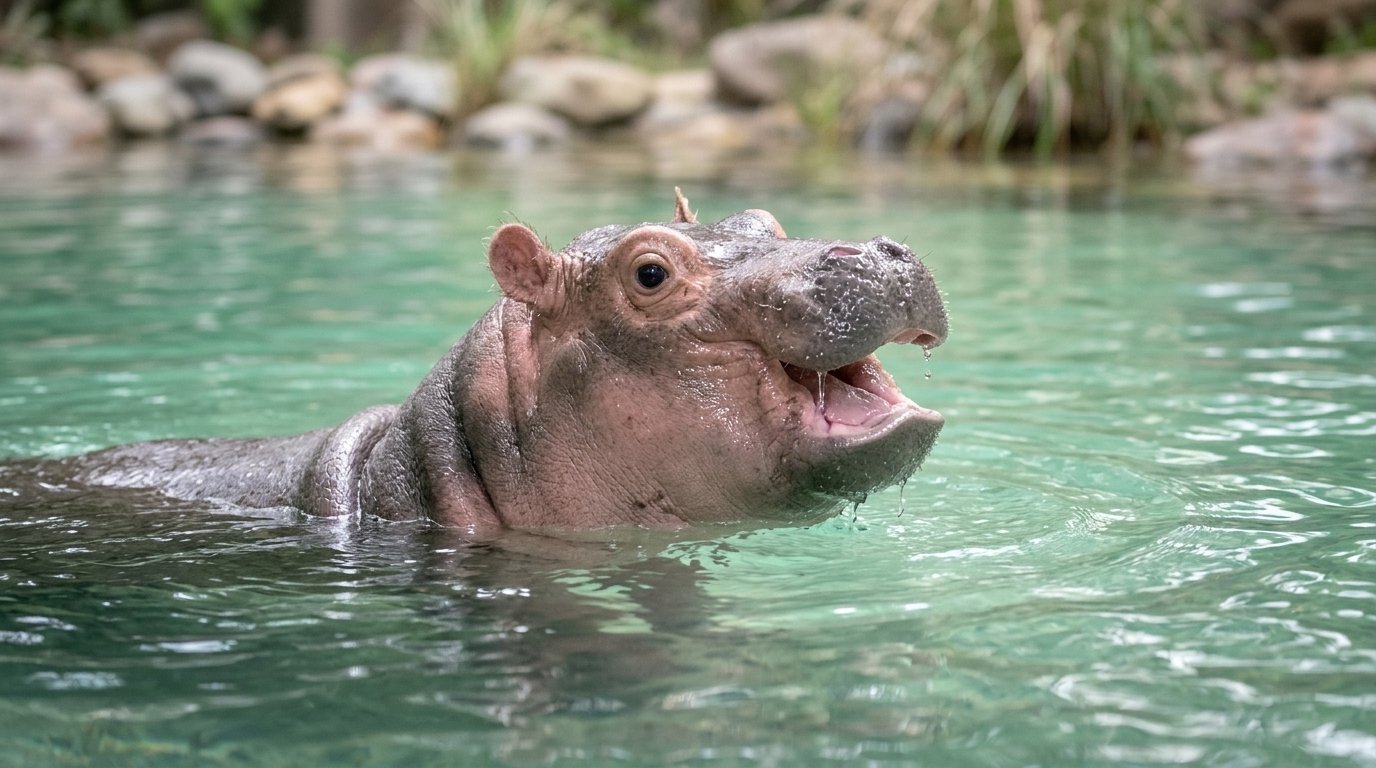
Cincinnati Zoo confirmed that its famous hippopotamus, Fiona, died days after ingesting a knitted hat that accidentally dropped into her enclosure. The animal gained global affection after surviving a premature birth in 2017, but staff reported she fought until she could not anymore. BBC News reported the tragic loss as animal caretakers mourned the social media star.
Key Takeaways
- Cincinnati Zoo announced that Fiona the hippopotamus passed away after swallowing a visitor hat.
- The animal first gained worldwide attention following her premature survival in 2017.
- Ingested textiles cause severe internal blockages in large herbivores that veterinary interventions cannot always resolve.
What Caused the Loss of Cincinnati Zoo's Hippo Fiona?
Cincinnati Zoo confirmed that Fiona died days after accidentally consuming a knitted hat that entered her enclosure. Caretakers stated the hippo fought until she could not fight anymore, but internal complications from the foreign garment proved fatal. The incident ended the life of an animal celebrated globally since her premature birth in 2017.
The animal had captured public affection worldwide since BBC News covered her survival story as a premature calf in 2017. Her unexpected death highlights how everyday personal items create lethal hazards when they tumble past perimeter boundaries into zoological spaces.
Can single pieces of clothing genuinely overpower veterinary intervention in large mammals? When a dense fabric moves into an animal digestive tract, synthetic fibers do not break down. The material bundles within stomach compartments, cutting off natural digestive pathways and triggering systemic physiological decline.
- Habitat inspection: Verify perimeter barriers and visitor viewing zones before introducing small items near open enclosures.
Why Do Ingested Garments Threaten Large Herbivores?
Textiles create physical obstructions within herbivore digestive systems because stomach acids cannot disintegrate dense fibers. In our experience, foreign materials form an unyielding plug that stops the passage of nutrients, causing severe inflammation and rapid physical distress. Once an obstruction lodges deep inside gastrointestinal tracts, surgical extraction in large megafauna carries immense clinical risk.
Hippos consume substantial amounts of vegetation, relying on steady digestion across specialized stomach chambers. When a bulky textile like a knitted cap blocks these chambers, gas accumulates and pressure builds against vital organs. The resulting tissue damage spreads rapidly, leaving veterinary teams with limited non-invasive treatment pathways.
BBC News noted that Fiona struggled for several days under intensive observation before succumbing to these complications. Ingested debris often evades immediate detection until behavioral shifts signal profound physical distress, making early intervention remarkably difficult for caretakers.
- Threat awareness: Report any dropped personal items to zoo staff immediately before animals interact with foreign materials.
How Can Zoological Parks Prevent Foreign Object Ingestion?
Zoological facilities reduce foreign object ingestion by installing fine safety netting, angled viewing walls, and strict visitor buffer zones. These physical installations catch dropped possessions like hats, gloves, and phones before they land within reach of wildlife. Routine perimeter checks and continuous public briefings provide an additional operational layer to keep exhibits clear.
Visitor behavior remains the primary source of foreign debris entering animal spaces. We have found that clear reminder notices at viewing windows help guests secure loose apparel before leaning over observation rails. Caretakers also patrol water surfaces daily to extract rogue items before resident animals detect them.
Staff training focuses on rapid retrieval drills when unauthorized objects breach fences. Quick extraction prevents curious animals from mouthing novel shapes out of playful curiosity, preserving a sanitary and controlled environment across all outdoor quarters.
- Exhibit protection: Secure loose hats, accessories, and personal belongings in bags before standing near open wildlife habitats.
FAQ
What happened to Fiona the hippo at Cincinnati Zoo?
Fiona the hippopotamus died at Cincinnati Zoo after swallowing a knitted hat that fell into her enclosure. According to BBC News, the famous animal fought the resulting internal complications for days before passing away, devastating caretakers who had nurtured her since 2017.
Why was Fiona so well known around the world?
Fiona achieved international fame as a social media sensation following her premature birth in 2017 at Cincinnati Zoo. Her battle to survive against severe medical odds inspired millions of followers globally, making her an enduring symbol of zoological resilience and animal care dedication.
Why are swallowed hats fatal to hippopotamuses?
Swallowed hats cause acute gastrointestinal obstruction in hippopotamuses because digestive acids cannot dissolve tough knitted fabrics. The garment blocks the digestive tract, preventing nutrition absorption, trapping internal gases, and inducing severe organ damage that veterinary teams struggle to reverse safely in massive herbivores.
Zoological institutions worldwide continue refining enclosure boundaries and visitor policies to safeguard captive wildlife from preventable foreign object accidents.
Stay informed with accurate, up-to-date global news coverage.
Sources
- Fiona the hippo dies after swallowing a hat at Cincinnati Zoo (BBC News): https://www.bbc.co.uk/news/articles/cwz0k3172xzko?at_medium=RSS&at_campaign=rss