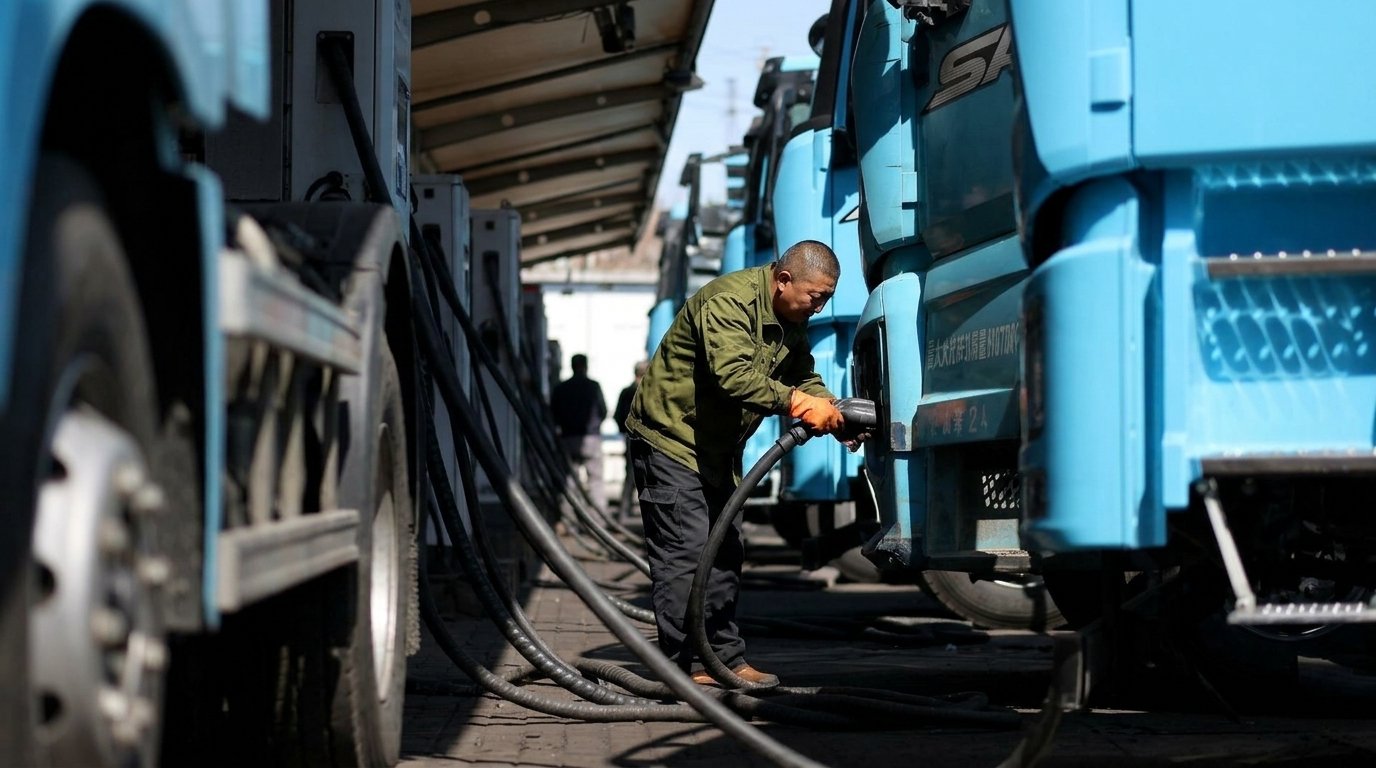
Global oil shocks tied to the Iran conflict are accelerating international adoption of electric vehicles and renewable power generation. As reported by The New York Times on November 19, 2026, an energy transition assessment confirms that fossil fuel volatility is pushing transport sectors toward alternative power. Escalating fuel instability forces governments and consumers to seek immediate shielding from unpredictable pricing.
Key Takeaways
- Fuel price volatility from international conflict is pushing commercial fleets and households toward electric transport.
- A November 2026 report documented by The New York Times highlights faster deployment of renewable power.
- Supply disruptions create persistent economic incentives that outlast short-term market stabilization measures.
How Do Global Oil Shocks Push Drivers Toward Electric Cars?
Surging petroleum prices immediately change consumer calculations by raising the operating cost of combustion engines relative to electrified alternatives. When fuel prices spike during wartime disruption, drivers experience immediate budgetary pressure at the pump. This financial strain rapidly shifts purchasing preferences toward electric vehicles because electricity generation relies on diversified domestic inputs rather than vulnerable overseas imports.
High volatility destroys predictable operating budgets for private motorists and commercial transport operators alike. When filling a fuel tank becomes an unpredictable expense, electric options offer stability. Charging costs fluctuate far less than imported crude oil. How long can logistics companies absorb doubling fuel costs before updating their transport fleets?
- Fleet cost analysis: Review your transport operating expenses today and evaluate whether electrifying commercial routes limits your exposure to unpredictable fuel markets.
Why Does Conflict Accelerate Renewable Energy Deployment?
Geopolitical conflict disrupts crude distribution networks, compelling regional power grids to accelerate domestic renewable energy installations. War-driven oil shocks expose the severe risks of fossil fuel dependency. In response, energy authorities expedite solar and wind projects to establish national energy sovereignty and insulate municipal power systems from volatile international markets.
Renewable power installations provide immediate price transparency that fossil generation cannot match. Sunlight and wind do not experience shipping blockades or international embargoes. Clean installations deliver predictable baseline electricity while maritime trade faces security risks. Who can afford to ignore such domestic energy security during a crisis?
- Energy audit timing: Schedule a clean energy assessment for your facilities to identify onsite power options before regional fuel costs climb higher.
What Long-Term Economic Shifts Follow Fuel Market Shocks?
Market shocks trigger permanent infrastructure investments that prevent economies from reverting to heavy fossil fuel reliance once hostilities end. Capital allocated toward charging networks, grid modernization, and clean generation creates permanent operating efficiencies. These structural adjustments lower future transition costs, making clean technology the default economic choice across key industrial sectors.
History shows that supply crises fundamentally reshape capital expenditure priorities across global industries. When governments and corporations commit capital to battery supply chains, they rarely write off those assets later. In our experience, high prices permanently alter consumer behavior by removing the initial hesitation surrounding clean alternatives.
- Capital allocation check: Examine your capital budget to ensure current infrastructure plans do not lock your operations into volatile petroleum supply lines.
FAQ
What caused the recent surge in clean energy adoption?
A November 19, 2026 report covered by The New York Times showed that global oil shocks from the Iran war accelerated adoption. When crude oil distribution faces disruption, the acute rise in fuel expenses creates an immediate economic justification for purchasing electric vehicles and expanding renewable energy systems.
Why are electric vehicles favored during international fuel crises?
Electric vehicles insulate drivers and commercial fleet operators from severe fuel pump price swings. Because domestic power grids draw electricity from diverse local sources, charging costs remain substantially more stable than petroleum prices, protecting commercial margins and household budgets during extended geopolitical instability.
How do oil market shocks affect national power grids?
Severe disruptions in oil supplies force energy regulators to prioritize domestic resilience over imported fossil fuels. Regulators fast-track wind, solar, and storage projects to protect local economies. These rapid additions help utilities balance load requirements without relying on vulnerable international oil trade lanes.
Energy transitions often accelerate during moments of severe geopolitical crisis rather than during periods of calm stability. As regional tensions continue to reveal the vulnerabilities of fossil fuel dependency, the rapid transition toward electrification and renewable power generation will likely redefine global energy infrastructure for decades to come.
Stay informed with accurate, up-to-date global news coverage.
Sources
- Unexpected Fallout From the Iran War (NYT > World News): https://www.nytimes.com/2026/11/19/climate/iea-energy-transition-electric-cars.html