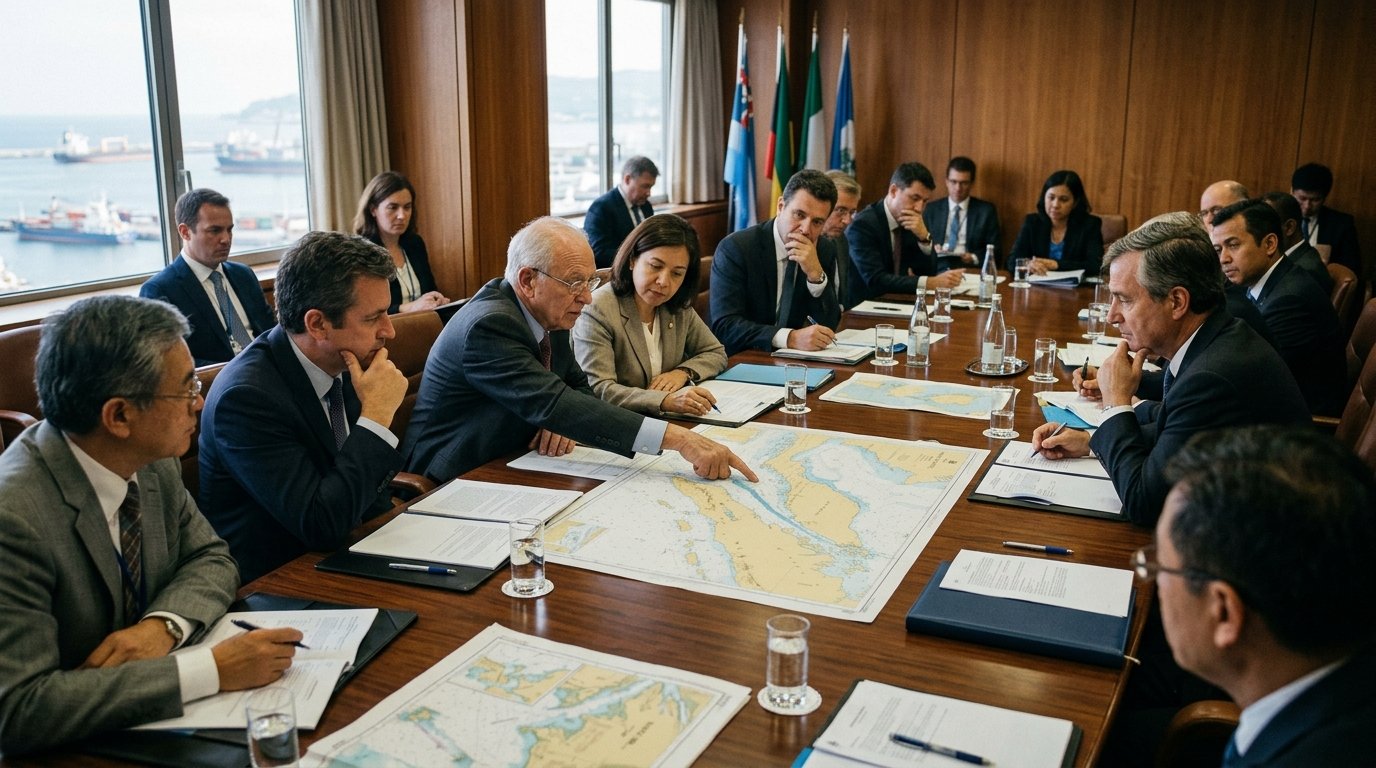


Detained Tunisian flotilla activists are experiencing severe physical deterioration following sustained hunger strikes and prolonged isolation in detention facilities. Reports from Al Jazeera confirm that family members face acute distress due to restricted communication, legal uncertainty, and the absence of clear medical updates regarding their relatives.
Key Takeaways
- Detained Tunisian activists report declining health conditions amid ongoing hunger strikes.
- Families highlight the psychological strain caused by communication blackouts and legal limbo.
- Medical risks increase significantly as fasting extends without independent health monitoring.
- International legal advocates continue to demand regular welfare assessments and consular access.
What Drives the Deteriorating Health of Detained Activists?
Prolonged hunger strikes among detained activists directly trigger rapid physiological breakdown, including acute electrolyte depletion, severe muscle wasting, and cardiovascular strain. When detainees refuse food while in custody, metabolic stress accelerates within days. Without independent clinical observation, underlying chronic conditions worsen rapidly, putting the individuals at immediate risk of irreversible organ damage and systemic failure.
In our experience, custodial facilities often lack specialized protocols to manage voluntary fasting safely. The physiological decline accelerates when detainees experience high psychological stress from isolation. Extended fasting forces the human body to consume stored glycogen, lipids, and eventually skeletal muscle protein. Dehydration compounds these metabolic deficits, rapidly impairing kidney function and lowering baseline blood pressure.
Why does prolonged confinement amplify physical decline during a strike? Confinement limits movement, while poor ventilation and inconsistent temperature regulation increase the body's metabolic burden. Families reporting through Al Jazeera emphasize that this medical decline creates an urgent humanitarian emergency that demands swift intervention from independent physicians.
- Monitor health indicators: Track verified medical updates through independent human rights observers and legal aid groups.
How Does Continued Uncertainty Affect Activist Families?
Prolonged detention without predictable timelines inflicts severe psychological trauma on families, who struggle with sudden separation and an absence of direct information. Family members must navigate opaque administrative channels while trying to establish basic welfare details. This persistent ambiguity prevents relatives from securing timely legal remedies or arranging specialized medical support.
Families endure acute stress when custodial authorities withhold direct visitation rights and phone privileges. The inability to confirm a relative's physical state produces chronic anxiety. Relatives frequently mobilize public campaigns to break the silence surrounding detained flotilla members. Their public appeals seek to compel authorities to provide regular, transparent updates concerning detainee welfare and custodial conditions.
Advocacy networks work alongside these families to document conditions inside detention centers. Clear communication remains the primary tool for reducing family distress and protecting the basic legal dignity of detained individuals.
- Document family appeals: Support family advocacy networks by sharing verified statements and official human rights notices.
What Legal Mechanisms Address Custodial Medical Crises?
International humanitarian standards require detaining authorities to provide adequate medical oversight, humane treatment, and unobstructed access to legal counsel for all prisoners. When detainees engage in hunger strikes, authorities must uphold fundamental human dignity and prevent coerced medical interventions. Establishing formal consular visits and independent health checks helps ensure detaining bodies comply with global custody norms.
Legal representatives rely on international treaties to petition for immediate welfare reviews and third-party physician access. Standard protocols dictate that neutral medical professionals evaluate fasting prisoners without custodial interference. These clinical assessments provide objective records that legal teams use to challenge prolonged detention and arbitrary isolation measures.
- Follow legal petitions: Review international filings and petitions submitted to regional human rights bodies by legal defense teams.
FAQ
Why are the detained Tunisian activists on a hunger strike?
Activists utilize hunger strikes inside custodial facilities to protest their detention, challenge restrictive conditions, and demand immediate legal resolution. This form of protest represents a nonviolent measure to draw international attention to their confinement and to highlight ongoing grievances regarding their treatment and legal status.
What primary health risks do fasting detainees face?
Fasting detainees face rapid electrolyte imbalances, kidney dysfunction, severe hypotension, and eventual cardiac arrhythmias. Extended food deprivation forces the body to metabolize vital muscle tissue and compromises the immune system, making individuals vulnerable to secondary infections and long-term organ damage without continuous medical supervision.
How can families obtain verifiable updates on detainees?
Families rely on legal defense attorneys, consular representatives, and accredited humanitarian organizations to obtain formal updates. These official intermediaries submit formal inquiries to detaining authorities, request routine welfare checks, and facilitate communication channels between detainees, medical staff, and their relatives.
The ongoing situation surrounding the detained Tunisian flotilla activists underscores the urgent need for transparent detention practices, prompt medical oversight, and open communication channels for affected families.
Stay informed with accurate, up-to-date global news coverage.
Sources
- Detained Tunisian flotilla activists: Worsening health amid family anguish (Al Jazeera – Breaking News, World News and Video from Al Jazeera): https://www.aljazeera.com/news/2026/9/27/detained-tunisian-flotilla-activists-worsening-health-amid-family-anguish?traffic_source=rss