A Russian military strike on a Ukrainian humanitarian hub killed dozens of people in the Zaporizhzhia region, The New York Times reported on November 2, 2026. The lethal bombardment took place only one day after a brief humanitarian truce expired in neighboring Kherson. This rapid transition from a temporary pause to fatal bombardment shows how vulnerable civilian aid operations remain during the conflict.
Key Takeaways
- A Russian strike hit a humanitarian hub in Ukraine's Zaporizhzhia region, killing dozens of civilians.
- The attack occurred just twenty-four hours after a short humanitarian truce lapsed in nearby Kherson.
- Frontline aid operations face immediate danger as temporary local ceasefires break down without lasting security guarantees.
What Happened During the Zaporizhzhia Strike?
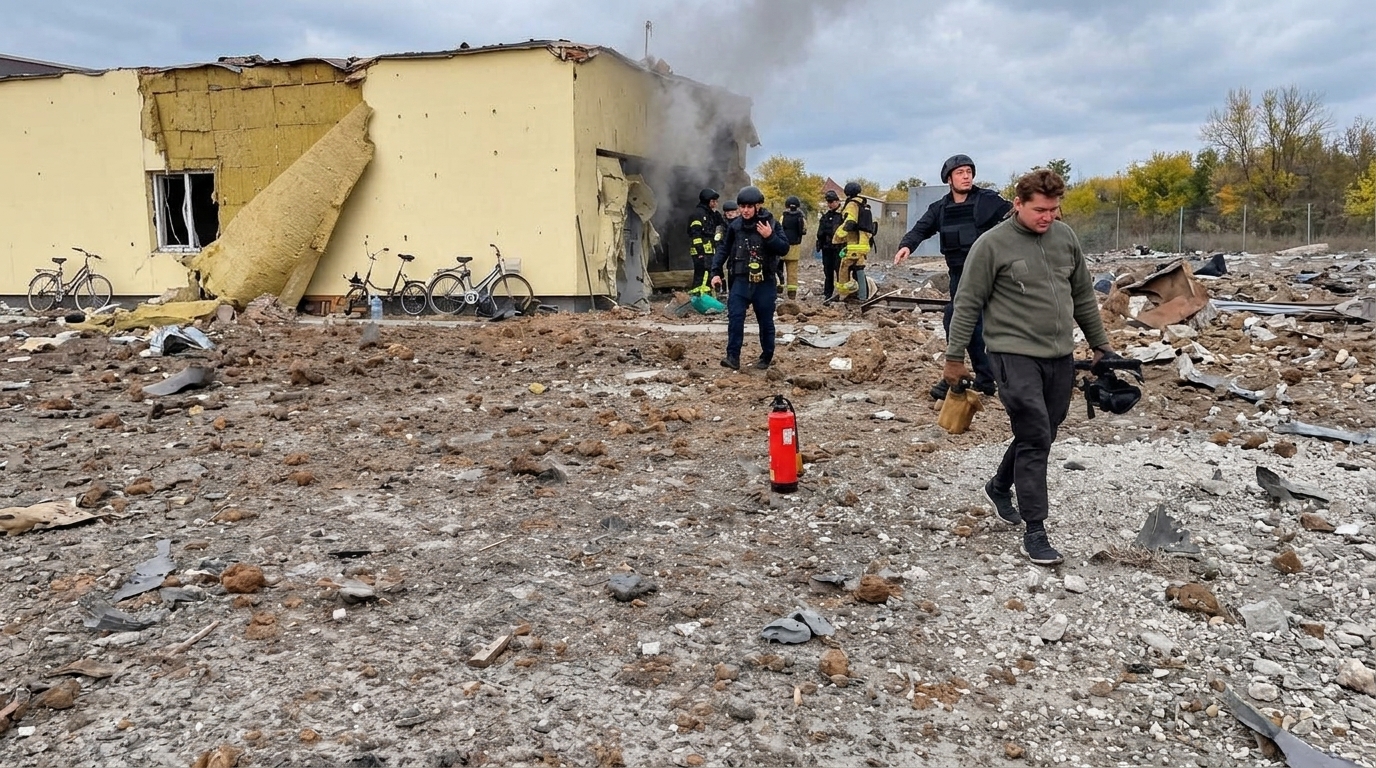
Russian forces hit a designated humanitarian aid hub in the Zaporizhzhia region, causing dozens of fatalities among people gathered for assistance. The New York Times confirmed the fatal strike on November 2, 2026, marking one of the deadliest single incidents targeting civilian relief infrastructure in recent months.
Aid distribution centers gather large groups of vulnerable residents who need food, drinking water, and basic medical supplies. When military strikes target these fixed points, civilian casualties escalate rapidly because people have nowhere to take immediate cover during active distribution hours.
In our experience tracking front-line logistics, civilian facilities in contested southern provinces bear immense pressure whenever hostilities resume. The concentration of non-combatants around essential distribution sites makes any direct hit catastrophic for local relief networks and emergency responders.
- Relief site monitoring: Track regional emergency warnings and disperse supply distributions across multiple separate locations to reduce crowd density.
Why Did the Timing Follow the Kherson Truce?
The bombardment hit Zaporizhzhia exactly one day after a temporary humanitarian truce expired in neighboring Kherson. Local pauses often freeze hostilities along one sector while combat preparations continue behind the lines, leaving nearby operational zones exposed to immediate retaliation as soon as official agreements terminate.
Humanitarian ceasefires depend on verified compliance across adjacent battle sectors. When the pause in Kherson concluded without an extension, offensive operations resumed across southern sectors, demonstrating how isolated local truces fail to protect adjacent civilian populations across provincial boundaries.
Without broader enforcement mechanisms, opposing forces quickly shift firepower to adjacent operational zones. Combat units treat the conclusion of a temporary pause as a direct signal to renew high-intensity strikes against logistics centers across provincial boundaries.
- Ceasefire window assessment: Verify the expiration status of localized truces in bordering districts before staging mass aid convoys in active regions.
What Does This Mean for Ukraine's Aid Corridors?
The fatal strike disrupts critical aid corridors across southern Ukraine, forcing relief agencies to reconsider how they deliver life-saving supplies to front-line communities. When humanitarian sites become primary targets, international and domestic relief organizations must halt open-air food distributions and decentralize storage networks to protect volunteers and recipients.
Southern Ukrainian regions rely heavily on interconnected supply routes moving cargo between Kherson, Zaporizhzhia, and central logistics centers. Disrupting a key hub cuts off surrounding rural villages that depend exclusively on weekly scheduled deliveries for sustenance and medicine.
Relief groups will likely shift from public community centers toward mobile drops and direct door-to-door deliveries. This approach limits gathering sizes, though it dramatically increases operational transit times and fuel costs for already strained humanitarian missions.
- Distribution protocol review: Replace static regional collection points with randomized, smaller distribution hubs to shield aid workers and local civilians.
FAQ
Where did the deadly humanitarian strike take place?
The attack occurred at a humanitarian relief hub in Ukraine's southern Zaporizhzhia region. The New York Times reported on November 2, 2026, that the Russian strike killed dozens of people gathered at the site to receive critical life-saving assistance and food provisions.
How was the attack connected to the Kherson truce?
The Zaporizhzhia strike occurred just one day after a brief humanitarian truce expired in neighboring Kherson. Once that temporary agreement concluded, active military strikes immediately resumed across the southern front line, directly endangering civilian aid sites located in nearby operational sectors.
Who reported the casualties from the Zaporizhzhia hub strike?
The New York Times reported the fatal attack on November 2, 2026, confirming that dozens of victims died at the humanitarian hub. The report underscored the severe perils confronting relief operations across southern Ukraine as combat actions intensify following lapsed ceasefires.
Securing humanitarian corridors remains an urgent challenge as localized truces break down across southern Ukraine. Without durable international protection agreements for aid centers, vulnerable civilians gathering for essential sustenance will continue facing life-threatening risks along the volatile front lines.
Stay informed with accurate, up-to-date global news coverage.
Sources
- Russian Strike on Ukraine Humanitarian Hub Kills Dozens (NYT > World News): https://www.nytimes.com/2026/11/02/world/europe/russian-strike-zaporizhzhia-ukraine.html