Street demonstrations over the cost of living escalated into widespread unrest across major German cities, prompting emergency police deployments. BBC News reported that looters targeted retail stores in downtown commercial districts during the disturbances. Public demonstrations in Frankfurt turned into violent riots, with parallel street disorder spreading rapidly to Berlin, Hamburg, and Cologne.
Key Takeaways
- Violent unrest broke out across central Frankfurt, Berlin, Hamburg, and Cologne during cost of living demonstrations.
- Retail businesses suffered property damage and looting as crowds clashed with local police.
- Law enforcement officials in Frankfurt categorized the downtown disturbances as violent riots.
What Sparked the Riots in German Downtown Districts?
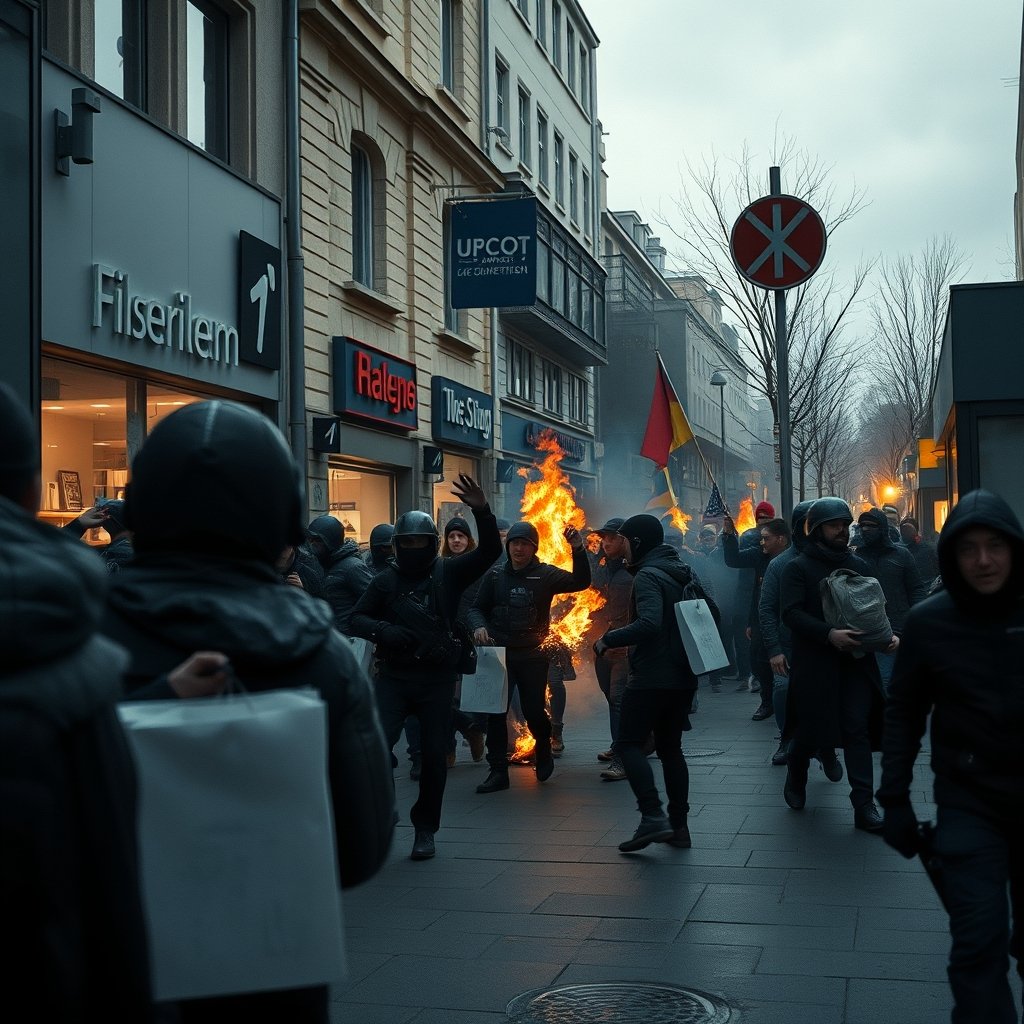
Public anger over rising living expenses triggered demonstrations that rapidly deteriorated into street clashes and property destruction in several German city centers. BBC News reported that initial protests against economic pressures turned aggressive when individuals targeted commercial storefronts, transforming standard demonstrations into chaotic urban confrontations.
Commercial corridors bore the brunt of the immediate property destruction. Protesters moved through central streets where retail outlets became targets for looting. The transition from peaceful assembly to property crime occurred swiftly, leaving business owners unable to protect merchandise before law enforcement could secure the perimeters.
- Secure store perimeters: Install protective window barriers and clear valuable floor inventory during scheduled downtown rallies.
How Far Did the Civil Unrest Spread Across Major Cities?
Civil disturbances spread beyond a single municipal center, impacting major metropolitan areas across Germany simultaneously. While Frankfurt police confirmed severe downtown rioting, municipal authorities in Berlin, Hamburg, and Cologne also recorded significant street disorder, demonstrating a concurrent surge of public unrest throughout multiple regional hubs.
Police forces faced distributed operational pressure as demonstrations broke out concurrently across western and northern hubs. Officers attempted to isolate crowds in downtown Frankfurt while monitoring auxiliary gatherings in Berlin, Hamburg, and Cologne. This geographic spread stretched emergency response resources and hindered rapid containment efforts in commercial zones.
- Check municipal advisories: Review official police travel guidance before commuting through metropolitan commercial districts during large public demonstrations.
What Challenges Confront Law Enforcement During Urban Riots?
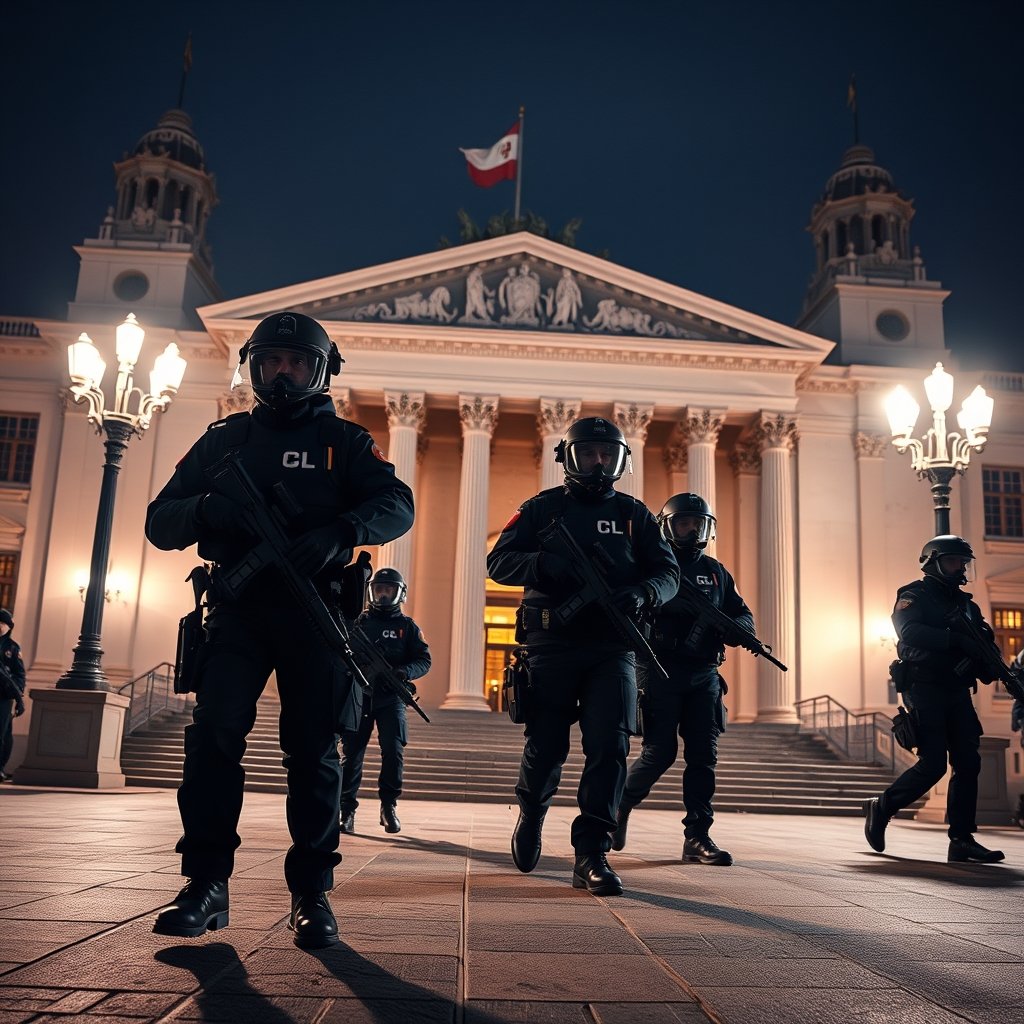
Emergency responders faced intense difficulties separating peaceful economic protesters from violent groups intent on looting downtown businesses. Frankfurt police explicitly designated the central clashes as violent riots, indicating that standard crowd control methods proved insufficient to prevent coordinated property theft and street disruptions across vulnerable urban commercial sectors.
Controlling sudden crowd surges in dense retail areas requires rapid tactical adjustments. When demonstration routes intersect with shopping districts, opportunists can quickly break display glass and seize goods before cordon lines form. Maintaining public safety while safeguarding private retail property remains a critical operational hurdle during large economic rallies.
- Monitor transit alerts: Track real-time public transportation reroutes to avoid congested city centers during active civil unrest.
FAQ
Where did the cost of living riots occur in Germany?
Civil unrest occurred primarily in central Frankfurt, where police documented violent riots and store looting. In addition to Frankfurt, widespread street disturbances were reported across three other major metropolitan centers: Berlin, Hamburg, and Cologne, affecting key downtown commercial districts in each municipality.
Were retail businesses damaged during the protests?
Yes, retail stores were directly affected by the disturbances. BBC News confirmed that shops were looted as the cost of living demonstrations escalated into violence. Commercial storefronts in city centers experienced property destruction and merchandise theft as crowds clashed with police officers responding to the riots.
How did police classify the events in Frankfurt?
Frankfurt police officially designated the downtown clashes as violent riots. The classification reflects the severe escalation from standard civic demonstrations to organized property destruction, commercial looting, and physical confrontations with municipal law enforcement officers attempting to maintain urban order across the city centre.
Urban centers in Germany face ongoing security scrutiny as authorities evaluate property damage from the recent cost of living protests. Municipal leaders and business groups continue to monitor public safety conditions across Frankfurt, Berlin, Hamburg, and Cologne. Stay informed with accurate, up-to-date global news coverage.
Sources
- Shops looted as German cost of living protests turn violent (BBC News): https://www.bbc.co.uk/news/articles/cqj34gnd3n30o?at_medium=RSS&at_campaign=rss