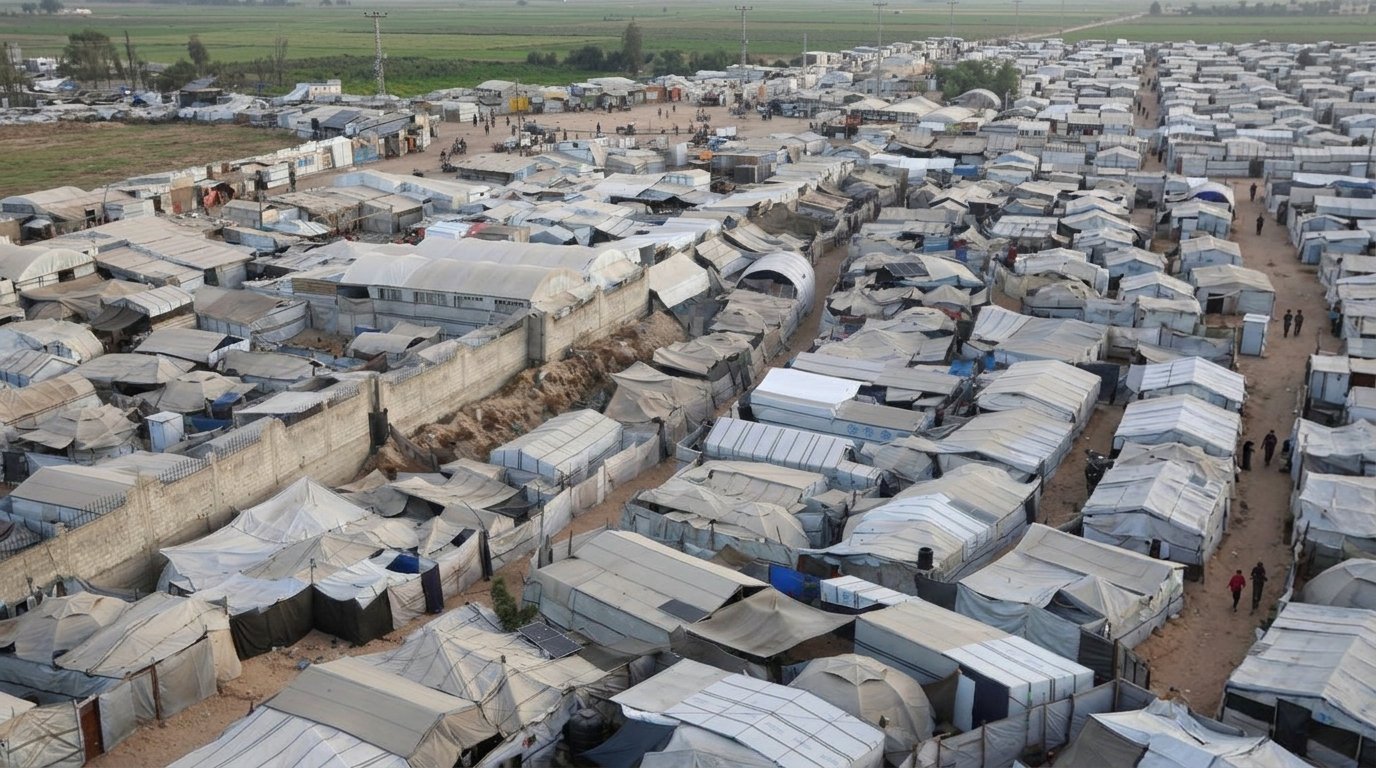
Five European governments have joined forces to transfer rejected asylum seekers to an offshore return hub in Rwanda. According to reporting from The New York Times on November 16, 2026, Germany, Austria, the Netherlands, Greece, and Denmark are actively pursuing this coordinated framework. This move signals a collective departure from domestic deportation procedures toward shared third-country facilities.
Key Takeaways
- Five European partner states plan to establish a shared deportation facility in Rwanda.
- Germany, Austria, the Netherlands, Greece, and Denmark are coordinating the joint initiative.
- The project focuses specifically on individuals whose formal asylum petitions faced domestic rejection.
- The initiative transfers post-decision processing and return logistics outside European Union territory.
Which European Nations Are Building the Rwanda Deportation Hub?
Five specific European nations are driving this offshore initiative: Germany, Austria, the Netherlands, Greece, and Denmark. As The New York Times reported on November 16, 2026, these five governments seek to establish a common facility in Rwanda to receive people whose asylum applications have already been formally rejected by national courts.
You can see how this alliance unites states from different geographic corners of Europe. Greece faces external maritime border pressure, while Germany, Austria, and the Netherlands manage internal secondary movement. Denmark has long sought external transfer models. Their combined diplomatic weight creates a unified front that individual governments struggled to maintain alone.
- Monitor national announcements: Track ministerial statements from the five participating interior ministries to verify when formal bilateral treaties with Rwanda reach parliamentary ratification votes.
How Does the Proposed Third-Country Deportation Mechanism Work?
The offshore return mechanism works by transferring individuals with finalized asylum rejections directly from European soil to an administrative center in Rwanda. Instead of organizing complex bilateral deportations to dozens of distinct origin nations, participating European states hand over post-rejection transit and accommodation logistics to an established central hub.
In our experience tracking cross-border migration policy, domestic return processes collapse when countries of origin refuse repatriation travel documents. By relying on an agreed third-country partnership, European authorities bypass those diplomatic stalemates. Rwanda provides the secure residential infrastructure, while the coalition finances site management and handles administrative handoffs.
- Review deportation guidelines: Consult official immigration authority circulars in partner countries to understand how final negative asylum rulings trigger transfer eligibility under third-country arrangements.
What Obstacles Confront the European Partnership with Rwanda?
Legal challenges and treaty compliance represent the primary obstacles confronting this five-nation plan with Rwanda. European human rights conventions, judicial scrutiny over non-refoulement obligations, and international oversight bodies will rigorously examine whether rejected applicants face safety risks or procedural denial once planes depart European airspace for East Africa.
Judges will question transfers where applicants have zero prior connections to the receiving African country. Coalition planners must build ironclad safeguards against secondary displacement to satisfy both domestic judges and regional courts. Without binding guarantees on housing conditions and legal representation, national court challenges could freeze flight operations immediately.
- Follow court challenges: Observe legal docket filings across European administrative courts as human rights advocates submit emergency injunction requests against relocation flights.
FAQ
Which countries are participating in the Rwanda deportation initiative?
The New York Times confirmed on November 16, 2026, that Germany, Austria, the Netherlands, Greece, and Denmark are coordinating this shared offshore project. These five European partners intend to establish a collaborative return facility in Rwanda to manage individuals whose asylum requests have been conclusively turned down.
Does the Rwanda plan apply to active asylum seekers?
No, the five-nation proposal targets only rejected asylum seekers who have exhausted all regular domestic appeals. Individuals still awaiting initial protection determinations will remain within national legal systems. The Rwandan site functions strictly as an offshore return center rather than a venue for processing initial refugee status claims.
Why did these five nations choose a shared hub model?
Unilateral deportation efforts frequently stall because individual governments struggle to secure travel clearances from non-cooperative origin countries. By pooling diplomatic and financial resources, the five-nation bloc creates an alternative departure route, easing pressure on domestic detention capacities while testing whether multinational offshore centers deter irregular entries.
Cross-border migration enforcement in Europe is undergoing a decisive shift toward collaborative offshore operations. If Germany, Austria, the Netherlands, Greece, and Denmark successfully operationalize their Rwandan return facility, other capitals across the continent will likely study the blueprint to overhaul their own repatriation infrastructure.
Stay informed with accurate, up-to-date global news coverage.
Sources
- Five European Countries Plan to Deport Migrants to Rwanda (NYT > World News): https://www.nytimes.com/2026/11/16/world/europe/deport-rwanda-asylum-migration.html