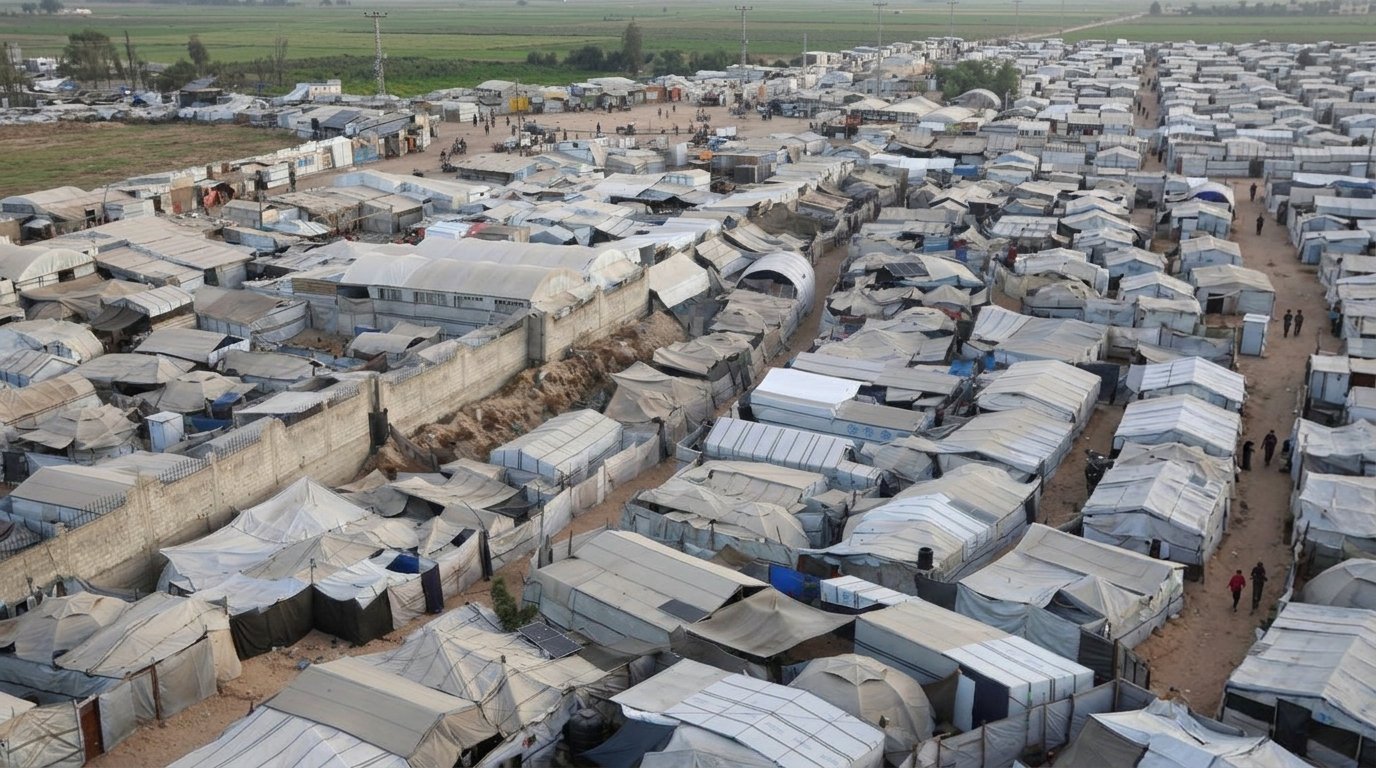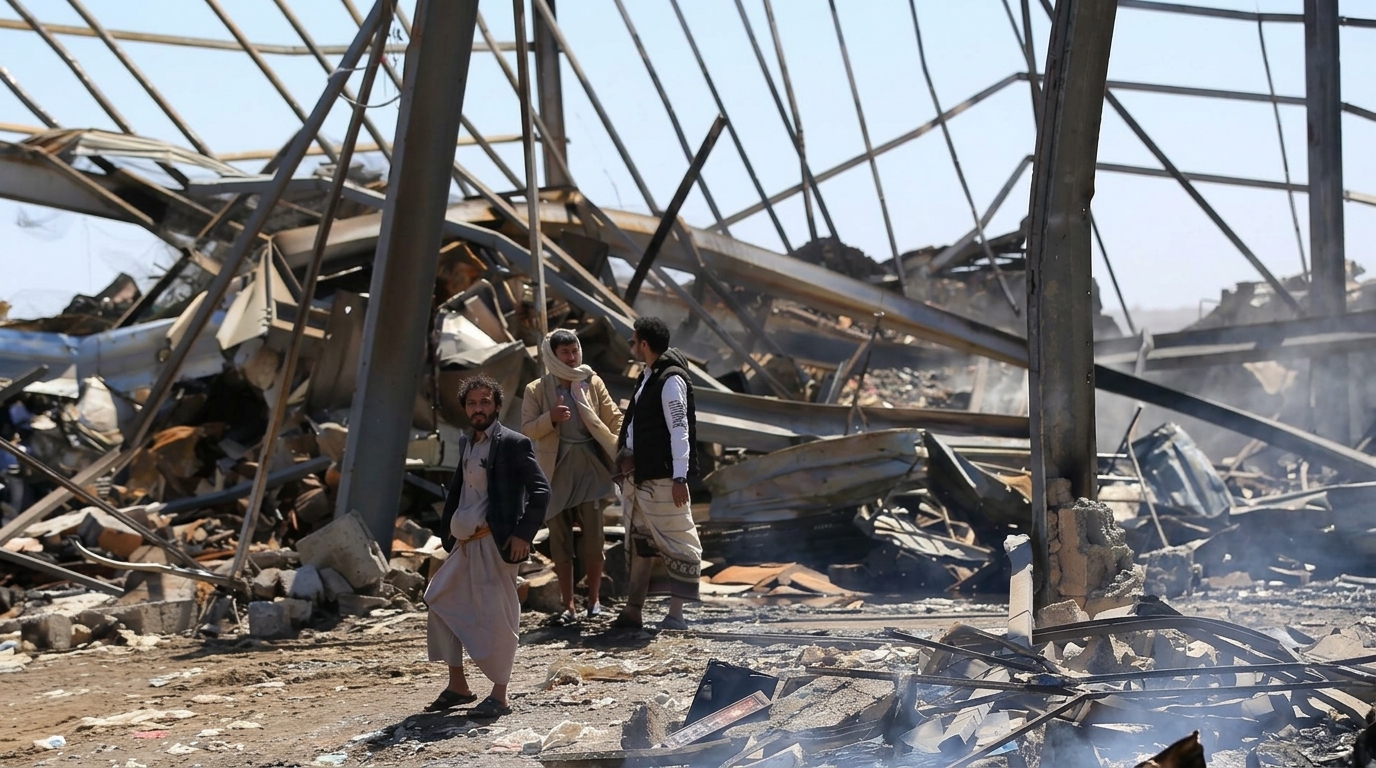
Territorial gains by Iran-backed Houthi forces in Yemen threaten broader commercial security across vital trade routes. Reporting from BBC News indicates that the rebel movement is expanding its ground presence, creating immediate ripple effects for international commerce. In our experience, sudden shifts in control along key strategic territory quickly translate into heightened friction for merchant traffic.
Key Takeaways
- Houthi rebel fighters are expanding territorial control across critical sectors of Yemen.
- Reporting from BBC News warns that these military advances threaten wider international economic stability.
- Commercial supply chains face severe pressure whenever armed movements expand operational influence near global trade lanes.
What Is Happening on the Ground in Yemen?
Iran-backed Houthi fighters are making steady territorial advances across contested areas of Yemen. According to analysis from the BBC security correspondent, the armed group is gaining ground against opposing factions. This expansion alters regional military balances and heightens operational hazards across adjoining commercial pathways.
When insurgent forces seize territory, they extend their physical reach over crucial transport links. You see defensive lines shift, which exposes commercial corridors to direct military pressure. Local advances don't stay confined to remote battlefields for long. How can supply networks remain unaffected when armed groups expand right beside vital economic arteries?
- Monitor transit notices: Check daily regional security updates from maritime authorities before clearing cargo along vulnerable transit routes.
Why Could Territorial Shifts Destabilise the Global Economy?
Territorial gains by Houthi forces introduce direct financial instability by raising the risks of cross-border trade. BBC News reports that rebel progress could trigger dangerous consequences for worldwide commerce. Expanding control lets local combatants threaten merchant lines, forcing cargo operators into longer, costlier alternative routes.
Longer maritime routes drive up fuel consumption, delay industrial deliveries, and trigger sharp increases in commercial insurance premiums. In our experience, when strategic transit hubs face prolonged disruption, consumer goods and manufacturing components become significantly more expensive. Instability in a single conflict zone quickly inflates operating expenses across entire international markets.
- Audit supply buffers: Increase your inventory reserves for critical goods to absorb potential delays caused by regional route closures.
How Can Global Businesses Manage Ongoing Regional Volatility?
Organizations must protect their operations by diversifying logistical paths away from active conflict areas. Proactive route management shields supply chains when armed groups expand their presence. By securing backup transport contracts early, companies prevent costly supply freezes whenever geopolitical tensions escalate unexpectedly.
We've found that resilient enterprises don't wait for supply corridors to close before testing alternate itineraries. You can split shipments across multiple freight channels and establish flexible delivery windows with your primary vendors. Maintaining open communication with regional trade partners gives you early warning before local disruptions halt your supply flow.
- Secure backup freight: Contract secondary transport carriers now to guarantee shipping capacity if primary supply lanes experience sudden interruptions.
FAQ
Who is currently advancing in Yemen?
Iran-backed Houthi forces are actively gaining ground across contested areas in Yemen, according to reporting by the BBC security correspondent. This military momentum expands the group's territorial control, shifting local power balances and raising fresh concerns among international observers about broader regional security.
Why do regional conflict gains affect the global economy?
When armed groups gain ground near critical international shipping passages, transport hazards rise immediately. BBC News reports that expanding rebel control threatens economic stability because commercial carriers face higher insurance premiums, dangerous transit conditions, and extended travel times around alternative trade corridors.
What consequences do security analysts warn about?
Security correspondents warn that unchecked territorial advances could trigger severe consequences for international trade. Persistent expansion destabilises local governance, threatens crucial commercial corridors, and drives up operating expenses for businesses that depend on uninterrupted global logistics networks.
Regional instability presents continuous challenges for international commerce, making proactive vigilance essential for modern supply planning. Organizations that monitor security alerts and maintain versatile transport strategies will manage unexpected bottlenecks far more effectively than competitors who delay action. Stay informed with accurate, up-to-date global news coverage.
Sources
- Houthi rebel advance in Yemen may further destabilise global economy (BBC News): https://www.bbc.co.uk/news/articles/cmy97qperq9eo?at_medium=RSS&at_campaign=rss