Military officials from both Israel and Hamas confirmed that an airstrike in a Gaza camp killed Samir Abu Younis, the commander of the Rafah Brigade. The rare dual confirmation establishes the loss of a senior tactical leader in the ongoing conflict. BBC News verified the joint acknowledgment following the targeted military operation.
Key Takeaways
- Israeli forces and Hamas officials jointly confirmed the death of Rafah Brigade commander Samir Abu Younis.
- The targeted operation struck a camp inside Gaza, removing a high-ranking regional brigade leader.
- Mutual confirmation by adversarial forces verifies the operational outcome without conflicting casualty accounts.
How Did Military Officials Confirm the Gaza Camp Strike?
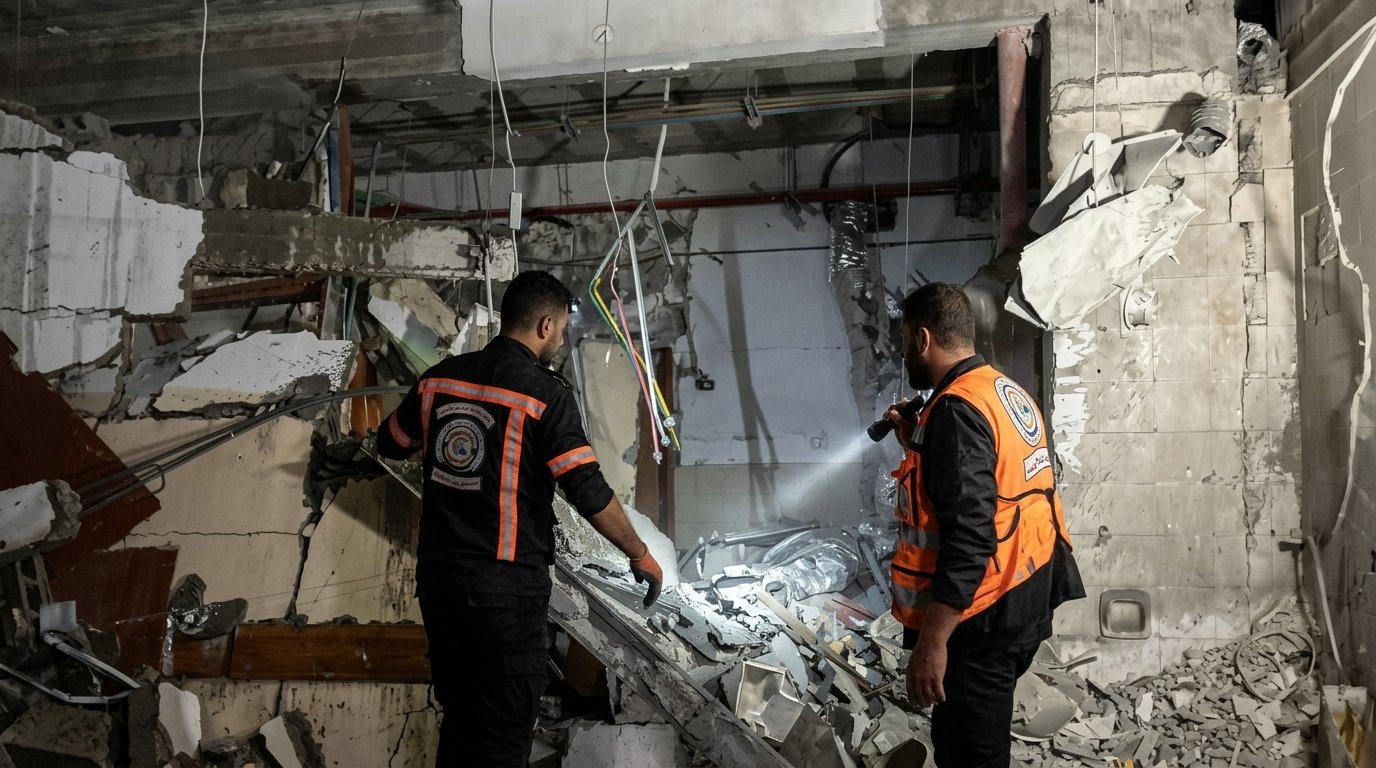
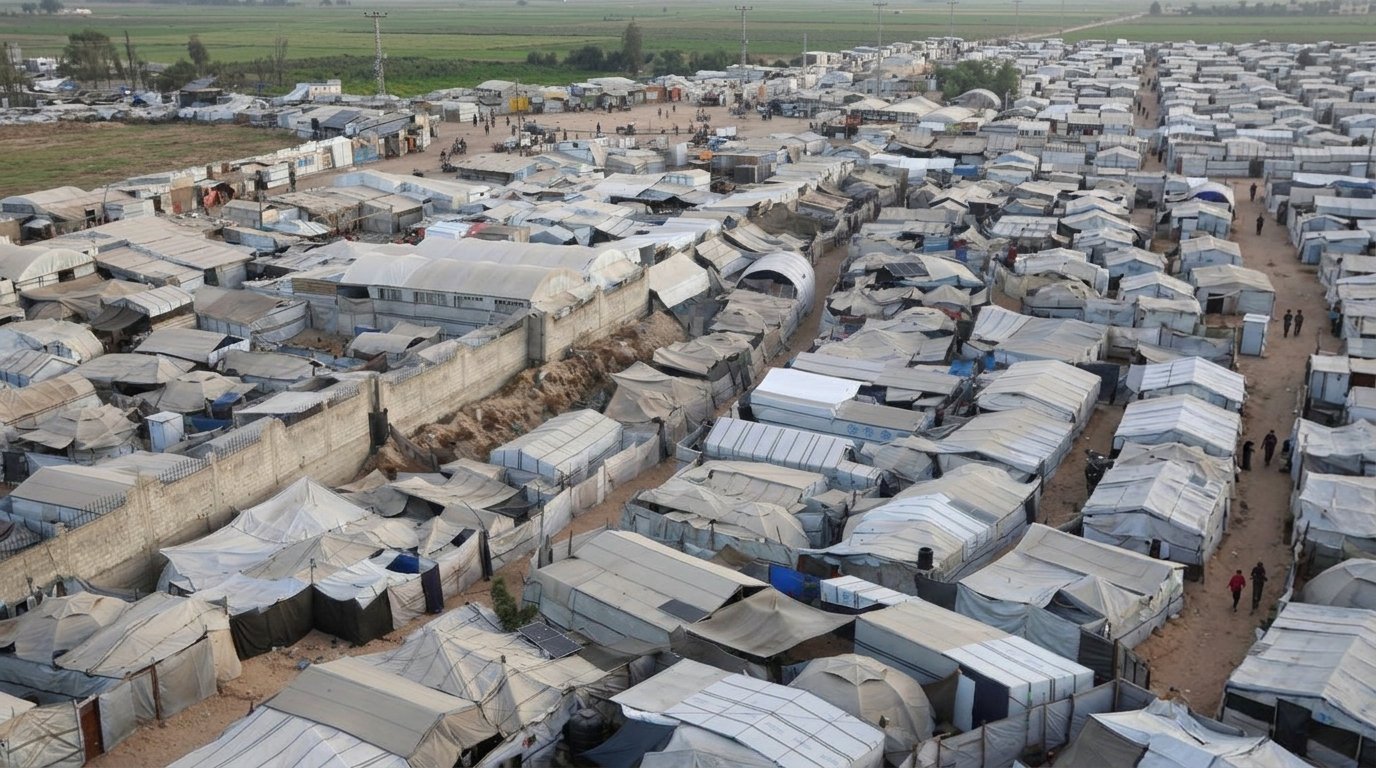
Officials from both the Israel Defense Forces and Hamas confirmed that Samir Abu Younis died during an aerial strike on a camp located in the Gaza Strip. BBC News reported that both opposing sides acknowledged the fatality, creating an unusual consensus regarding the outcome of the targeted military action.
Dual confirmation between combatants clarifies the battlefield situation immediately. When both military leadership and opposing armed wings acknowledge a commander's demise, outside observers gain verified intelligence without having to reconcile opposing battlefield casualty reports.
- Monitor verified bulletins: Track official military releases from both contending authorities to assess operational claims during high-intensity conflict zones.
What Tactical Impact Follows the Loss of the Rafah Brigade Commander?
The death of Samir Abu Younis removes the primary operational head of the Rafah Brigade, disrupting local command hierarchies. Neutralizing a brigade-level commander fractures unit coordination, interrupts defensive preparations, and forces subordinate fighters to reorganize communication channels during sustained defensive engagements across southern Gaza.
Field commanders direct troop movement, manage weapons caches, and execute tactical decisions under bombardment. When strike operations eliminate a brigade commander, the structural chain of command breaks down temporarily. Successors must re-establish contact with field cells under constant surveillance, which delays tactical redeployment.
- Assess command continuity: Evaluate how localized brigade structures reorganize leadership vacancies following the elimination of senior tactical officers.
Why Does Mutual Confirmation Matter in Modern Urban Warfare?
Mutual confirmation of a commander's death prevents conflicting narratives between warring parties and establishes operational accountability. When both the attacking military and the targeted organization substantiate the event, it eliminates information ambiguity, confirms the target's identity, and validates the tactical scope of the camp strike.
Information fog regularly distorts battlefield reporting during urban air operations. In our experience, conflicting casualty claims usually prolong public uncertainty. Clear mutual statements from the IDF and Hamas establish the facts on the ground, preventing prolonged speculation over whether targeted commanders survived.
- Cross-reference source statements: Compare simultaneous disclosures from official adversary channels before drawing conclusions on tactical military outcomes.
FAQ
Who was Samir Abu Younis in the Hamas organization?
Samir Abu Younis served as the commander of the Rafah Brigade within Hamas. In that role, he directed regional brigade operations, coordinated defensive positions, and oversaw military personnel within the southern district of the Gaza Strip until his death in the camp strike.
Which news outlet reported the death of the Rafah Brigade commander?
BBC News reported the death of Samir Abu Younis following statements from both Israeli and Hamas representatives. The British broadcaster confirmed that both the Israel Defense Forces and Hamas leadership acknowledged the lethal strike conducted against the Gaza camp.
Why did both sides confirm the outcome of the strike?
Both sides confirmed the outcome because the evidence left no operational doubt. For the Israeli military, confirming the death demonstrates tactical mission completion. For Hamas, acknowledging the loss of a brigade commander initiates immediate internal succession procedures and alerts affiliated units.
Independent verification remains critical when tracking military actions across Gaza and the broader region. As tactical operations shift command dynamics, official updates provide the baseline for strategic assessment. Stay informed with accurate, up-to-date global news coverage.
Sources
- Israel kills Hamas commander in strike on Gaza camp, officials say (BBC News): https://www.bbc.co.uk/news/articles/cqrkg4r6mg7xo?at_medium=RSS&at_campaign=rss